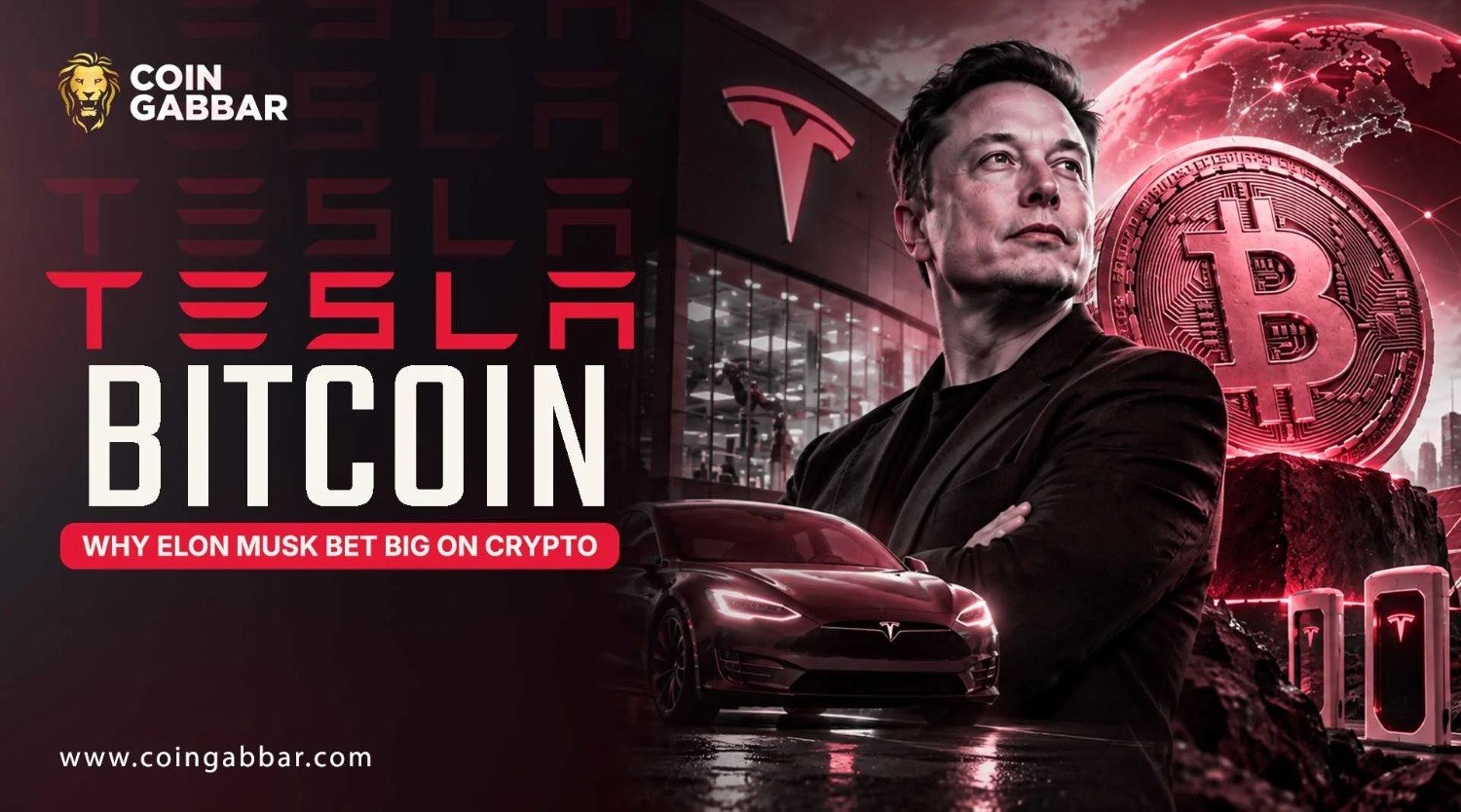
Tesla's Bitcoin Purchase: Why, How Much, and When It Happened Tesla Bitcoin currency is an online currency not owned by any financial institution or country. There is no corporation that regu
Tesla's Bitcoin Purchase: Why, How Much, and When It Happened
Tesla Bitcoin currency is an online currency not owned by any financial institution or country. There is no corporation that regulates this system. Bitcoin uses a technology called blockchain, which is basically an online public ledger used to record transactions.
Bitcoin started out as a weird internet experiment back in the day, but it's grown into something a lot of people now treat like digital gold. That backstory matters here, because it's the reason Tesla's Bitcoin move made so many headlines.
A car company putting money into something this new? That wasn't normal.
Key Takeaways
Tesla's Bitcoin holdings sit at 11,509 BTC right now, and that number hasn't budged since early 2025.
Tesla first bought Bitcoin back in February 2021, dropping about $1.5 billion to grab 43,200 BTC.
The company later sold off roughly 10% of that stash to see how easily it could turn coins into cash, then cut about 75% more in 2022 when things got financially tight.
Tesla's Bitcoin is worth somewhere between $825 million and $900 million these days, depending on where the market's at, and Tesla has to report the gains or losses every quarter.
Even with all the price swings, Tesla's basically just been sitting on what it's got rather than trading it.
What Is Tesla Bitcoin?
"Tesla Bitcoin" simply refers to the crypto Tesla keeps on its books, separate from the cash and investments it uses to actually run the company.
Tesla's Bitcoin bet was one of the first times a big public company treated Bitcoin like a real treasury asset instead of just a gamble.
It put Tesla in a small club of corporations willing to hold something this volatile as part of their long-term financial plans, and honestly, it got people talking investors, analysts, and everyone.
Why Did Elon Musk Bet Big On Crypto?
Elon Musk has always been drawn to tech that shakes up the old way of doing things, and Bitcoin fit right into that. He saw it as a way to protect Tesla's cash from inflation and as a smarter option than just letting money sit around doing nothing.
Back when Tesla made the purchase, interest rates were low and inflation worries were climbing, so Tesla's Bitcoin buy actually made a lot of sense at the time.
Musk personal excitement about crypto, plus his belief that Bitcoin could help push digital currencies into the mainstream, pushed Tesla toward a decision most car companies wouldn't have touched.
Tesla's Bitcoin Holding Strategy
Tesla's crypto game plan has changed a lot over the years; it went from active buying and selling to just holding steady. Here's how Tesla Bitcoin strategy actually played out, step by step:
Buy in big. Tesla didn't ease into Bitcoin slowly. It bought a large chunk all at once.
Test the waters. Not long after, Tesla sold a small piece of its stash just to prove the coins could be turned into cash without any hassle.
Pull back when things get shaky. In 2022, with the economy looking uncertain, Tesla sold off a big portion of what was left to shore up its cash.
Settle into a steady number. After that selling, Tesla's Bitcoin balance landed at 11,509 coins, and it's stayed right there for years.
Track the value every quarter. Tesla now has to mark its Bitcoin to market each quarter, meaning gains and losses show up in its earnings whether it likes it or not.
Ride out the ups and downs. Even through some rough price drops, Tesla hasn't sold another coin.
Put it all together, and it looks like Tesla sees its remaining Bitcoin as something to hold onto for the long haul, not something to flip for quick profit.
Tesla's Bitcoin Purchase: Why, How Much, And When It Happened
Looking at the full timeline of Tesla Bitcoin moves makes it easier to see how the company ended up where it is today. Back in February 2021, Tesla bought 43,200 BTC for about $1.5 billion, a move that caught both the auto industry and the crypto world off guard.
About a month later, it sold around 4,320 BTC, roughly 10% of the pile, mostly to show the market that Bitcoin could be cashed out easily if needed. Then came Q2 2022, when broader economic pressure led Tesla to sell nearly 75% of what remained, dropping its total down to about 9,720 BTC.
A small top-up in January 2025 brought the count to its current 11,509 BTC, and it hasn't moved since. So the pattern's pretty clear: Tesla went in bold at first, then settled into something much more cautious.
Tesla Bitcoin Strategy: Should They Buy Or Sell?
Whether Tesla should buy more Bitcoin or cash out what it's got is still a debate investors love to have.
Those in favor of holding point out that Tesla's Bitcoin position is still worth more than what the company originally paid for it, so it's technically sitting on a profit even after recent dips.
They'll also tell you the quarterly ups and downs, while annoying to watch, don't actually touch Tesla's core car and energy business. On the flip side, critics argue that holding something this volatile just adds unnecessary risk to Tesla's earnings and pulls attention away from what Tesla's actually supposed to be doing building cars and energy products.
Some think Tesla should sell a chunk to lock in gains, while others believe it should quietly buy more now that institutions are getting interested in crypto again.
For now, though, Tesla seems happy to just sit tight, not buying, not selling, treating Bitcoin more like a long-term reserve than something to actively trade.
Conclusion
It is possible to learn much about how businesses are adapting to the world of digital transactions from Tesla's history with Bitcoin. What began as a bold decision in 2021 to make news headlines has become a strategy of retaining a stake in Bitcoin that no one predicted for a business like Tesla.
Whatever path Tesla will take in regard to Bitcoin, whether it buys or sells or does nothing at all, this will remain a very popular example.
Disclaimer
This article is for informational purposes only and should not be taken as financial or investment advice. Bitcoin and other cryptocurrencies are highly volatile, and readers should do their own research or consult a qualified financial advisor before making any investment decisions.