Tether and Circle have reportedly frozen approximately $2.39 billion in stablecoin holdings tied to a suspected hack, while Binance is investigating a potential security issue connected to a
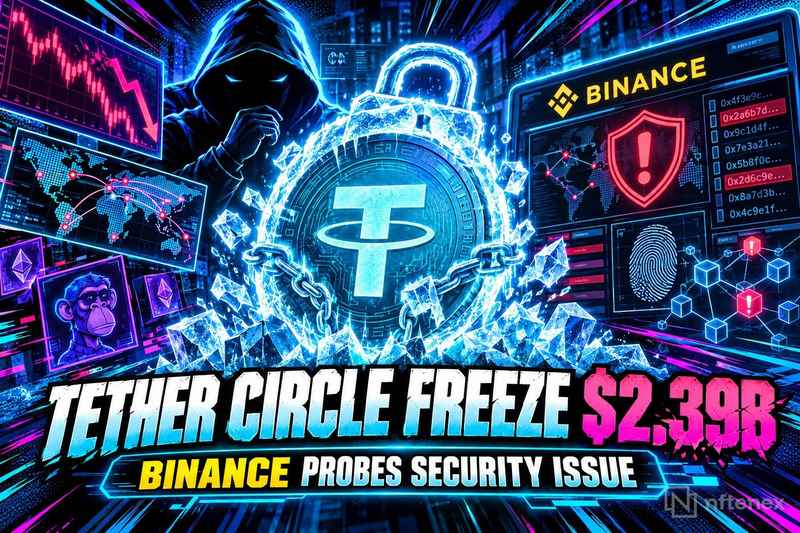
Tether and Circle have reportedly frozen approximately $2.39 billion in stablecoin holdings tied to a suspected hack, while Binance is investigating a potential security issue connected to a Tornado Cash-linked wallet. The actions mark one of the largest coordinated stablecoin freezes on record, though key details including confirmed attribution, the scope of any breach, and affected user accounts remain unresolved as of publication.
What Tether, Circle, and Binance Are Reportedly Doing
The Reported Stablecoin Freezes
Tether, issuer of USDT, and Circle, issuer of USDC, both possess the technical ability to blacklist wallet addresses and freeze token balances at the smart contract level. In this case, the two issuers reportedly acted on approximately $2.39 billion in combined stablecoin balances believed to be connected to the suspected incident. This type of freeze renders tokens non-transferable without reversing the blacklist entry, effectively immobilizing the funds. For related coverage, see Cyber Revolution Summit – Singapore 2026.
Tether has used its blacklisting mechanism in prior incidents involving exchange outflows, including cases where USDT wallets were blacklisted following suspicious CoinDCX outflows. The scale of the current reported freeze, however, is substantially larger than those earlier actions. Context on this theme: Artificial intelligence summit –Indonesia 2026.
Binance's Security Probe
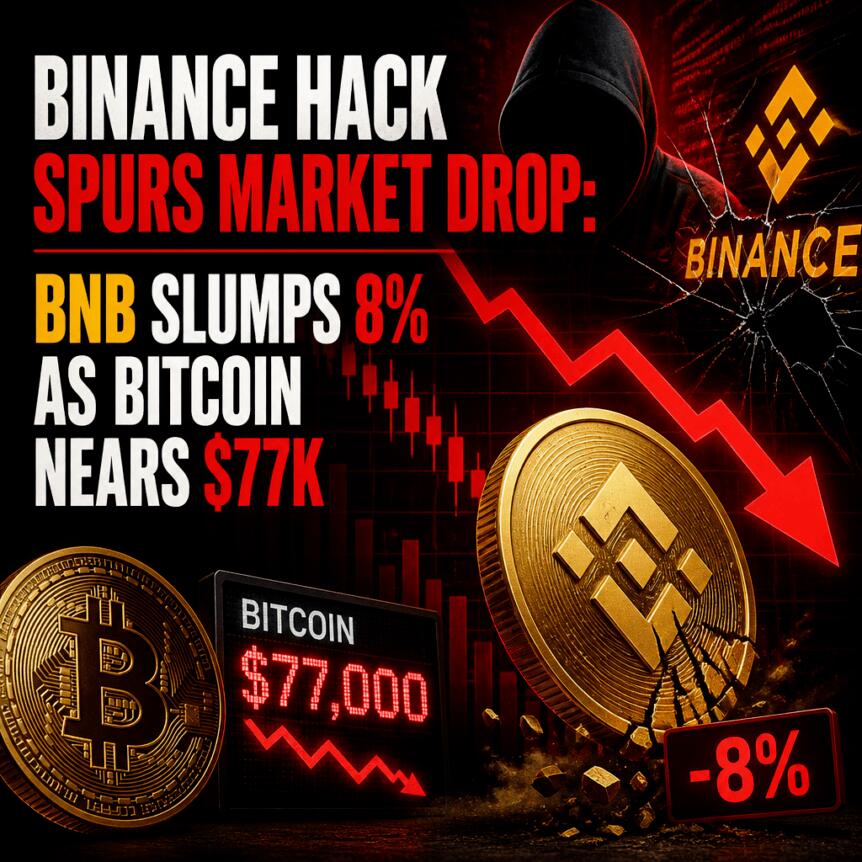
Binance is separately reported to be probing a potential security issue after on-chain watchers flagged activity consistent with a Binance hot wallet being drained by a wallet with links to Tornado Cash, according to CryptoSlate reporting. Tornado Cash is a crypto mixing protocol that obscures the origin and destination of on-chain transfers, and its involvement in a transaction trail is a standard indicator investigators use when tracing suspected theft proceeds. More on this in Top 5 Telegram Trading Bots for Sniping Meme Coins in 2026.
It is important to distinguish between the two parallel developments. The stablecoin freeze by Tether and Circle is a proactive asset-protection measure. Binance's investigation is a separate inquiry into whether the exchange itself experienced a security event. Neither action, as currently reported, confirms the other. Background reading: Why Is Dash (DASH) Price Down Today? | DASH Market Update.
What Remains Unknown in the Suspected Hack
Confirmation, Scope, and Attribution
The incident is described as a suspected hack, and Binance's issue is described as potential. No official confirmation of a breach has been published, no attacker has been identified, and no losses have been formally quantified. The $2.39 billion figure refers to the volume of stablecoins reportedly frozen, not a confirmed theft amount, and the two numbers should not be treated as equivalent.
On-chain analysis can flag suspicious wallet movements and trace fund flows through mixers, but it cannot independently confirm that a given exchange was compromised. Attribution in crypto security incidents typically requires forensic investigation that extends well beyond the initial on-chain signals, and conclusions reached too early in that process have previously proven inaccurate.
Updates on Frozen Funds and Any Customer Impact
Whether any Binance customers have been directly affected, whether withdrawals have been restricted, and whether the exchange has issued guidance to users are all open questions at the time of publication. Frozen stablecoins in wallets not belonging to actual hack victims could complicate recovery if the freeze was applied broadly across connected addresses rather than narrowly to confirmed bad actors.
The security community has grown increasingly attentive to large-scale freeze actions as a double-edged tool: effective at halting fund movement, but potentially disruptive when applied at scale to wallets that may include legitimate participants caught in the blast radius of a wide blacklist. Observers tracking this incident should watch for official statements from Binance, Tether, and Circle, as those disclosures will form the appropriate basis for any further conclusions about scope and impact.
Readers interested in the broader infrastructure dynamics around exchange security and digital asset protection may also find context in coverage of the Cyber Revolution Summit in Singapore, where on-chain security tooling and stablecoin governance have been active discussion topics among protocol teams.
Until official statements from the parties involved confirm the nature, size, and origin of the incident, the $2.39 billion figure and the Binance probe should be treated as reported, not verified. The mechanisms invoked, stablecoin blacklisting and exchange-level security investigation, are real and documented tools, but the underlying facts that triggered them remain under active investigation.
Additional source references: source document 1.
Disclaimer: This article is for informational purposes only and does not constitute financial or investment advice. Cryptocurrency and digital asset markets carry significant risk. Always do your own research before making decisions.
Read original article on nftenex.com