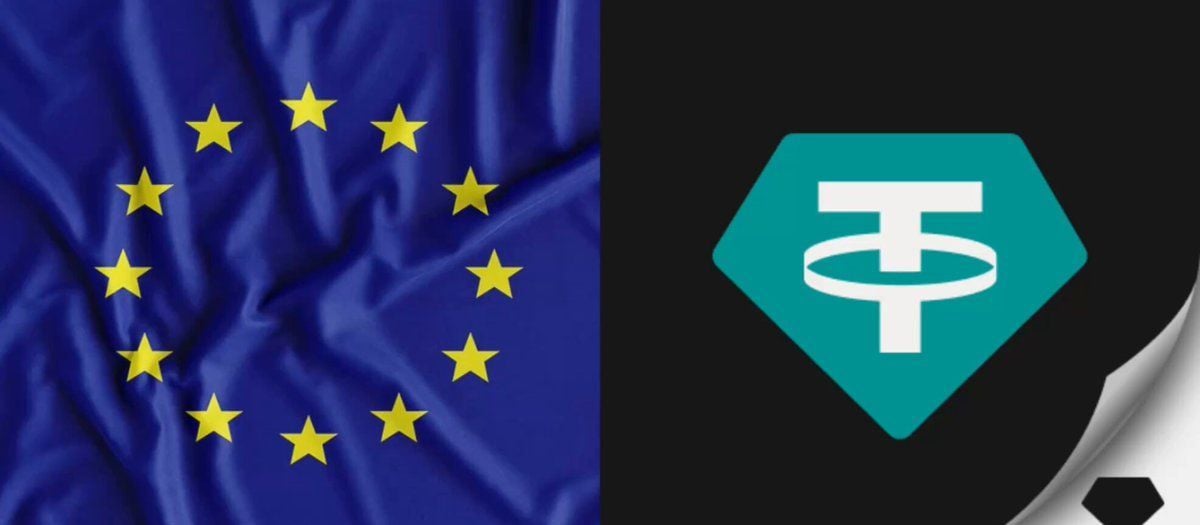
ESMA Sets Hard Deadline for Non-Compliant Stablecoins Europe's top securities regulator has drawn a firm line on non-compliant stablecoins. The European Securities and Markets Authority (ESMA
ESMA Sets Hard Deadline for Non-Compliant Stablecoins
Europe's top securities regulator has drawn a firm line on non-compliant stablecoins. The European Securities and Markets Authority (ESMA) issued an opinion on October 8 requiring EU crypto service providers under MiCA to clear remaining exposure to non-compliant stablecoins within three months, with a final deadline of January 8, 2027.
National regulators are expected to require crypto-asset service providers authorised under MiCA to stop offering services involving non-compliant stablecoins. The guidance applies to trading platforms, exchange services, order execution, custody, transfers, investment advice, and portfolio management.
ESMA requires firms to implement technical, contractual, and organisational measures to prevent EU clients from accessing or increasing exposure to unauthorised stablecoins. The directive affects more than 240 crypto-asset service providers (CASPs) currently operating under MiCA authorisation.
Limited services, such as transfers and settlements, may still be permitted under strict supervision to allow clients to exit existing positions in an orderly manner.
Tether's USDT Squarely in the Crosshairs
The stablecoin most exposed to this ruling is @Tether's $USDT. Despite commanding a global circulating supply of around $184 billion, Tether has not been authorised as an e-money token issuer in the EU and USDT has no notified MiCA white paper, so it does not appear in the ESMA register.
Tether never applied for e-money token authorisation, objecting to MiCA's rule requiring 60% of reserves in EU bank deposits.Tether has been delisted from major EU-regulated venues including Coinbase, Kraken, Bitstamp, Crypto.com, and Binance for EEA users.
During the wind-down window, firms can still offer a limited menu of services including sell-only orders, conversions into other assets, withdrawals and transfers, and safekeeping of existing holdings. Individual holders are not being told to dump their tokens, since the restrictions apply to services provided by regulated platforms rather than to private ownership. Holding USDT in a private wallet is not illegal for individuals, but on the EU's regulated market users will mostly see MiCA-compliant alternatives such as USDC or EURC.
Circle secured MiCA compliance for both USDC and EURC, making it the only issuer among the top ten stablecoins by market cap to clear that bar. The company built toward this deadline for years, licensing an electronic money institution in France that passports across all 27 EU member states.
With the January 8, 2027 deadline approaching and Tether showing no sign of pursuing an EU licence, the pressure on European platforms to fully sever ties with $USDT is only set to intensify.
Sources:Crypto Briefing: EU regulator sets January 2027 deadline for crypto firms to drop Tether's USDTCASP Tracker: MiCA stablecoin list 2026, all e-money tokens in the ESMA registerToken Post: ESMA Urges EU Crypto Firms to Address Noncompliant Stablecoin Exposure by Jan. 8, 2027