BitcoinWorld Texas residents lost $56.8 million to crypto ATM scams in the past year, report says Texas residents lost a combined $56.8 million to cryptocurrency ATM scams over the past year,
BitcoinWorld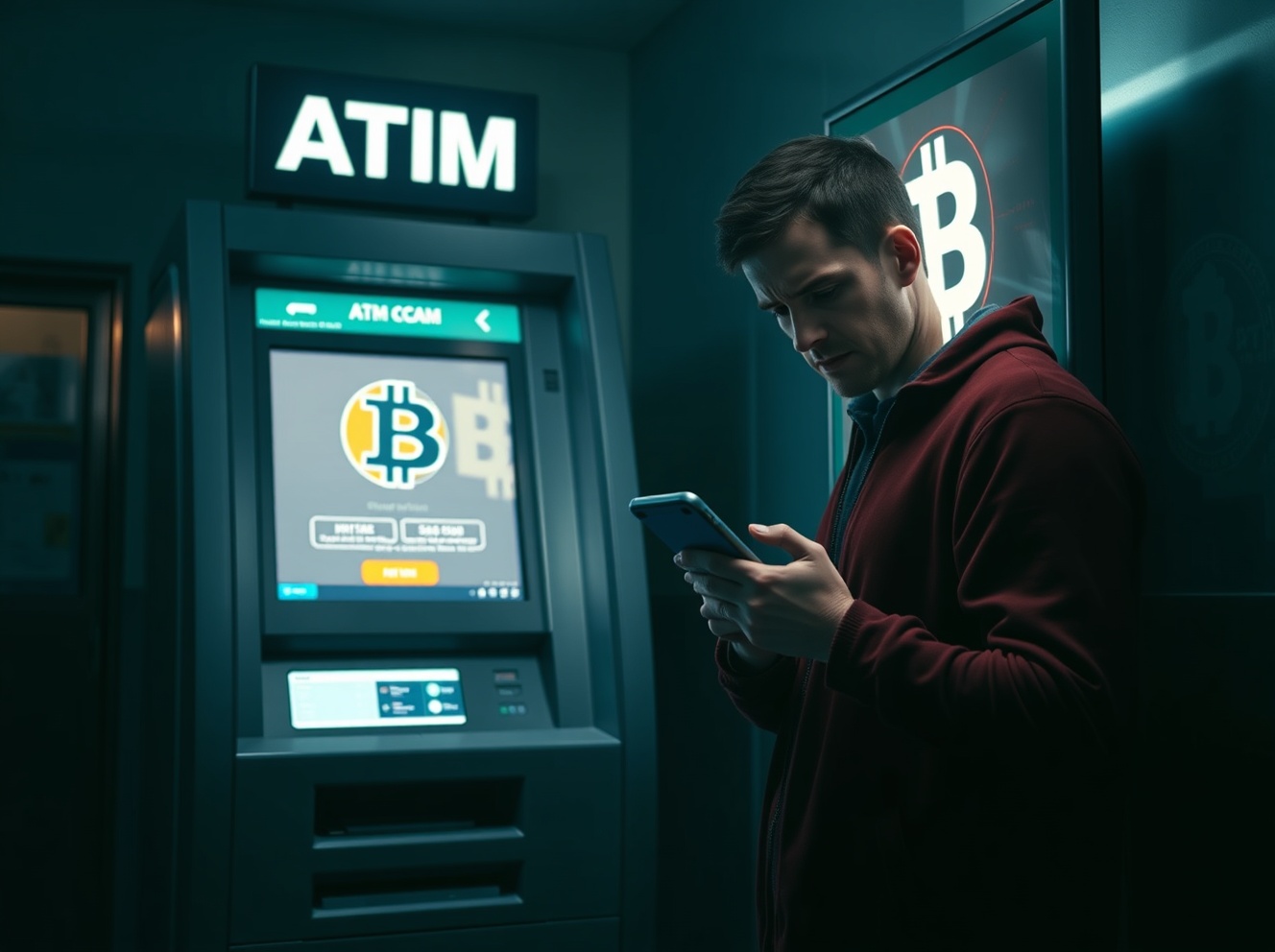 Texas residents lost $56.8 million to crypto ATM scams in the past year, report says
Texas residents lost a combined $56.8 million to cryptocurrency ATM scams over the past year, according to a new report from Cryptopolitan. The scams have affected an estimated 1,200 individuals across the state, with fraudsters increasingly targeting older adults and those unfamiliar with digital currencies.
How the scams work
The scheme typically begins with a phone call. The scammer impersonates a government official — often from the IRS, Social Security Administration, or a local law enforcement agency — or a corporate employee from a well-known company. The caller falsely claims the victim is in legal trouble, owes back taxes, or has an urgent account issue. The victim is then instructed to withdraw cash, go to a cryptocurrency ATM, convert the cash into Bitcoin or another digital currency, and send it to a designated wallet address.
These transactions are nearly impossible to reverse. Unlike bank transfers or credit card payments, cryptocurrency transactions do not have a central authority that can freeze funds or issue chargebacks. Once the money is sent, it is gone.
Why Texas is a hotspot
Texas has seen a rapid proliferation of cryptocurrency ATMs in recent years, with thousands of machines now operating across the state. While many are legitimate, the sheer density of machines provides scammers with more opportunities to direct victims to a nearby kiosk. The state’s large geographic size and aging population also contribute to higher vulnerability, as older residents may be less familiar with how cryptocurrency works and more likely to trust authority figures on the phone.
What authorities are doing
Law enforcement agencies, including the Texas Department of Banking and the FBI’s Houston field office, have issued public warnings about these scams. Some local police departments have begun placing warning stickers on crypto ATMs and training officers to recognize signs of a scam in progress. However, enforcement remains difficult because many scammers operate from overseas call centers, and cryptocurrency wallets can be difficult to trace.
Consumer advocates are urging the state to require clearer disclosures on crypto ATM screens and to mandate transaction limits for first-time users. Similar measures have been proposed in California and New York.
How to protect yourself
Officials emphasize that no legitimate government agency or company will ever demand payment via cryptocurrency. Anyone who receives such a call should hang up immediately and report the incident to local law enforcement or the Federal Trade Commission (FTC). If you or a family member have already fallen victim, contact your bank and file a report with the FBI’s Internet Crime Complaint Center (IC3).
Conclusion
The $56.8 million in losses reported in Texas highlights a growing national problem. As cryptocurrency becomes more mainstream, scammers are adapting their tactics to exploit its irreversibility and anonymity. Public awareness and stronger regulatory oversight are essential to curbing this trend and protecting consumers from financial harm.
FAQs
Q1: What should I do if I receive a call demanding cryptocurrency payment?Hang up immediately. Do not engage with the caller. Report the incident to the FTC at ReportFraud.ftc.gov and to your local police department.
Q2: Can I get my money back if I sent cryptocurrency to a scammer?In most cases, no. Cryptocurrency transactions are irreversible. However, reporting the scam quickly may help authorities track the wallet and prevent further losses.
Q3: Are cryptocurrency ATMs legal in Texas?Yes, they are legal, but operators must register with the Texas Department of Banking. The state has been increasing oversight of these machines in response to rising scam reports.
This post Texas residents lost $56.8 million to crypto ATM scams in the past year, report says first appeared on BitcoinWorld.