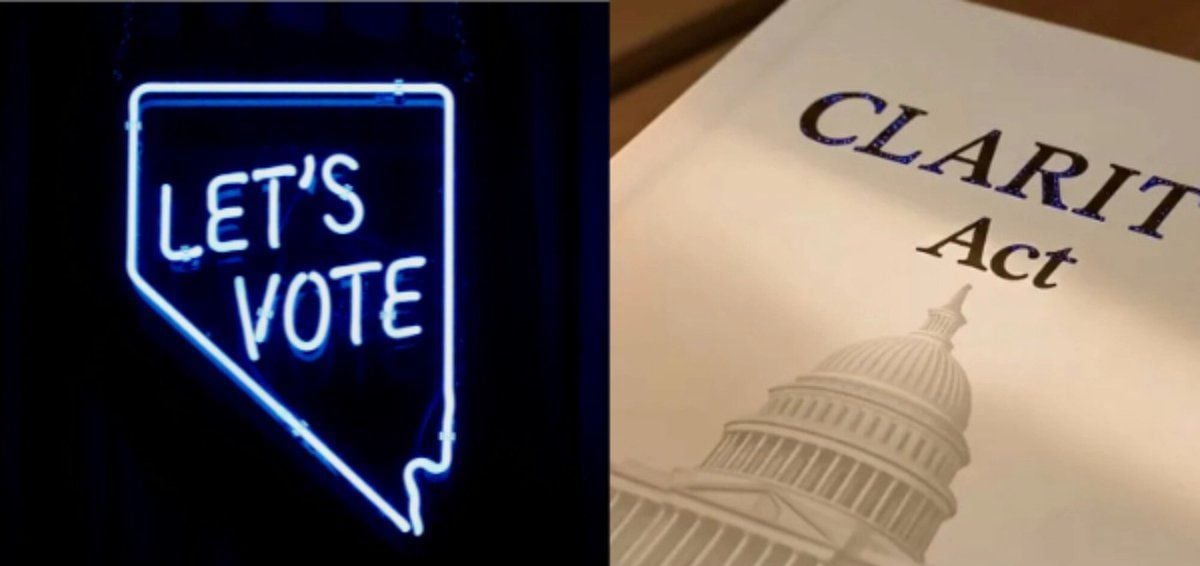
@DigitalChamber has launched a public grassroots campaign urging Americans to contact their senators and vote yes on the CLARITY Act, framing the legislation as a choice between keeping digit
@DigitalChamber has launched a public grassroots campaign urging Americans to contact their senators and vote yes on the CLARITY Act, framing the legislation as a choice between keeping digital asset innovation in the United States or watching it migrate offshore.
A Narrow Window for Senate Passage
The push comes at a critical moment. @CodyCarboneDC has said a deal on the bill's outstanding provisions likely needs to happen before it goes to the Senate floor, as lawmakers will only bring it to a vote once they feel confident they have 60 votes, adding that the vote likely needs to happen by August, matching a similar assertion from Democratic Senator Kirsten Gillibrand.The Senate has a limited amount of time left on its legislative calendar before lawmakers disperse for the summer and the 2026 midterm elections, and the process cannot afford major further delays if it is to be finished this year.
The CLARITY Act cleared a key hurdle in mid-May when the Senate Banking Committee approved it in a 15-9 vote, making it the first wide-ranging piece of legislation pertaining to the digital asset industry to reach that stage.The measure still has a long way to go before becoming law, given both powerful opposition and the fact that it would need to clear the full Senate as well as the House before heading to President Donald Trump's desk.
Ethics Provisions Remain the Live Sticking Point
The bill's chances to become law still depend on further negotiations over preventing the abuse of crypto and DeFi technology in financial crimes, and the establishment of a government-ethics provision meant to limit the involvement of government officials in the crypto industry. White House adviser Patrick Witt has signaled that Trump will not accept ethics provisions that target the President specifically, leaving that clause as the primary open negotiating point.
A Democrat-driven section banning government officials from personal business interests in crypto is an effort targeted primarily at Trump and his family, who are heavily engaged in the industry.During committee hearings, both Republicans and Democrats committed to continuing to work through areas of disagreement, including how best to ensure bad actors using digital assets can be caught and how to address ethics concerns around elected officials profiting from crypto.
Proponents of the bill argue the Digital Asset Market Clarity Act marks a major step toward establishing the United States as the crypto capital of the world by balancing innovation with strong investor protections and tough law enforcement tools. Opponents, including Senator Elizabeth Warren, have argued the bill is not ready and that unresolved law enforcement issues remain. Analysts at crypto investment firm Galaxy estimated the odds of the CLARITY Act being signed into law in 2026 at roughly 50-50, citing the sheer number of unresolved questions that must be settled in sequence under severe time pressure.
For the Digital Chamber and the broader industry, the legislative clock is now the central concern. The August deadline is firm, and the public campaign is a direct attempt to build the Senate majority needed to clear it.
Sources:CNBC: Crypto industry scores win as Clarity Act clears Senate committeeCoinDesk: Clarity Act clears U.S. Senate committeeU.S. Senate Banking Committee: The Facts on the CLARITY Act