The Dollar Still Rules the World. But Challenges Are Growing.
The U.S. dollar remains the dominant global reserve currency, but growing interest in alternative payment systems, gold accumulation, and BRICS initiatives is creating new questions about the future of the international financial system.
A
AnonymousCryptoCompass newsroom
June 5, 2026
7 min read
ANALYSIS
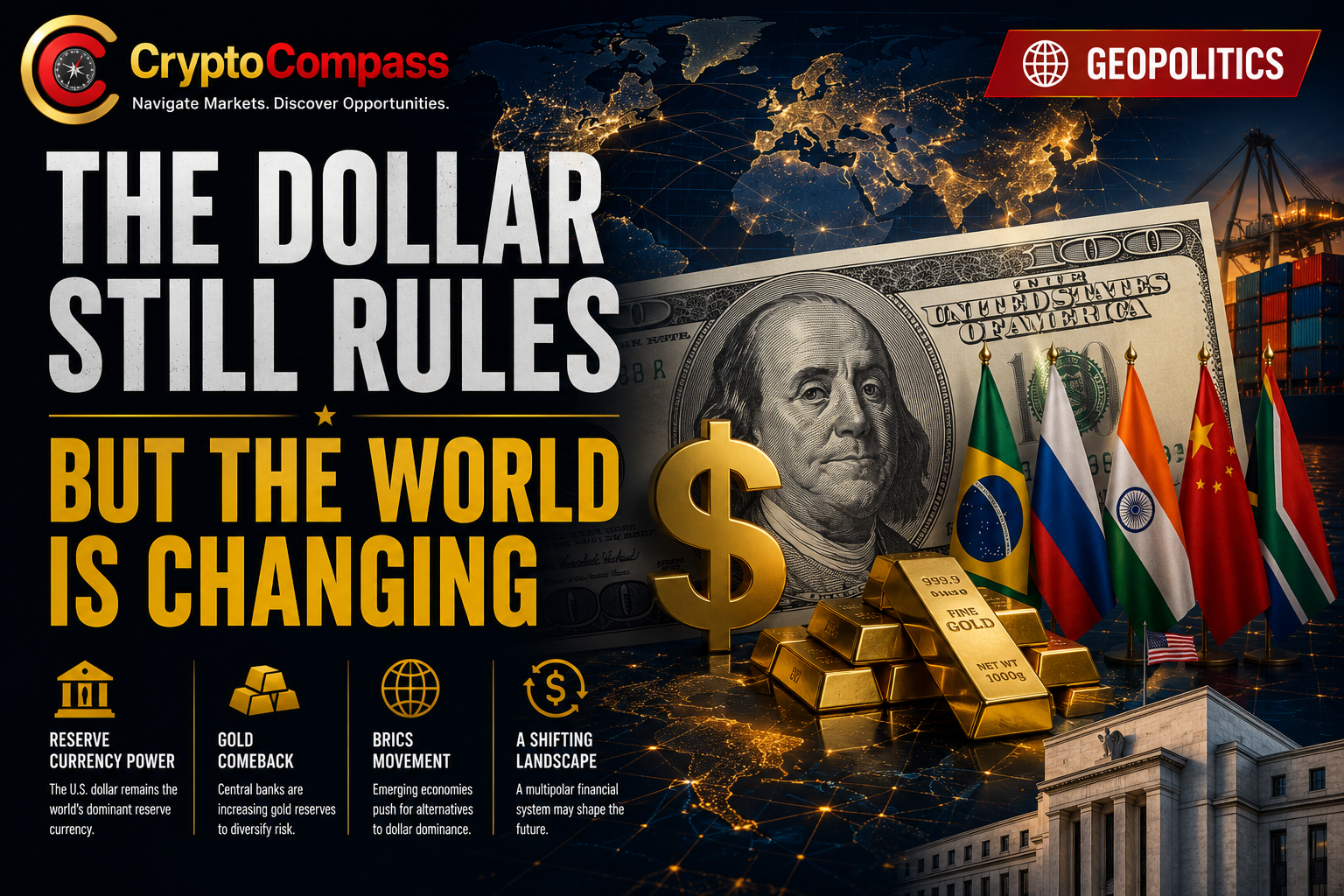
CryptoCompass editorial visual for policy coverage.
The Dollar Still Rules the World. But Challenges Are Growing.
The World's Most Important Currency
The U.S. dollar remains the foundation of the global financial system.
It dominates international trade.
It dominates global reserves.
It dominates cross-border payments.
For decades, the dollar's position has given the United States extraordinary influence over global finance.
Yet conversations about alternatives are becoming more common.
From BRICS discussions to growing central bank gold purchases, governments are increasingly exploring ways to diversify financial exposure.
Why the Dollar Became Dominant
The dollar's position was not created overnight.
It emerged through a combination of economic strength, deep capital markets, military influence, and trust in American institutions.
Today, U.S. Treasury markets remain among the largest and most liquid financial markets in the world.
This liquidity continues to attract investors, governments, and institutions.
The Rise of Alternative Systems
Recent years have seen increasing discussion around alternatives to dollar-based settlement systems.
Some countries are experimenting with local-currency trade agreements.
Others are increasing gold reserves.
BRICS members have also explored mechanisms designed to reduce dependence on the dollar for certain transactions.
These efforts remain relatively small compared to the scale of the global dollar system.
However, they reflect a broader trend toward diversification.
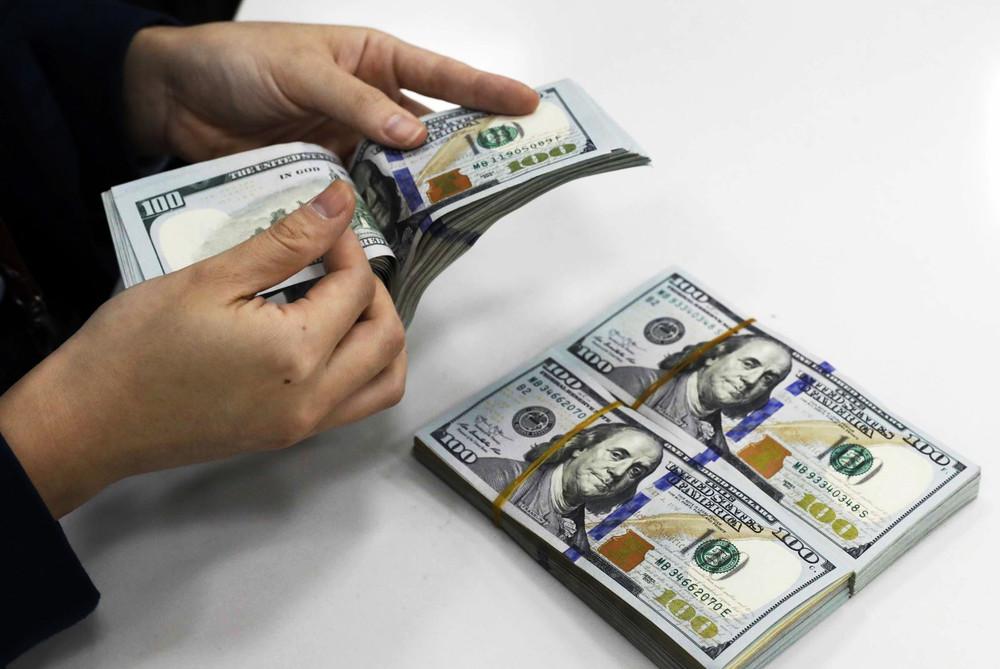
The U.S. dollar remains the dominant currency for global trade, reserves, and international finance.Source: Reuters
Why Gold Is Back in Focus
One of the most important developments has been the growing interest in gold among central banks.
Gold offers a reserve asset that operates outside traditional currency systems.
As geopolitical uncertainty increases, many countries view gold as a strategic diversification tool.
This trend does not necessarily signal the end of dollar dominance.
But it does suggest that reserve management strategies are evolving.
Why Investors Should Care
Changes in the international monetary system can influence:
Interest rates
Capital flows
Commodity prices
Emerging markets
Bitcoin and digital assets
Even small shifts in reserve allocation can have significant long-term implications.
Understanding these developments helps investors place daily market headlines into a broader context.
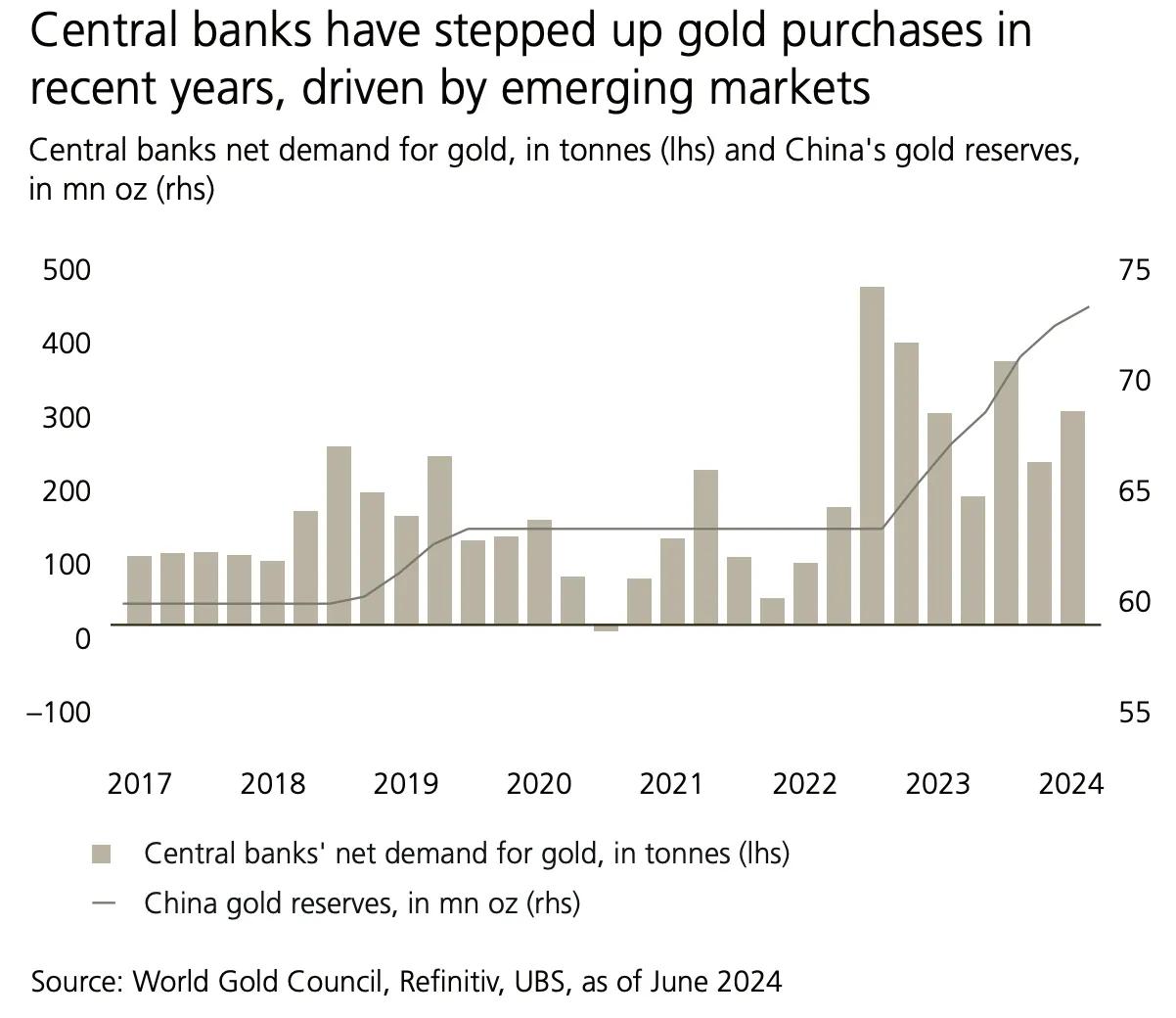
Central banks have increased gold purchases as part of broader reserve diversification strategies.
Looking Ahead
Predictions of the dollar's collapse have appeared for decades.
Most have been wrong.
The more realistic question is not whether the dollar disappears.
It is whether the global financial system gradually becomes more diversified.
That process, if it continues, could reshape trade, investment, and geopolitical relationships over the coming decades.
CryptoCompass View
The dollar remains the world's financial anchor.
But markets are increasingly paying attention to what comes next.
Investors who understand reserve currencies, gold, and global capital flows may be better positioned to navigate future market shifts.
Navigate Markets. Discover Opportunities.
Frequently Asked Questions
Is the U.S. dollar losing reserve currency status?
Not currently. The dollar remains dominant, though diversification efforts are increasing.
Why are central banks buying gold?
Gold provides reserve diversification and is viewed as a neutral asset outside traditional currency systems.
What is BRICS trying to achieve?
Some BRICS members are exploring ways to increase trade settlement in local currencies and reduce dependence on the dollar.
Why does this matter for Bitcoin?
Changes in global reserve strategies and monetary systems can influence investor demand for alternative stores of value.
What should investors watch?
Central bank reserve trends, gold purchases, trade settlement agreements, and developments within BRICS economies.
XRP may already be setting up for its next major move regardless of whether Congress advances the CLARITY Act, according to crypto analyst Dark Defender. In a Sept. 7 post, the analyst said X
Uzbekistan has launched a pilot to test payments with a som-pegged stablecoin backed by government securities. On Monday, the National Agency for Prospective Projects (NAPP) said it had regis
Hanwha Investment & Securities has completed a tokenized-securities platform that supports Avalanche and Hyperledger Besu, positioning the brokerage for South Korea’s planned legal recognitio