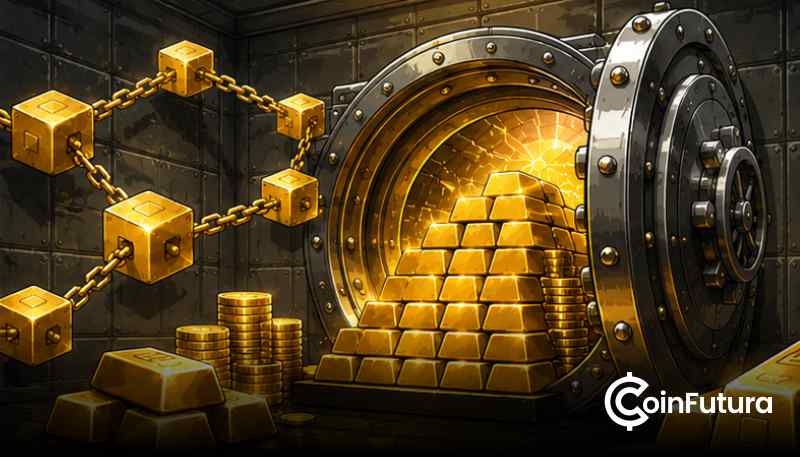
Digital vaults are making an impact in the precious metals investing space, with physical bullion still playing a pivotal role in the model. These platforms tie online accounts to gold or sil
Digital vaults are making an impact in the precious metals investing space, with physical bullion still playing a pivotal role in the model. These platforms tie online accounts to gold or silver held by a professional custodian all over the world. So, they're a mix of traditional ownership and quicker access, smaller deals, and more up to date digital account tools.
Digital Ownership and Secure Custody
Digital vaults bind the customer's balances with metal in secured vault facilities. Each provider, however, can assign the ownership, pool it, tokenize it, or have it structured in other ways. Thus, it is important for investors to know what legal rights they have, and who is in control of the real bullion.
Security of storage is important because online storage continues to rely on physical metal securely stored. Reputable services can be ensured by employing insured vaults, independent audits and trusted global custody partners. However, there are differences in the limits of coverage, storage, audit frequencies, and legal coverage between insurance providers.
Several platforms also provide direct redemption, allowing customers to get a physical delivery of their metal. The cost may be high, though, because of minimum quantities, fabrication fees, shipping and taxes. Therefore, investors should check the redemption policies and custodial contracts prior to investing.
Fractional Access and Digital Liquidity
Fractional ownership is a more affordable option as it allows investors to buy a share of the bar rather than the whole one. Platforms can accommodate larger bullion pieces, and process orders via digital systems, noting each customer's portion. That means that people with lower budgets can invest in precious metals.
Digital dashboards can also make the purchase and sale quicker than many of the processes of traditional dealers. Some platforms offer live prices, instant conversion from metals to cash and constant access. Settlement, bank transfers and withdrawals may still be on a regular financial cycle, however.
The transparency of pricing will allow investors to compare spot prices, premiums, spreads, storage costs and transaction fees. Also, regular purchase plans can help with a slow and steady build-up strategy via regular investments. Regardless, there are no ways to eliminate the price volatility, market losses, or continual fees associated with the platform.
Blockchain, Tokenization, and Traceability
Blockchain technology can be used to create an interest in real bullion and to facilitate tracking of such interest transfers. Tokenization can split the metal that is stored into smaller digital pieces that are attached to physical metal reserves. Thus, these can aid fractional possession and offer better records of transactions.
When records are available to trace metals through markets, blockchain can help to enhance supply chain visibility. These records can include information on sourcing, refining, transfers and changes of ownership. But only if information goes into the system and is accurate, are digital records reliable.

New tracking systems could be able to create tracking identifiers right into gold or silver rather than certificates. These markers may retain the information of origin, purity, processing, and recycling. As a result, bullion could be augmented with a verifiable data layer that provides enhanced authentication and traceability.
Digital vaults are now finally becoming part of precious metal platforms that also offer other assets. Some services feature metals alongside cryptocurrencies, and others have plans to have access to stocks and funds. This allows investors to control various asset classes from a single digital platform.
Self-directed retirement plans also illustrate ways in which vaulted metals can be part of long term investment strategies. The user can change allocations without reaching the various dealers, custodians and account administrators. Retirement regulations, taxes, assets allowed and custody rules, however, differ from state to state.
Digital wallets may also eventually merge crypto tokens, cash balances, and other tokenized assets and metals into one. This architecture could make it easier for users to report, monitor their portfolios, transfer, and change allocations. But convenience does not eliminate custody risk, technology failures, cyber risk and counterparty risk.
Risks and the Future of Digital Vaults
Digital vaults don't remove the everyday threats associated with valuable materials investing. There is a risk of falling gold and silver prices, and spreads, storage fees and charges can eat into returns. The other concern is provider risk, since possession of the underlying assets and digital records is dependent on third-parties.
Regulation is important because there are many different types of ownership structures that can be applied to digital metal products. Services may be either direct bullion claims or contractual or tokenized exposure. Therefore, users should examine audits, custody agreements, redemption rights, insurance, and legal protections.
Future platforms will probably focus more on verifying, creating more of a unified portfolio, making trading easier and improving record keeping. Blockchain could help to increase transparency, but standards and regulations must be embraced. However, digital vaults will only gain market acceptance if they can be trusted, made fair and transparent in price and ownership, and provided for trustworthy custody.
The post The Future of Digital Vaults for Precious Metals appears on Coin Futura. Visit our website to read more interesting articles about cryptocurrency, blockchain technology, and digital assets.