The House of Lords began debating the Representation of the People Bill on September 14, picking up legislation that would, among other things, impose a full ban on cryptocurrency donations t
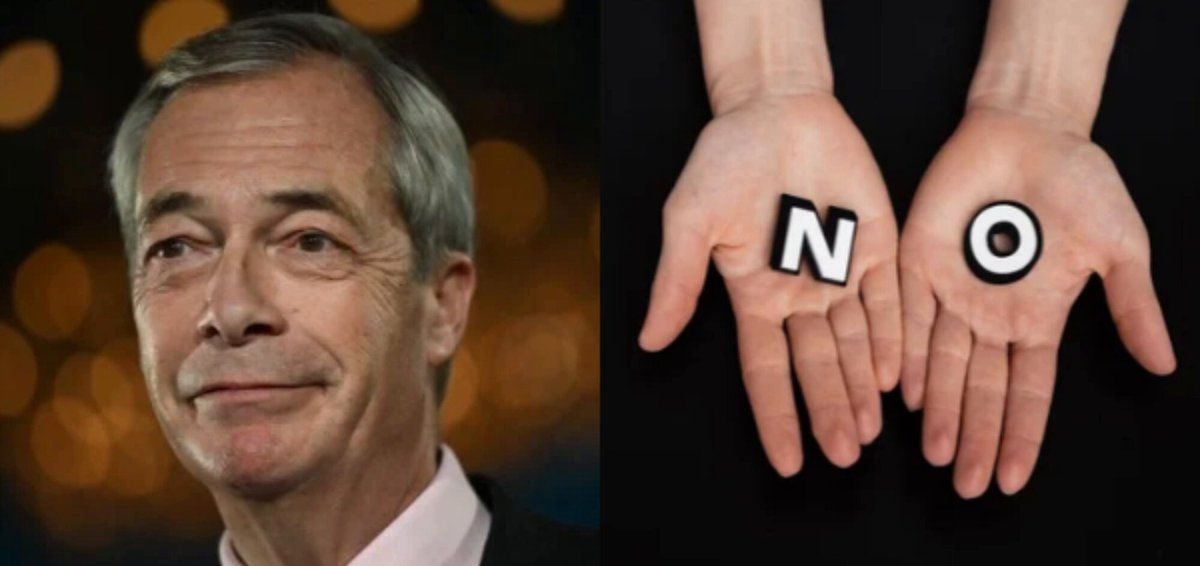
The House of Lords began debating the Representation of the People Bill on September 14, picking up legislation that would, among other things, impose a full ban on cryptocurrency donations to British political parties. The timing was pointed: peers took up the bill at second reading just days after @reformparty_uk received the two largest single donations in British political history.
Record donations that rewrote the rulebook
The gifts came from Ben Delo, co-founder of the cryptocurrency derivatives exchange BitMEX, and Christopher Harborne, a British investor who holds a large stake in stablecoin issuer Tether.Each contributed £36 million within two days. Delo's payment became the largest single donation to a British political party before Harborne matched it the following day. Together, the pledges totalled £72 million (roughly $97 million). Both donations were paid in sterling, not digital tokens.
The pair now share the record for Britain's largest single donation. The previous record holder, businessman John Sainsbury, gave £10 million to the Conservative Party in 2023.@Nigel_Farage said the money broke no laws, and Reform maintains that both contributions comply with the rules, and no authority has publicly declared either donation unlawful.
What the bill would do
Among its provisions, the bill would introduce a range of measures regarding political finance, including restrictions on donations from overseas electors, a moratorium on political donations via cryptoassets, and updated "know your donor" due diligence requirements.Under the current version of the legislation, British citizens living overseas would face a £100,000 limit on political donations.
The crypto donation provisions have roots in the independent Rycroft Review, commissioned in December 2025 to investigate foreign financial interference in UK politics. On 25 March 2026, that review recommended that a moratorium be placed on political donations made in cryptoassets, and the government announced it would bring forward an amendment to the Representation of the People Bill to do exactly that.That amendment now proposes a full ban on cryptocurrency donations.
During the Lords debate, former Prime Minister @theresa_may noted that the bill would not cover gifts made to individual candidates, a gap that drew scrutiny from peers. The donations have also intensified calls for a broader cap on political contributions overall.A parliamentary committee had earlier warned that cryptocurrency donations pose an "unnecessary and unacceptably high risk to the integrity of the political finance system."
It has not been confirmed that the Delo and Harborne donations were paid in cryptocurrency itself, which means the existing moratorium may not directly affect them. The House of Lords is expected to debate the bill further before any formal vote.
Sources:House of Lords Library: Representation of the People Bill briefingHouse of Commons Library: Cryptocurrency donations in UK politicsUK Government: Cap on donations from overseas electors and ban on crypto donations