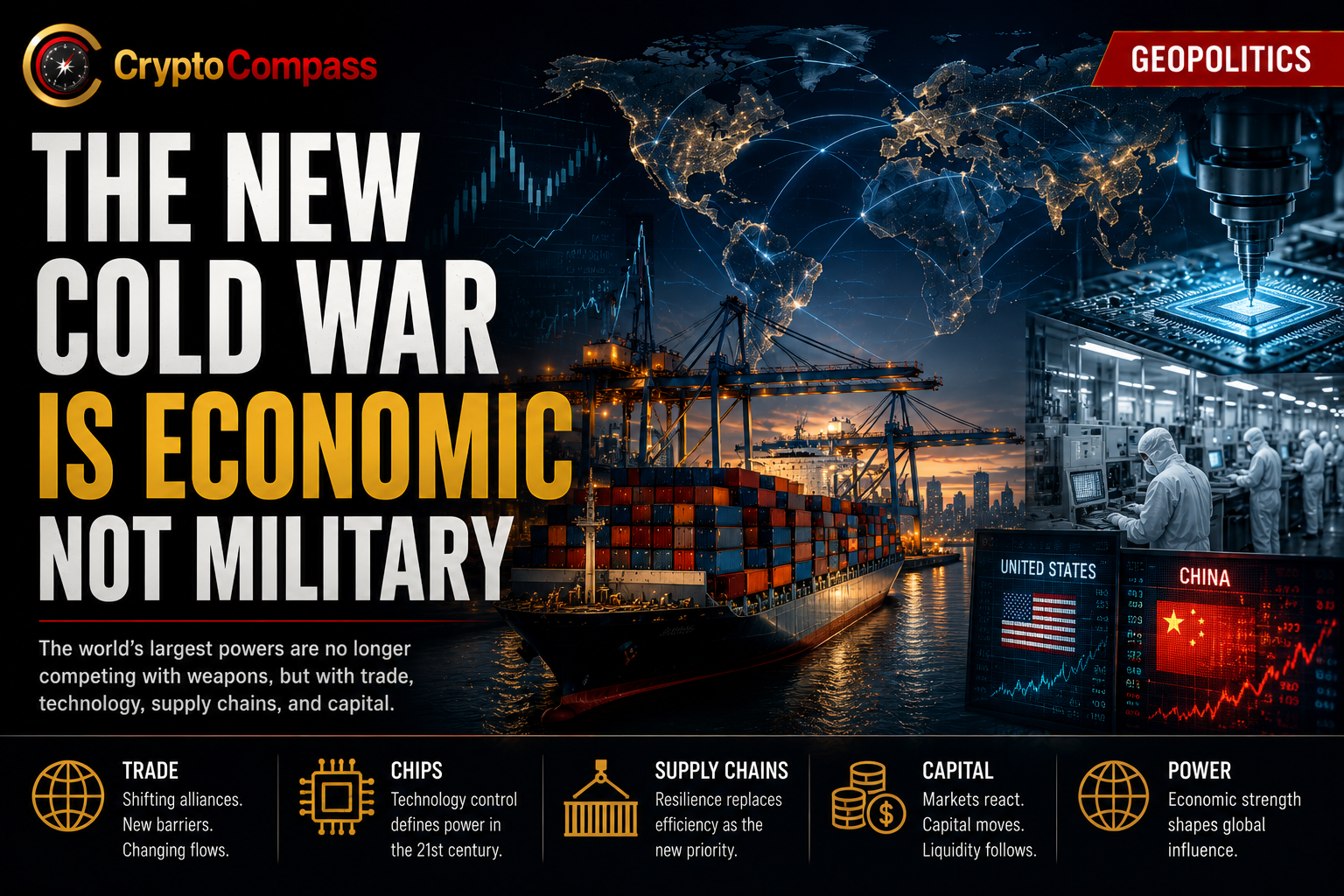
The world's two largest economies are no longer competing primarily through military power. The battle is increasingly being fought through trade, technology, supply chains, and control over strategic industries.
A
AnonymousCryptoCompass newsroom
June 8, 2026
8 min read
ANALYSIS
CryptoCompass editorial visual for policy coverage.
The New Cold War Is Economic, Not Military
A Different Kind of Global Competition
When people hear the term "Cold War," they often think about military rivalry.
Missiles.
Nuclear weapons.
Military alliances.
Today's geopolitical competition looks very different.
The world's largest powers are increasingly competing through economics.
Technology restrictions.
Semiconductor controls.
Supply chain diversification.
Trade barriers.
Strategic resource access.
The battlefield has shifted from military confrontation to economic influence.
And global markets are paying attention.
Why Economics Has Become the Primary Weapon
Military conflict carries enormous risks.
Economic pressure offers governments a different tool.
Countries can influence rivals through:
Export controls
Tariffs
Financial sanctions
Technology restrictions
Critical resource access
These measures can shape economic outcomes without direct military confrontation.
As a result, economic policy has become a central part of geopolitical strategy.
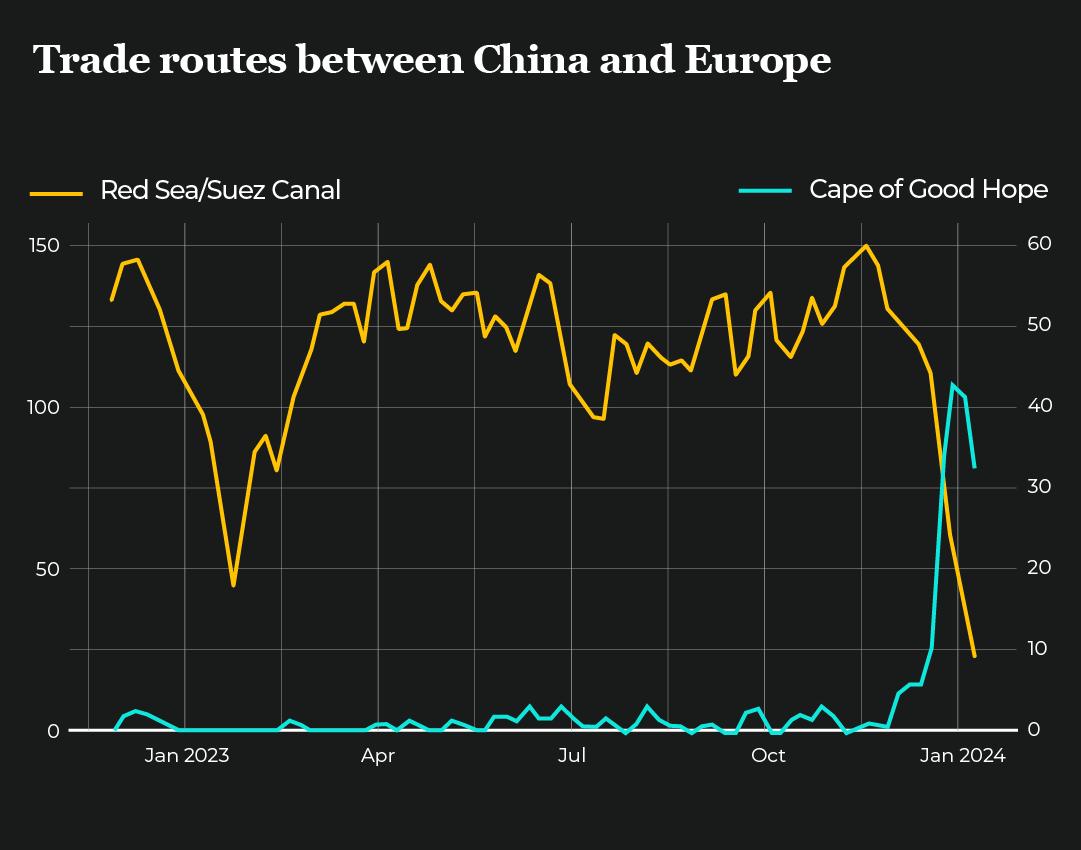
Global trade routes have become increasingly important as governments seek to secure supply chains and strategic industries.
The Battle for Technology
Technology has emerged as one of the most important areas of competition.
Advanced semiconductors.
Artificial intelligence.
Telecommunications infrastructure.
Quantum computing.
These industries are increasingly viewed as matters of national security.
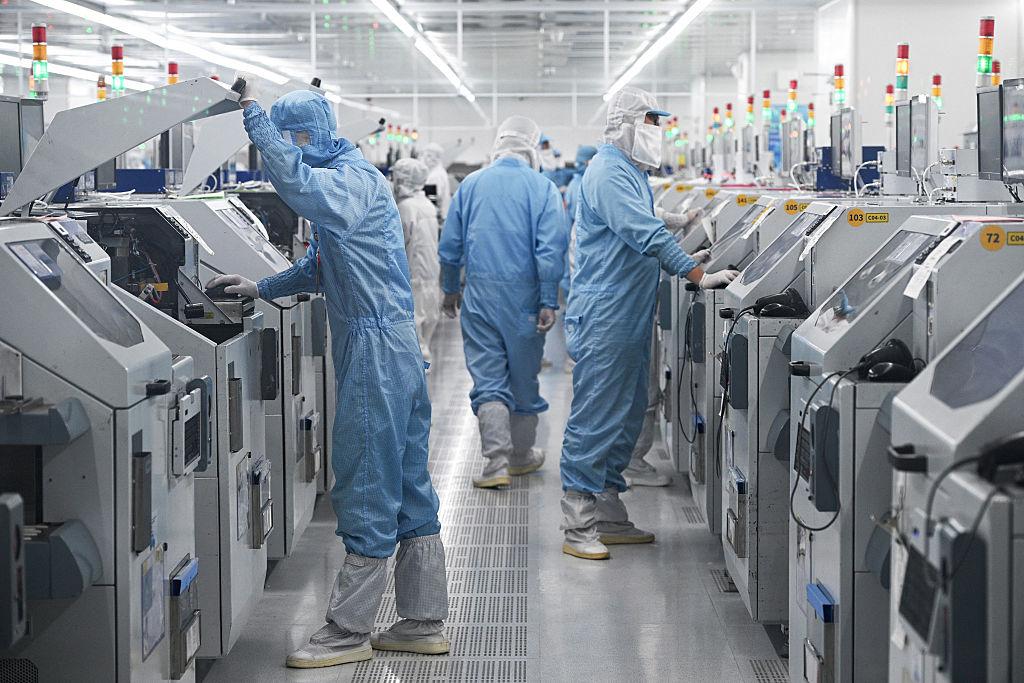
Governments are investing heavily to strengthen domestic capabilities while reducing dependence on foreign suppliers.
The result is a growing race for technological leadership.
Supply Chains Are the New Front Line
For decades, globalization emphasized efficiency.
Companies built supply chains based on cost optimization.
Today, resilience is becoming equally important.
Businesses are reassessing manufacturing locations.
Governments are encouraging domestic production.
Critical industries are being brought closer to home markets.
This transformation is reshaping global trade patterns.
Why Financial Markets Care
Investors often focus on earnings reports and economic data.
Polish prosecutors investigating the troubled crypto exchange Zondacrypto have filed formal criminal charges against an individual identified as Romana Ż., accusing him of involvement in an o
Brazil’s biggest banks are bringing cryptocurrency into their consumer platforms; however, Banco Central do Brasil documents indicate that Brazilian banks had zero virtual assets held on thei
This weekend, OpenAI chief scientist Jakub Pachocki said no AI lab, not even his own, had made alignment and monitoring safe enough to keep speeding up model capability.He called for voluntar