The Sandbox has halted token bridging to Base and BNB Chain after an exploit minted unbacked SAND tokens, forcing an emergency pause on cross-chain transfers while the team assesses the damag
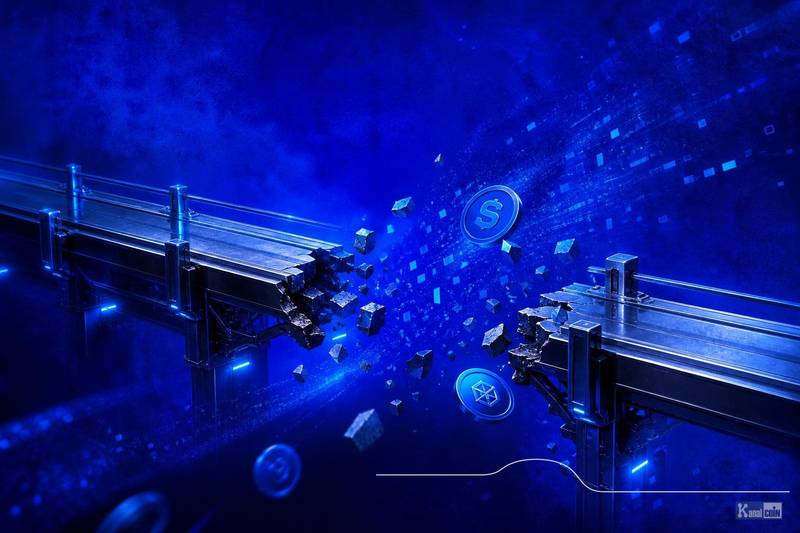
The Sandbox has halted token bridging to Base and BNB Chain after an exploit minted unbacked SAND tokens, forcing an emergency pause on cross-chain transfers while the team assesses the damage. The Sandbox bridge exploit is the latest reminder that cross-chain infrastructure remains one of crypto's most exposed attack surfaces, a concern that lands directly on Southeast Asian retail traders who hold SAND across multiple networks.
What happened in The Sandbox bridge exploit
The Sandbox confirmed it paused bridging on Base and BNB Chain after an exploit produced SAND tokens that were not backed by locked collateral, according to the project's statement on X. Bridging was suspended immediately as a containment step. For related coverage, see Hong Kong Launches IP Financing Sandbox for Innovators.
In a bridge, tokens on a destination chain are supposed to be backed one-for-one by assets locked on the origin chain. "Unbacked" tokens are units that exist on Base or BNB Chain without that matching collateral, meaning the circulating supply on those chains no longer reflects real reserves. For related coverage, see Digital gilt enters BoE sandbox as UK taps HSBC Orion.
Security firm Blockaid also flagged activity tied to the incident, and the halt was reported by Crypto Briefing. Pausing deposits and withdrawals is the standard first move to stop unbacked tokens from spreading further.
TLDR KEY POINTS
- The Sandbox halted SAND bridging on Base and BNB Chain after an exploit.
- The exploit minted SAND tokens that were not backed by locked collateral.
- Cross-chain transfers are paused while the team assesses supply and exposure.
Why the bridge halt matters for SAND holders and cross-chain activity
A bridging halt freezes deposits, withdrawals, and token mobility between the affected chains. Holders who moved SAND onto Base or BNB Chain may be unable to bridge back until service resumes. For related coverage, see Bitwise CEO Says BSOL Solana Staking ETF Drew Over $20M in Inflows.
Unbacked minting raises immediate questions about supply integrity and redemption risk. If more tokens exist on a chain than there is collateral to redeem them, the wrapped version can trade at a discount or lose peg entirely, which is the core risk in any bridge failure. For related coverage, see Zcash Jumps 48% Above $800 on Grayscale ETF Buzz.
Trading of SAND on centralized venues is separate from the halted bridge. Users on regional exchanges such as Indodax, Tokocrypto, and Coins.ph should treat spot balances and cross-chain bridging as distinct: the pause covers bridge transfers, not necessarily every exchange listing. For related coverage, see Bitcoin ETFs Add $1.61B as 3% Real Yields Test Demand.
What to watch next after The Sandbox paused Base and BNB Chain bridging
A pause typically signals containment while the team reconciles balances and measures exposure. The most important follow-ups will be an incident review, a reconciliation of SAND supply against locked reserves, and clear conditions for restarting the bridge, per initial reporting. Because that reporting is early and incomplete, the exact attack method and the size of the unbacked mint remain unconfirmed.
Southeast Asian holders should rely only on official channels before attempting any transfer. Watch The Sandbox's own updates for backing verification and a restart notice rather than acting on secondary chatter, especially given how quickly bridge incidents move across Jakarta, Bangkok, and Manila trading hours.
This story is developing, and the details of the exploit are still being verified. We will update as The Sandbox and independent security researchers publish confirmed findings.
Additional source references: source document 1.
Disclaimer: This article is for informational purposes only and does not constitute financial or investment advice. Cryptocurrency and digital asset markets carry significant risk. Always do your own research before making decisions.
Read original article on kanalcoin.com