An Unexpected Runner-Up When Standard Chartered's crypto arm Zodia Markets reviewed its stablecoin volumes for 2025, one result stood out. "Our second-largest currency in terms of stablecoins
An Unexpected Runner-Up
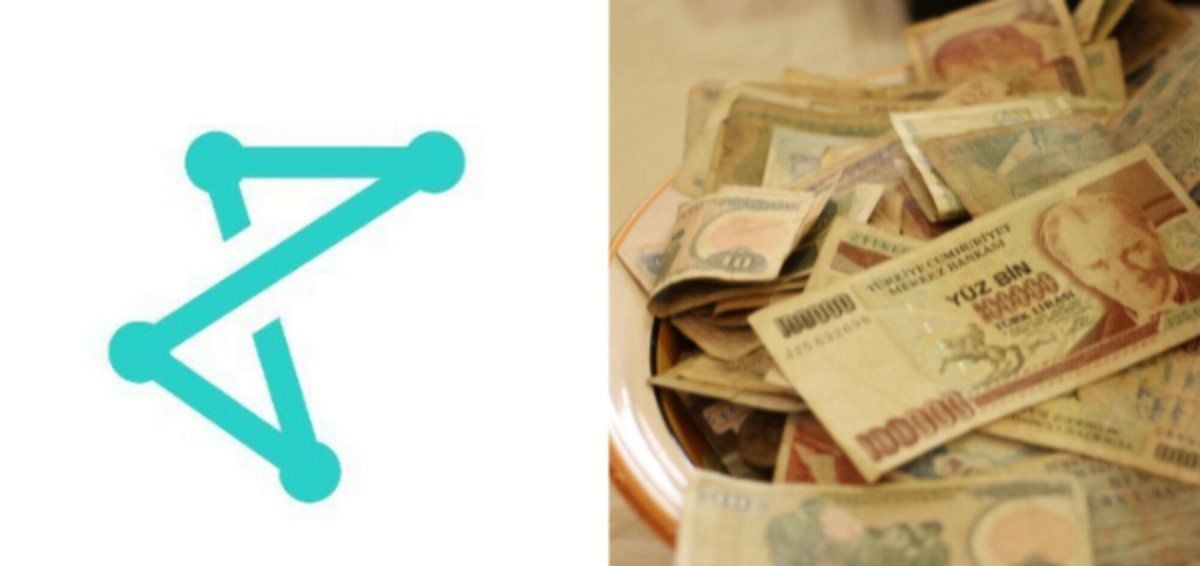
When Standard Chartered's crypto arm Zodia Markets reviewed its stablecoin volumes for 2025, one result stood out. "Our second-largest currency in terms of stablecoins last year was not the euro or any G10 currency as one perhaps would've expected but rather the Turkish lira," said Nick Philpott, co-founder and interim CEO of Zodia Markets, at a press event.
The finding was a genuine surprise. Lira-pegged tokens outranked every G10 currency among the firm's institutional client base, including the euro, which a coalition of European banks is planning to launch a dedicated stablecoin for this year. Philpott's comments highlight the lack of demand for euro-pegged stablecoins, despite European Central Bank interest in the space.
The volumes tell the story plainly. Zodia handled $110.5 billion in dollar-stablecoin transactions in 2025, versus $3.4 billion in lira-pegged tokens and only tens of millions in euro. The gap between dollar and lira is wide, but the lira's lead over the euro is the more revealing data point.
Settlement, Not Speculation
The driver behind lira stablecoin adoption is practical rather than speculative. Clients used lira-pegged stablecoins as an alternative to sending lira through correspondent banks.Zodia's lira stablecoin volume exceeded all euro stablecoin volume combined by a factor of 100, because settling Turkish lira through traditional rails is difficult, opening an offshore lira bank account is far from straightforward, but lira stablecoins can be held almost anywhere.
The broader backdrop matters here. Chronic depreciation and high volatility in the lira, which has weakened from 1.10 to over 44 per dollar since 2008, have pushed Turkish businesses and institutions to seek alternatives for settling cross-border transactions. Stablecoin settlement sidesteps the friction of correspondent banking entirely. The key advantages include near-instant settlement, transparent transaction tracking, and the ability to operate continuously without banking hour constraints.
Standard Chartered's crypto analyst Geoff Kendrick drew the broader conclusion from these numbers: there is more likely to be future demand for stablecoins in countries where local financial infrastructure is weaker, or more people are cut off from the financial system. The Turkish lira result is a case study in that thesis, and it signals where the next wave of stablecoin adoption is most likely to take hold.
SourcesThe Star: Turkish lira-pegged stablecoins most widely used after dollar tokens, Zodia saysZodia Markets: Stablecoins and the future of money movementElliptic: How stablecoins can improve cross-border payments for banks