BitcoinWorld Thune Faces Monday Deadline to Advance CLARITY Act Before August Recess Senate Majority Leader John Thune must initiate procedural steps by today if the chamber is to consider th
BitcoinWorld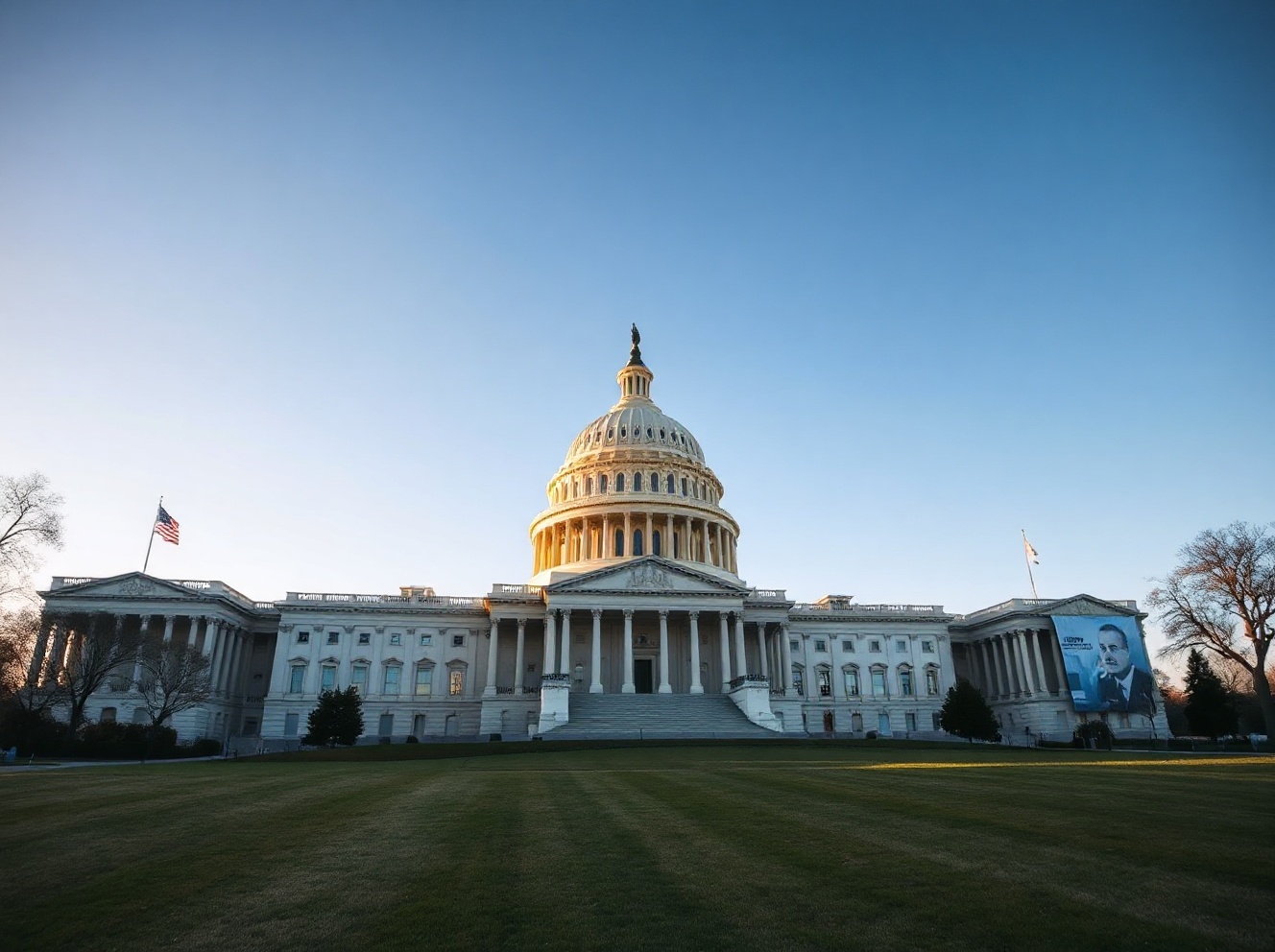 Thune Faces Monday Deadline to Advance CLARITY Act Before August Recess
Senate Majority Leader John Thune must initiate procedural steps by today if the chamber is to consider the CLARITY Act before the August recess, with a cloture vote scheduled for Aug. 4, according to a report from Crypto in America. The vote would determine whether the Senate opens floor debate on the bill, which aims to provide regulatory clarity for digital assets.
What is the CLARITY Act?
The CLARITY Act, formally known as the Clearing Assembly Lines for Regulatory Integrity and Transparency Act, seeks to define whether certain digital assets are securities or commodities. The bill would grant the Commodity Futures Trading Commission (CFTC) primary oversight of digital commodity markets, while the Securities and Exchange Commission (SEC) would retain authority over securities. This division of jurisdiction has been a central point of debate among lawmakers and industry stakeholders.
If the cloture motion secures 60 votes, the Senate can proceed to debate the bill and consider amendments. Failure to act today could push consideration to September or later, delaying a legislative milestone that crypto advocates have long sought.
Procedural Timeline and Implications
The Senate is scheduled to recess at the end of this week, and any unfinished business would be postponed until after Labor Day. Thune’s leadership is critical in scheduling floor time, and the Aug. 4 vote is the earliest possible opportunity for a test of bipartisan support. The bill has drawn co-sponsors from both parties, but its path remains uncertain amid disagreements over investor protections and the SEC’s role.
Market observers note that regulatory clarity could influence institutional adoption and innovation in the U.S., as firms seek predictable rules. The outcome of the vote will signal whether Congress can advance digital asset legislation in an election year.
Why This Matters
For the crypto industry, the CLARITY Act represents a rare chance for statutory definition, potentially reducing reliance on enforcement actions and court rulings. For policymakers, it offers a way to address a regulatory gap that has persisted for years. The Senate’s decision will also test the legislative appetite for crypto-specific laws, which could shape future proposals on stablecoins and market structure.
Conclusion
As the clock ticks down to the August recess, all eyes are on Thune’s next move. A successful cloture vote would set the stage for substantive debate, while a failure would likely delay any progress until the fall. The coming days will reveal whether the Senate can deliver on a long-promised regulatory framework for digital assets.
FAQs
Q1: What is the CLARITY Act?The CLARITY Act is a bill that would define whether digital assets are securities or commodities, assigning regulatory authority to the CFTC and SEC accordingly.
Q2: When is the Senate expected to vote on the CLARITY Act?A cloture vote is set for Aug. 4, which would determine whether the Senate proceeds to debate the bill.
Q3: What happens if the Senate does not vote before the recess?If no action is taken, the bill would likely be postponed until after the August recess, potentially delaying progress until September.
This post Thune Faces Monday Deadline to Advance CLARITY Act Before August Recess first appeared on BitcoinWorld.