Last updated: November 3, 2026 Tokenized real world assets connect a blockchain token to a legal claim on an asset, such as a fund, security or commodity. The token records ownership or an in
Last updated: November 3, 2026
Tokenized real world assets connect a blockchain token to a legal claim on an asset, such as a fund, security or commodity. The token records ownership or an interest, but legal documents and custody arrangements determine what that claim means.
A token isn’t automatically the asset itself. Recording ownership on a blockchain doesn’t remove legal, custody or market risks.
Key Takeaways
- Tokenization connects an asset or legal claim to a blockchain-based ownership record.
- The legal structure determines the underlying asset, custodian and token holder’s rights.
- Smart contracts can automate transfers, but they don’t ensure buyers, redemption or a particular asset value.
- Tokenized securities remain subject to securities laws where those laws apply.
What an RWA token represents
A real world asset, often shortened to RWA, is an asset or financial interest represented digitally on a blockchain. Examples include U.S. Treasuries, private credit, commodities and tokenized stocks. A token might represent a direct interest, a share in a structure holding an asset, or an ownership record managed by an issuer or service provider.
The Bank of Canada describes tokenization as verifying an asset’s authenticity and legal status, creating a custody or legal structure for the claim, then recording ownership, divisions and sale or redemption conditions in a token. The Bank of Canada’s explanation of tokenization puts the legal claim before the blockchain record.
These tokens aren’t all structured alike. A holder’s rights depend on the terms of the specific issue, not just its token name or ticker.

Verification and legal structure come before a token record.
How tokenized real world assets work
Creating a token
First, the issuer or other relevant parties identify the asset and verify its authenticity and legal status. They establish how it will be held, who can issue tokens and what rights each token represents. A custodian or legal entity may hold the asset or administer the claim.
The terms specify how many tokens may be issued, whether interests can be divided, and how transfers or redemption work. They should set out what holders can claim and any conditions. A token balance alone can’t answer those questions.
The blockchain records token creation and transfers. Smart contracts can execute specified actions, such as transferring tokens when stated conditions are met. But coded rules don’t independently verify every off-chain event or ensure an asset can be sold or redeemed.
Eligible buyers may acquire tokens through the arrangements available for that issue. Transfer rules, issuer procedures and applicable law can restrict who may hold or trade them.
Ownership, trading and redemption
A token may represent a security issued by the asset’s issuer or a third party’s digital representation of an existing security. On January 28, 2026, the U.S. Securities and Exchange Commission said tokenized securities remain securities under U.S. federal securities law. It also distinguishes issuer-sponsored tokens from third-party tokenizations.
A blockchain transfer doesn’t settle every question about legal ownership. The governing documents and systems must explain how the token record relates to the asset, and what happens if records conflict, a service provider fails or a holder seeks redemption.
Trading may take place on platforms available for that issue, but a token’s ability to move between wallets doesn’t mean every platform will accept it. A product’s transferability and redemption terms depend on its arrangements and applicable rules.
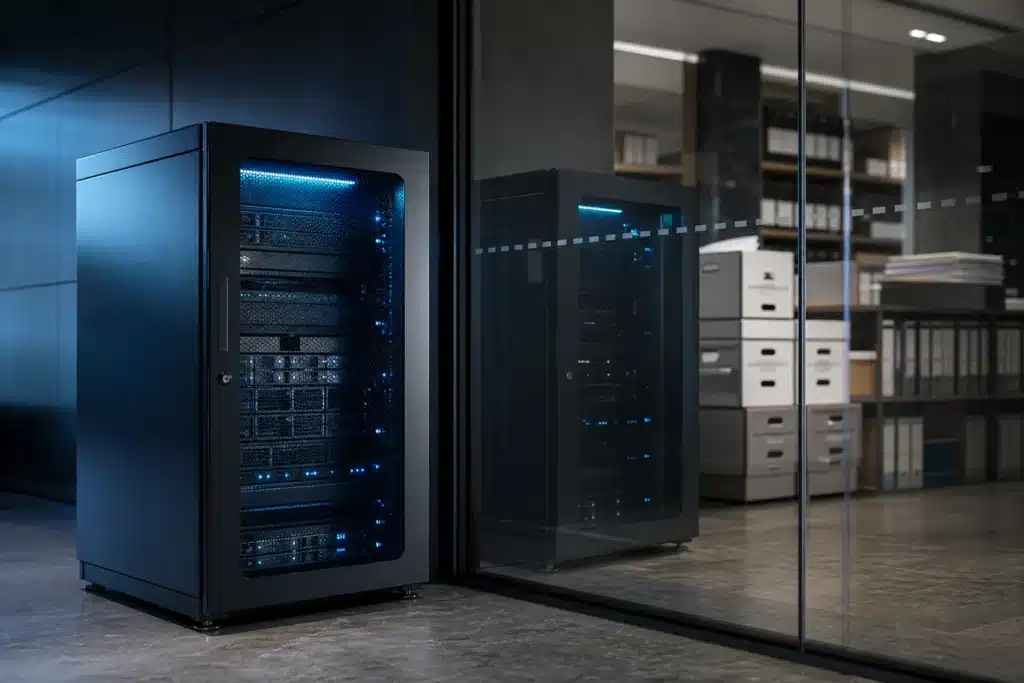
Token records connect digital transfer systems with established ownership arrangements.
What the market snapshot shows
Tokenization spans several asset categories. Tokenizedpedia’s snapshot for October 1, 2026, reported $38.63 billion in tracked on-chain RWA value, excluding stablecoins, across 39 blockchains and 212 platforms. It counted 4.95 million holder wallets, but wallets are addresses, not individual people.
The snapshot listed $14.64 billion in U.S. Treasuries, $7.97 billion in private credit, $5.17 billion in commodities and $3.23 billion in tokenized stocks. These dated tracker figures don’t cover every tokenized asset or establish access to or redemption of a specific product.
Traditional financial infrastructure is also connecting to token systems. DTCC said its Tokenization Service launched on October 28, 2026. It enables eligible users to create tokenized representations of securities held at the Depository Trust Company and convert between traditional and tokenized forms. DTCC said those tokens retain the securities’ ownership rights, investor protections and economic entitlements. This description applies to its service, not tokenized assets generally.
Risks and checks that matter
Risks include changes in the underlying asset’s value and illiquid token markets. A stated connection to an asset doesn’t prove it’s held as described or that holders can redeem on demand.
Custody, issuer, platform and smart contract failures can disrupt transfers or lead to disputes over a holder’s claim. Wallets and tokens also face theft, phishing and scams. Never share a seed phrase with someone claiming to manage or recover tokens.
Rules vary by country and asset type. The SEC’s January 2026 statement addresses U.S. securities law. Its September 17, 2026, temporary, conditional five-year exemption covers certain on-chain venues trading tokenized U.S. exchange-listed stocks and certain liquidity providers. It isn’t a blanket exemption for all tokenized products. Tax and legal rules differ by jurisdiction; consult an appropriately qualified professional for advice about your circumstances.

Custody, access controls and legal records remain part of the risk picture.
Frequently asked questions
Are these tokens the same as the underlying asset?
Not necessarily. A token may represent a legal claim or an interest administered through a separate structure. The issue documents explain the relationship and holder rights.
How can these products generate returns?
Income or changes in value depend on the underlying asset and product terms. Tokenization itself does not determine a product’s return. Fees, losses and market changes can affect outcomes.
Can tokenized assets be traded at any time?
Not automatically. Trading depends on transfer rules, available platforms, eligible participants and market demand. Transferability on a blockchain doesn’t ensure liquidity.
Are tokenized securities regulated?
They may be. The SEC says tokenized securities remain securities under U.S. federal securities law. Requirements vary by jurisdiction, structure and activity.
Related Articles
Sources
This article is for informational purposes only and does not constitute financial or investment advice. Cryptocurrencies are highly volatile; always do your own research before investing.