A wave of short liquidations followed the Treasury's move to rein in long-term borrowing costs. The US Treasury has stepped up its debt buyback operations, doubling the pace at which it repur
A wave of short liquidations followed the Treasury's move to rein in long-term borrowing costs.
The US Treasury has stepped up its debt buyback operations, doubling the pace at which it repurchases outstanding government bonds. The stated goal appears to be holding long-term yields near a 5.3% ceiling. Bond traders have read this as a firm signal that Washington wants to prevent borrowing costs from climbing further.
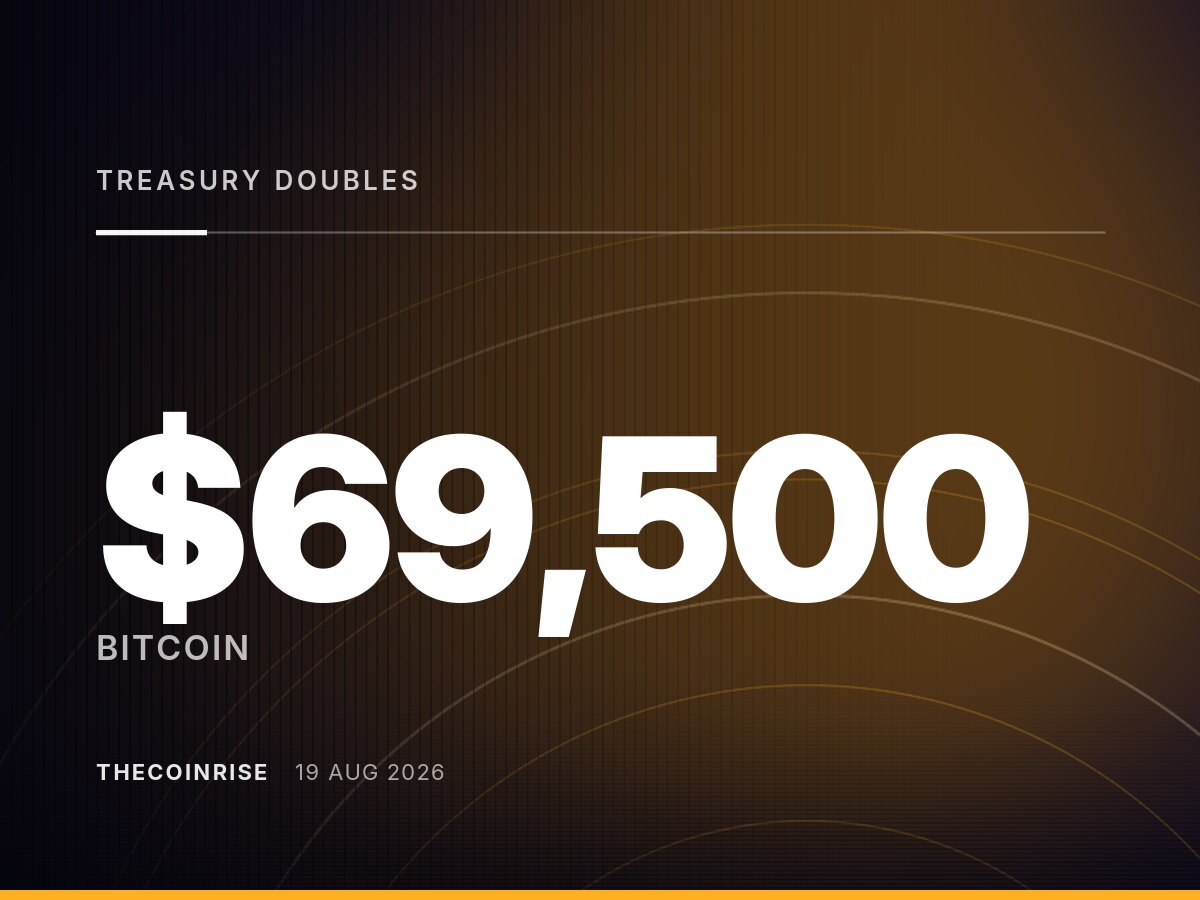
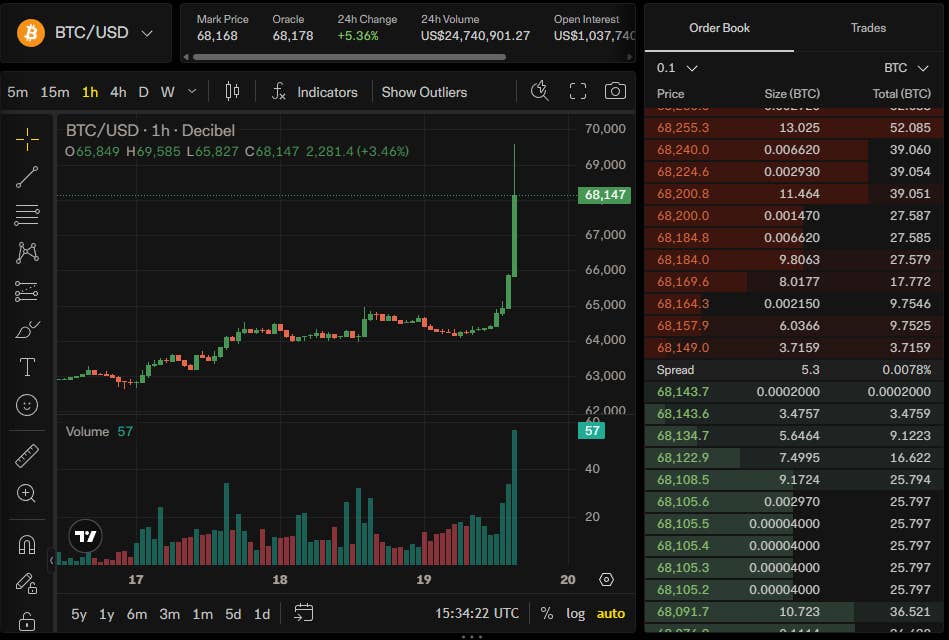
Bitcoin reacted quickly. The largest cryptocurrency rose to $69,500, according to CryptoSlate, as traders positioned for looser financial conditions. The rally caught many short sellers off guard. More than $400 million in short positions were liquidated across derivatives markets as prices moved against bearish bets.
Treasury buybacks work by removing bonds from circulation, which can support prices and push yields lower. When the government buys back debt at a faster pace, it effectively reduces the supply of new-issuance pressure on the long end of the curve. Analysts have described this as one of the more direct tools available to policymakers seeking to manage borrowing costs without changing headline interest rate policy.
BeInCrypto framed the 5.3% level as a line the Treasury does not want yields to cross. That threshold has become a reference point traders are now watching for signs of official intervention. When yields approach it, buyback activity appears to intensify, according to the reporting.
Bitcoin's rally reflects a broader pattern seen throughout this market cycle. Digital assets have grown increasingly sensitive to shifts in bond markets and liquidity conditions. Lower long-term yields tend to reduce the appeal of holding cash and short-duration debt. That dynamic can push capital toward riskier assets, including cryptocurrencies.
The scale of short liquidations adds another layer to the story. Leveraged traders who bet against Bitcoin were forced to close positions as prices climbed, amplifying the move higher. Liquidation cascades of this size often accelerate short-term price swings beyond what spot demand alone would produce.
It remains unclear how long the Treasury will sustain this pace of buybacks, or whether the 5.3% level will hold if broader fiscal or inflation data shifts market expectations. Bond market participants will be watching upcoming Treasury auctions and debt issuance schedules for further clues about the government's approach to managing yields into the rest of the year.
Market Impact
The buyback-driven move in Treasury yields has direct implications for risk assets, including cryptocurrencies. Lower long-term yields reduce the relative attractiveness of holding government debt, which can push investors toward equities, commodities, and digital assets in search of higher returns.
The short liquidation event also underscores how leveraged positioning can magnify Bitcoin's price reaction to macro news. Traders will likely watch the 5.3% Treasury yield level closely going forward, treating it as a signal of policy intent that could continue to influence crypto market sentiment.
The episode shows how tightly Bitcoin's price action is now tied to developments in US bond markets. Traders appear to be treating Treasury policy signals as a key input alongside traditional crypto-specific catalysts.
Frequently Asked Questions
What are Treasury debt buybacks?
Debt buybacks occur when the US Treasury repurchases previously issued bonds from the market. This can reduce bond supply and help support prices, which in turn lowers yields.
Why does a 5.3% yield level matter for Bitcoin?
Higher long-term yields typically make bonds more attractive relative to riskier assets like Bitcoin. Efforts to cap yields near 5.3% suggest policymakers want to ease that pressure, which can support demand for cryptocurrencies.
What caused the $400 million in Bitcoin short liquidations?
As Bitcoin's price rose toward $69,500, traders holding leveraged short positions were forced to close them at a loss. This process, known as liquidation, added further upward pressure on the price.
Is this Treasury action a change in official interest rate policy?
No. Debt buybacks are a separate tool from setting benchmark interest rates. They target bond supply and long-term yields rather than the short-term rates set by monetary policy decisions.
Originally reported by AltcoinGordon, written by Ethan Mercer. Republished with permission.
View the original on AltcoinGordon →
The post Treasury Doubles Debt Buybacks to Cap Yields at 5.3%, Bitcoin Jumps to $69,500 appeared first on TheCoinrise.com.