U.S. Treasury Secretary Scott Bessent has tied the dollar’s future to America’s performance in digital assets. He says that technology is increasingly joining military might as a source of ec
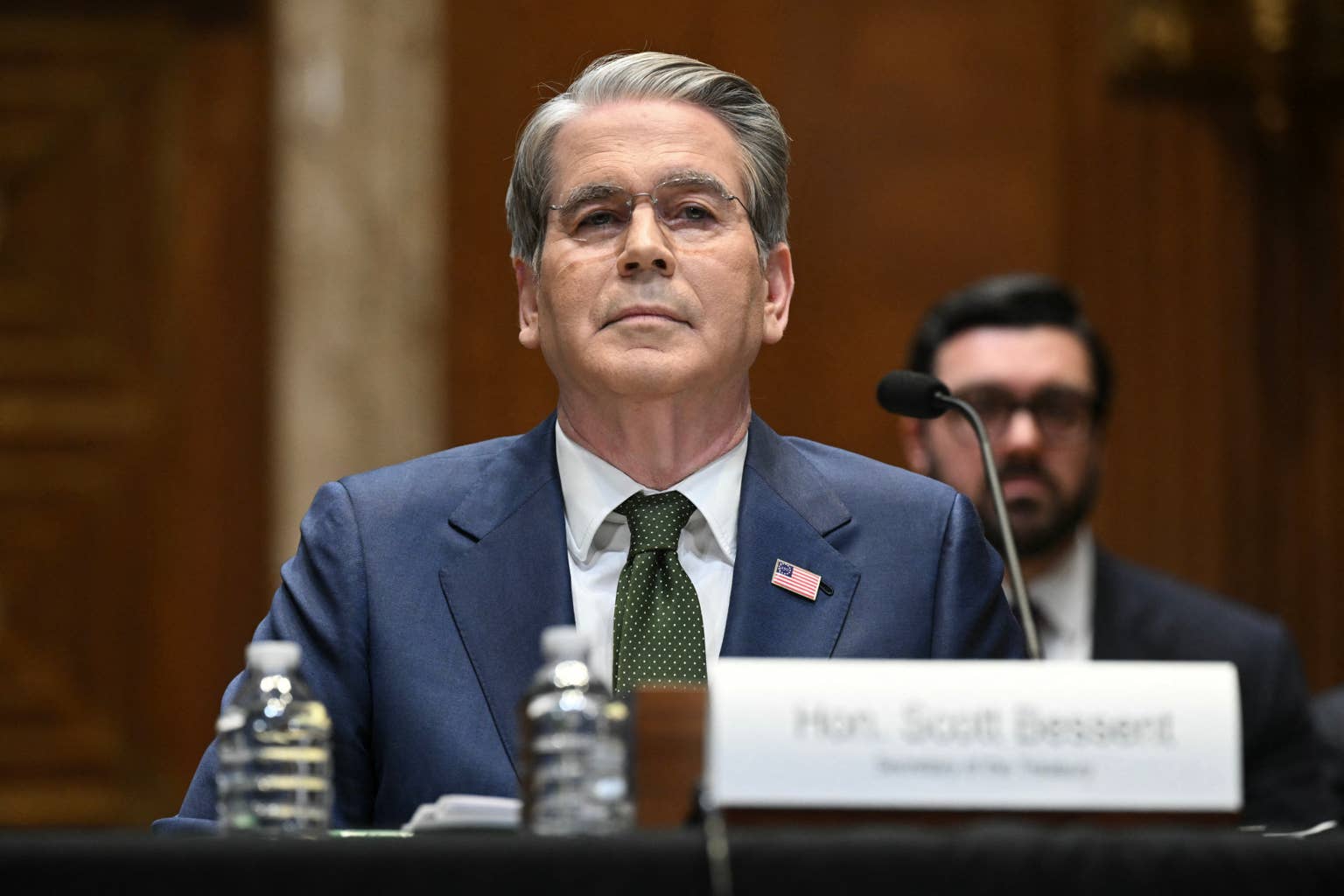
U.S. Treasury Secretary Scott Bessent has tied the dollar’s future to America’s performance in digital assets. He says that technology is increasingly joining military might as a source of economic influence.
Speaking Tuesday at Ripple’s Swell conference alongside CEO Brad Garlinghouse, he noted that reserve currencies have historically rested on military power. That, he said, is changing.
"I think that digital assets are going to be no different, and we are going to win in the digital asset stack, and that's gonna continue to fortify the U.S. dollar," Bessent was quoted as saying.
“We will keep our military umbrella, but I think more and more it’s becoming a technology umbrella,” Bessent added.
Related: Elon Musk has a bold answer to America’s $40 trillion debt crisis
Stablecoins as a demand engine
Bessent pointed to the widening split between U.S. and Chinese technology ecosystems, where countries and companies must choose whose AI systems and chips to adopt. Digital assets, he suggested, belong in the same contest.
The administration has already secured the GENIUS Act, which created a federal framework for stablecoins.
The GENIUS Act is the 2025 federal law that sets the first U.S. rules for stablecoins, requiring issuers to back their tokens one-to-one with cash or safe assets like Treasury bills.
Bessent said more than 90% of stablecoins are backed by U.S. dollars, and issuers typically hold government securities as reserves. Rising adoption could therefore lift demand for Treasury debt.
“I think it’s gonna be an important source of funding for the Treasury,” he said.
He rejected the view that stablecoins merely swap dollars people already hold. In his view, they can reach savers in emerging markets who want protection from currency swings.
“I think we are opening up new markets all around the world,” he added.
Regulators asked to fill the gap
The White House’s wider push hit a wall when Congress failed to pass the Clarity Act, which would have set a broader federal framework for the industry.
Bessent called the outcome a disappointment but said Treasury can work with the SEC and CFTC to advance oversight through agency action.
“At Treasury, we have a lot of convening powers,” he said, describing both regulators as “great partners” in building a framework other countries could follow.
He also addressed debanking, where financial institutions cut services to crypto businesses, at times allegedly under regulatory pressure.
Bessent said the Clarity Act would have helped prevent a return to the practice. He argued that safeguards can still be put in place.
“I think we can set up regulatory best practices, guardrails that will prevent that from happening again,” he said.
Rules written by agencies, however, would not carry the permanence of legislation.
The Roundtable 100
If you follow our market coverage, don’t miss the Roundtable 100. Updated every Friday, it's a power ranking of the 100 most investable tech stocks, including digital assets. Check out the latest RTB 100 rankings at roundtable100.com
Related: Dave Ramsey's investing advice falls short, study finds