BitcoinWorld Treasury Yields Climb as Fed Chair Warsh’s Jackson Hole Remarks Signal Cautious Stance U.S. Treasury yields rose on Friday as Federal Reserve Chair Kevin Warsh’s opening remarks
BitcoinWorld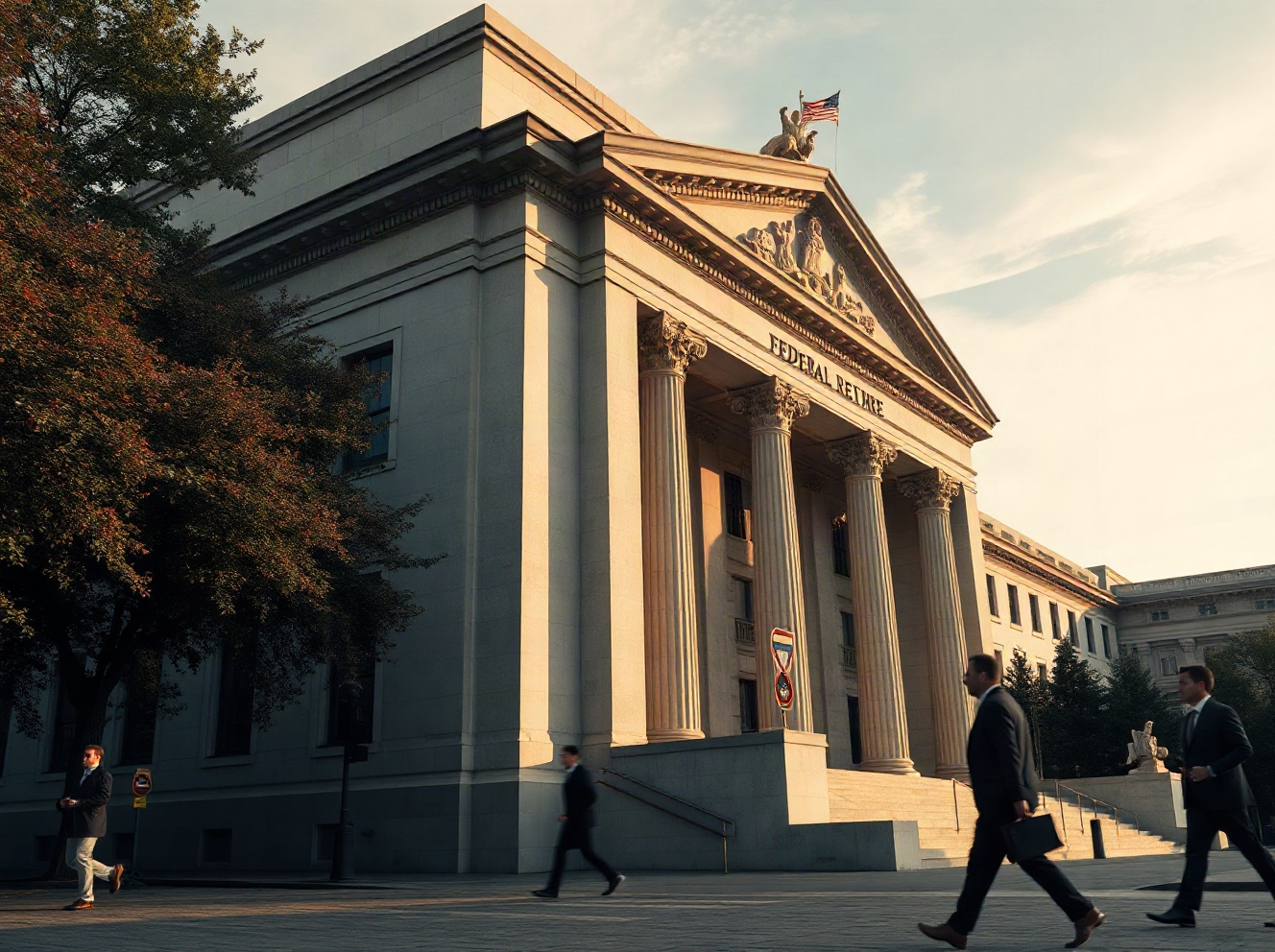 Treasury Yields Climb as Fed Chair Warsh’s Jackson Hole Remarks Signal Cautious Stance
U.S. Treasury yields rose on Friday as Federal Reserve Chair Kevin Warsh’s opening remarks at the Jackson Hole economic symposium signaled a cautious approach to future rate cuts, prompting investors to reassess the likely path of monetary policy.
In his first Jackson Hole address as Fed Chair, Warsh emphasized the need for data-dependent decision-making, noting that inflation remains above the Fed’s 2% target and that the labor market, while cooling, has not deteriorated enough to warrant aggressive easing. His comments were interpreted as pushing back against market expectations for rapid rate reductions later this year.
Following the speech, the yield on the benchmark 10-year Treasury note rose by 5 basis points to 4.32%, while the 2-year yield, which is more sensitive to Fed policy expectations, climbed 7 basis points to 4.05%. The moves reflect a repricing of rate-cut odds, with futures markets now pricing in a lower probability of a cut at the Fed’s September meeting.
Context: Jackson Hole’s Significance
Jackson Hole has historically been a venue for major policy signals. Past Fed chairs have used the platform to hint at shifts in monetary policy, making Warsh’s debut appearance particularly closely watched. His remarks come at a time when the Fed is balancing stubborn inflation with signs of a softening job market, a delicate trade-off that has divided policymakers.
Warsh’s tone was more hawkish than some had anticipated, echoing his reputation as a policy hawk. He stressed that “premature easing” could reignite inflationary pressures, a concern that has been echoed by several regional Fed presidents in recent weeks.
Implications for Borrowers and Investors
Rising Treasury yields translate directly to higher borrowing costs for consumers and businesses, affecting mortgages, auto loans, and corporate debt. For investors, the shift suggests a period of continued volatility in bond markets as they adjust to a more gradual easing cycle.
Equity markets also felt the impact, with major indices paring earlier gains as rate-sensitive sectors like technology and real estate came under pressure. The dollar strengthened modestly against a basket of currencies, reflecting the relative attractiveness of U.S. assets.
What to Watch Next
Investors will now focus on upcoming economic data, particularly the August jobs report and consumer price index, for clues on whether the Fed will hold rates steady in September or begin a measured easing process. Warsh’s remarks suggest that the bar for a rate cut remains high, but he also left the door open for action if data weakens significantly.
Conclusion
Fed Chair Warsh’s Jackson Hole opening remarks have recalibrated market expectations, leading to a rise in Treasury yields and a reassessment of the monetary policy outlook. As the Fed navigates a complex economic landscape, investors should brace for continued data-driven volatility.
FAQs
Q1: Why did Treasury yields rise after Warsh’s speech?Yields rose because Warsh signaled a cautious, data-dependent approach to rate cuts, reducing expectations for aggressive easing. Higher yields reflect investors’ belief that rates will stay higher for longer.
Q2: What is the significance of the Jackson Hole symposium?Jackson Hole is an annual economic policy symposium hosted by the Kansas City Fed. It is a key venue for central bankers to communicate policy intentions, often influencing global markets.
Q3: How might these yield moves affect everyday consumers?Rising Treasury yields typically lead to higher interest rates on mortgages, auto loans, and credit cards, making borrowing more expensive for consumers and businesses.
This post Treasury Yields Climb as Fed Chair Warsh’s Jackson Hole Remarks Signal Cautious Stance first appeared on BitcoinWorld.