BitcoinWorld Trezor CCO challenges ZachXBT’s claim that hardware wallets are useless Trezor Chief Communications Officer Danny Sanders has publicly pushed back against on-chain analyst ZachXB
BitcoinWorld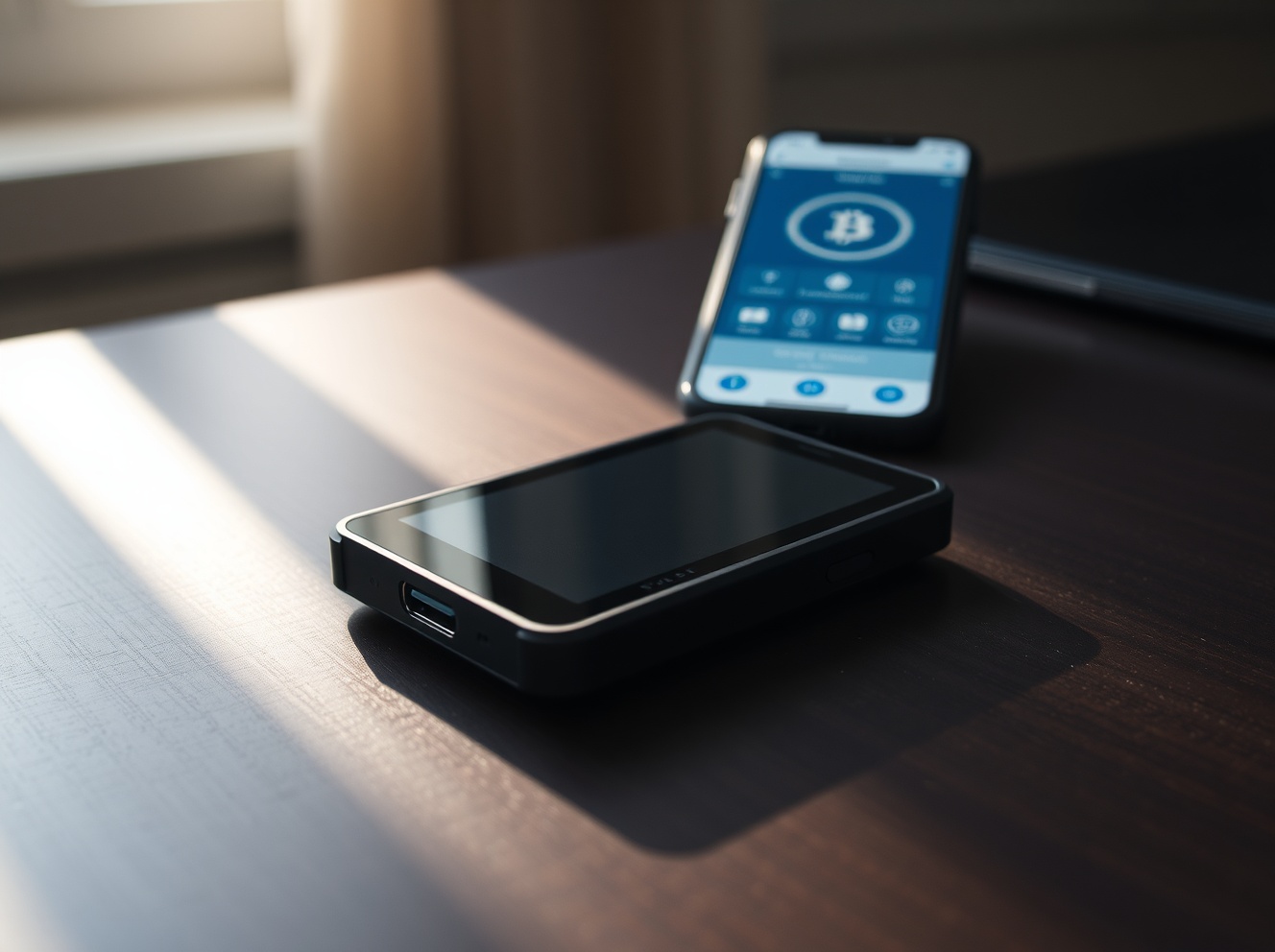 Trezor CCO challenges ZachXBT’s claim that hardware wallets are useless
Trezor Chief Communications Officer Danny Sanders has publicly pushed back against on-chain analyst ZachXBT’s recent assertion that hardware wallets are essentially useless. In an interview, Sanders acknowledged that a dedicated iPhone setup could work for experienced users but argued that an iPhone presents a broader attack surface, making hardware wallets a stronger self-custody option for the general public.
Background of the debate
The dispute began when ZachXBT, a well-known on-chain investigator, suggested that hardware wallets offer limited practical security benefits compared to properly configured smartphones. His comments, widely circulated on social media, questioned the necessity of dedicated hardware devices for storing cryptocurrency. Sanders responded directly, emphasizing that while tech-savvy individuals might secure an iPhone adequately, the average user benefits from the reduced attack surface and specialized security features of a hardware wallet.
Why hardware wallets matter for most users
Sanders highlighted that a general-purpose smartphone runs thousands of apps and services, each potentially introducing vulnerabilities. In contrast, a hardware wallet like Trezor is designed solely for securing private keys and signing transactions. This focused design minimizes exposure to malware, phishing attacks, and remote exploits. For users who are not security experts, the hardware wallet provides a simpler, more reliable path to self-custody without needing to harden a full mobile operating system.
Industry perspectives and implications
The exchange reflects a broader debate in the cryptocurrency community about the best practices for self-custody. While some advanced users advocate for “air-gapped” smartphone setups, security professionals often recommend hardware wallets for their dedicated security chips and open-source firmware. The discussion is particularly relevant as more retail investors seek to take control of their assets following recent exchange failures and hacks.
Conclusion
The Trezor CCO’s rebuttal underscores a key point: hardware wallets remain the most accessible and secure option for the majority of cryptocurrency holders. While advanced users may find alternative solutions, the average person gains significant protection by using a dedicated hardware device. The debate serves as a reminder that security choices should match the user’s technical expertise and threat model.
FAQs
Q1: Are hardware wallets completely secure?No device is 100% secure, but hardware wallets significantly reduce the attack surface by isolating private keys from internet-connected devices. They are considered one of the safest options for long-term storage.
Q2: Can a smartphone be as secure as a hardware wallet?For experienced users who take extensive security measures—like using a dedicated device, avoiding app installations, and maintaining strict operational security—a smartphone can be secure. However, for most users, the convenience of a hardware wallet outweighs the complexity of securing a smartphone.
Q3: What should a beginner choose for self-custody?Beginners are generally advised to start with a reputable hardware wallet from a trusted manufacturer. This provides a straightforward, user-friendly way to secure private keys without requiring deep technical knowledge.
This post Trezor CCO challenges ZachXBT’s claim that hardware wallets are useless first appeared on BitcoinWorld.