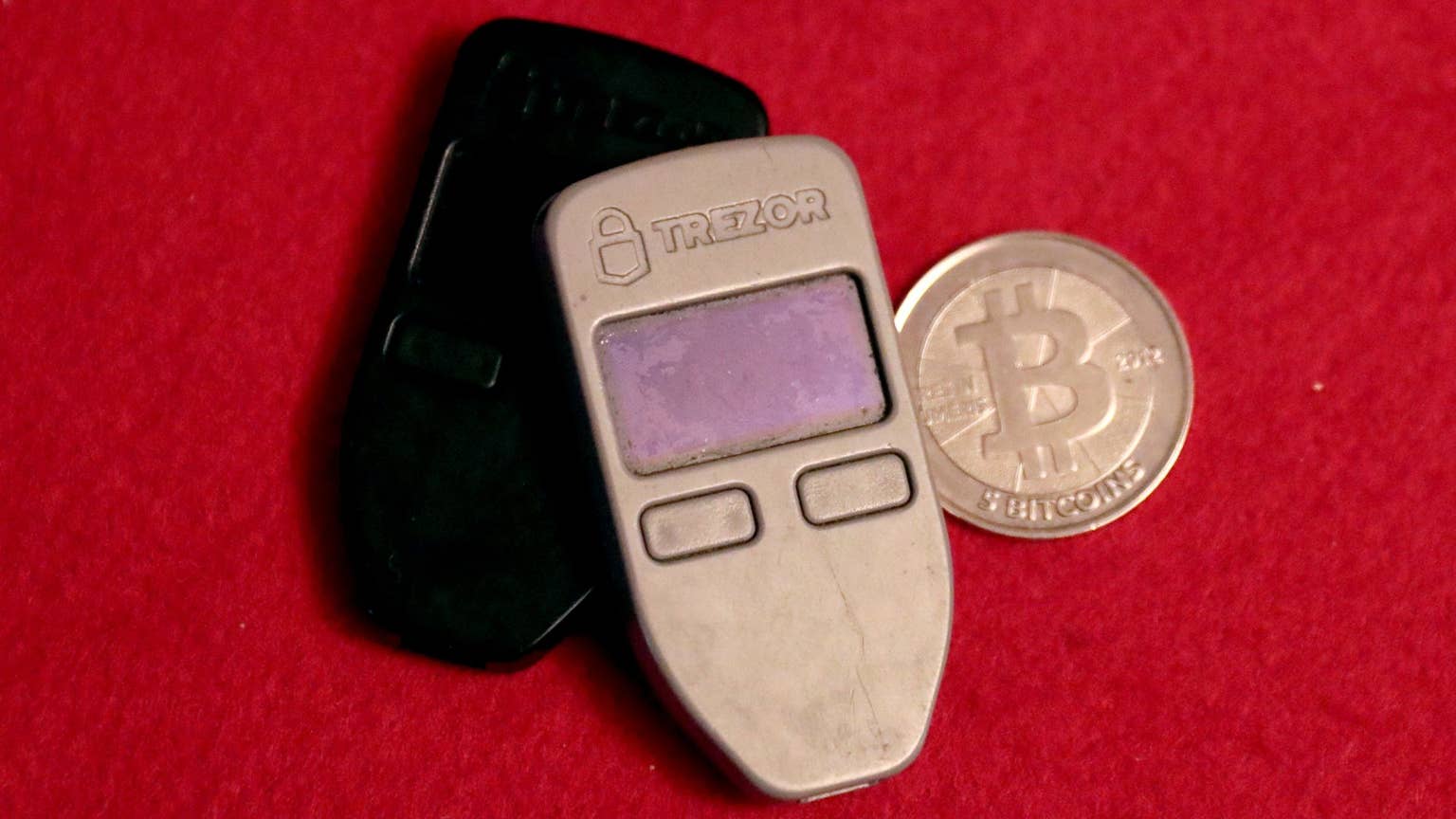
Trezor has reportedly moved to cut reseller relationships following a report from Ledger of a suspected spy implant found in crypto hardware wallets, raising immediate questions about supply-
Trezor has reportedly moved to cut reseller relationships following a report from Ledger of a suspected spy implant found in crypto hardware wallets, raising immediate questions about supply-chain integrity across the hardware security device industry.
Trezor Ends Reseller Ties After the Reported Finding
According to the reported development, Trezor severed ties with resellers after Ledger identified what it described as a spy implant present in hardware wallet devices. The precise nature of the implant, which reseller or resellers were affected, and which wallet models may be involved have not been independently confirmed at the time of writing. For related coverage, see Crypto Wallet Data Breach Exposes Nearly 40,000.
The decision to cut reseller relationships signals that Trezor views distribution-channel integrity as a central response measure. In the hardware wallet market, devices pass through a chain that includes manufacturer, distributor, reseller, and end user; each handoff is a potential point of tampering. Trezor has previously warned users about threats originating outside its direct control, including incidents tied to third-party service providers.
Ledger's role here is as the reporting party, not the affected manufacturer, based on available information. Whether the implant was found in Ledger devices, Trezor devices, or across a shared supply chain has not been confirmed by either company in verified public statements as of this writing.
Why a Suspected Implant Raises Hardware-Wallet Supply-Chain Risks
Hardware wallets are purpose-built devices that store private keys and sign Bitcoin transactions offline, keeping signing operations isolated from internet-connected systems. A physical implant introduced at any point between factory and buyer could, in theory, undermine that isolation without triggering software-based detection.
The supply chain for consumer hardware security devices is long and often opaque. Resellers may receive stock from distributors who sourced from intermediaries, meaning a compromised batch could reach buyers without any single party along the chain being aware. This is distinct from a software vulnerability, which can be patched remotely; a hardware implant requires physical inspection or device replacement. Earlier incidents show that even data breaches at peripheral service providers can expose wallet owners to targeted attacks, making device-level compromise a higher-order concern.
Trezor's reseller response, if confirmed, would represent a direct attempt to shorten and control the distribution chain. Removing intermediaries reduces the number of custody handoffs before a device reaches a buyer, which limits the window for physical interdiction or tampering. The company has previously placed users on alert after security events that originated in its ecosystem, suggesting a pattern of prioritizing direct communication when chain-of-custody questions arise.
Neither company has publicly confirmed fund losses, compromised seed phrases, or identified specific affected devices based on available reporting. The scope of the implant finding and any remediation timeline remain unclear pending official statements.
What Hardware-Wallet Buyers Should Watch for Next
Users who purchased hardware wallets through third-party resellers should monitor official channels from both Trezor and Ledger for guidance on affected product ranges and verification procedures. Both manufacturers provide device-authenticity checks, including firmware verification and anti-tamper packaging seals, that buyers can run during initial setup.
Purchasing directly from a manufacturer's official store eliminates reseller custody entirely and is the most straightforward way to reduce supply-chain exposure until the scope of this report is clarified. Users who have already set up devices through reseller channels and are concerned should review how fake security alerts have been used to misdirect users during prior incidents, and rely only on communications from verified official domains.
The broader significance for Bitcoin holders is practical: self-custody is only as strong as the integrity of the signing device. A compromised hardware wallet does not require a software exploit or network access; it only requires that the device behave differently than the user expects at the moment of a transaction. Verifying device authenticity before use, and sourcing hardware through the shortest possible chain from manufacturer to buyer, remain the baseline controls.
Further details on the reported implant, affected models, and Trezor's reseller policy are expected as both companies respond publicly. Users can also review guidance on wallet security practices in the interim.
Additional source references: source document 1, source document 2.
Disclaimer: This article is for informational purposes only and does not constitute financial or investment advice. Cryptocurrency and digital asset markets carry significant risk. Always do your own research before making decisions.
Bitcoininfonews first published the article titled Trezor Cuts Resellers After Ledger Flags Wallet Spy Implant.