Key takeaways US GDP growth revised from 3.4% to 4.3% Trump demands investigation into pre-election economic figures Stronger growth and persistent inflation complicate Fed policy US Presiden
Key takeaways
- US GDP growth revised from 3.4% to 4.3%
- Trump demands investigation into pre-election economic figures
- Stronger growth and persistent inflation complicate Fed policy
US President Donald Trump called for an immediate investigation into government economic statistics on November 26 after the Bureau of Economic Analysis (BEA) substantially revised its estimate of third-quarter US economic growth.
The latest GDP report showed that the US economy expanded at an annualized rate of 4.3% between July and September, compared with the initial estimate of 3.4% published on October 29.
Trump alleged that economic figures released before the November 3 midterm elections were deliberately understated. However, the president did not present evidence establishing that the original estimate had been manipulated.
Why Was US GDP Growth Revised to 4.3%?
The latest figures represent a considerable acceleration from the second quarter, when real GDP increased at an annualized rate of 2.2%.
According to the BEA, the upward revision primarily reflected updated information about business investment and household consumption, particularly software-related investment and retail spending.
Real final sales to private domestic purchasers, which combine household consumption with private fixed investment, increased at an annualized rate of 5.8%, compared with the initial estimate of 4.9%.
Meanwhile, corporate profits from current production increased by $206 billion during the third quarter.
GDP revisions are a standard component of economic reporting. Preliminary estimates rely on incomplete datasets, which are subsequently updated as additional information becomes available.
The third estimate of Q3 GDP is scheduled for December 23, meaning the latest figures could undergo further revisions.
Stronger US Economy Complicates Federal Reserve Outlook
The stronger growth figures arrive at a particularly sensitive moment for monetary policy.
A separate BEA inflation report published on November 25 showed that annual PCE inflation reached 3.8% in October, while core inflation stood at 3.3%.
Robust economic growth combined with persistent inflation could strengthen the case for maintaining restrictive interest rates or introducing additional monetary tightening.
Trump's proposed new tariffs on major trading partners introduce further uncertainty, particularly if higher import costs translate into increased consumer prices.
For investors, the combination challenges expectations that monetary policy could become more supportive of financial markets heading into 2027.
What Does Strong GDP Growth Mean for Stocks and Bitcoin?
Stronger economic activity can support corporate earnings, potentially improving the outlook for the S&P 500 and helping the Dow Jones sustain its recovery.
However, persistent inflation and higher interest rates could offset these benefits by increasing financing costs and reducing the present value of future corporate earnings.
This creates a particularly challenging environment for technology companies exposed to the AI infrastructure debt boom.
Wednesday's stock market selloff demonstrated how monetary and trade uncertainty can outweigh positive economic developments.
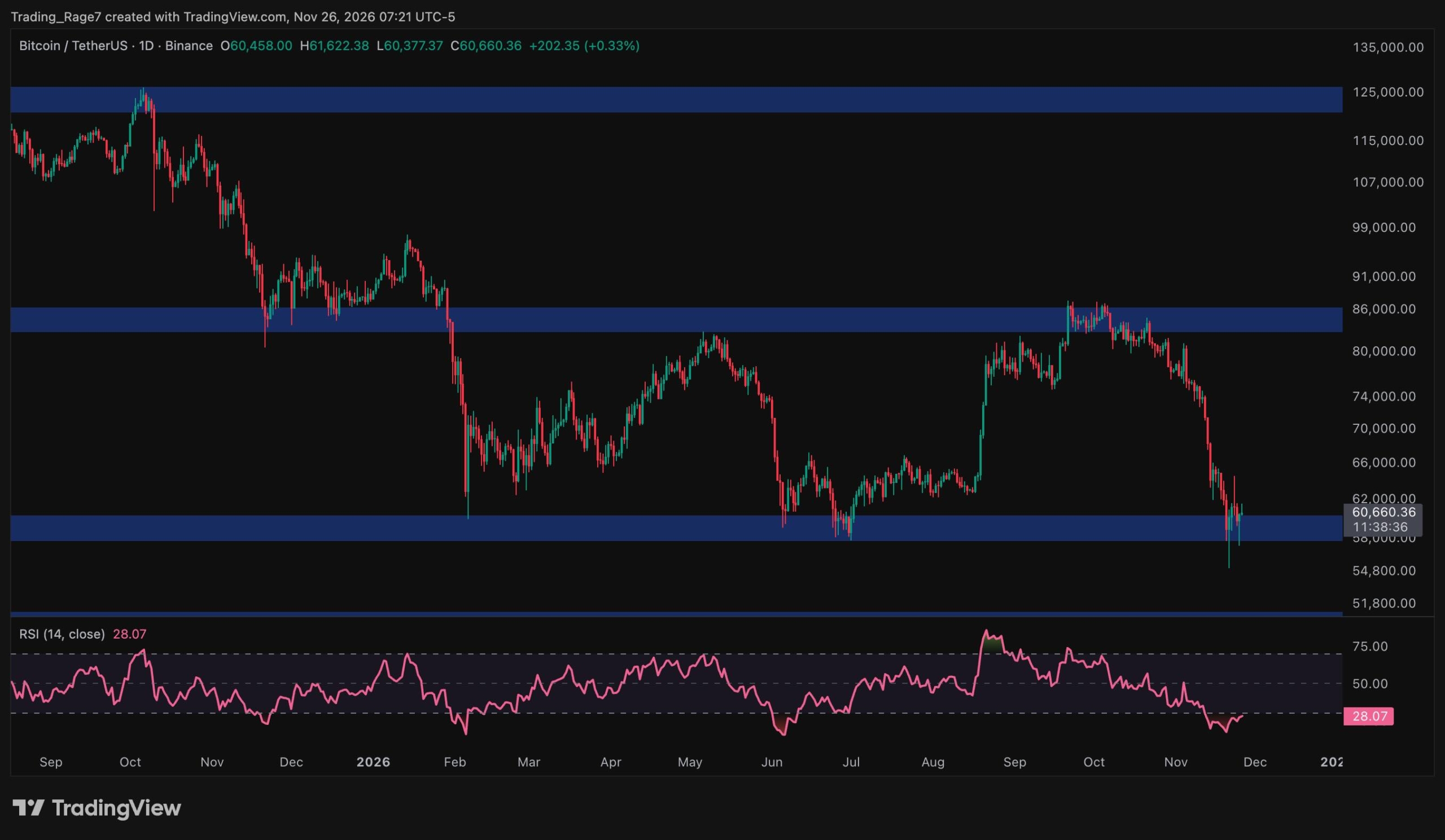
Similar pressures could affect Bitcoin and precious metals, with elevated Treasury yields potentially limiting demand for non-yielding assets.=