BitcoinWorld Trump Nominates Four to SEC, CFTC in Bipartisan Crypto Slate President Donald Trump sent four commissioner nominations to the Senate on Thursday, filling vacancies at the Securit
BitcoinWorld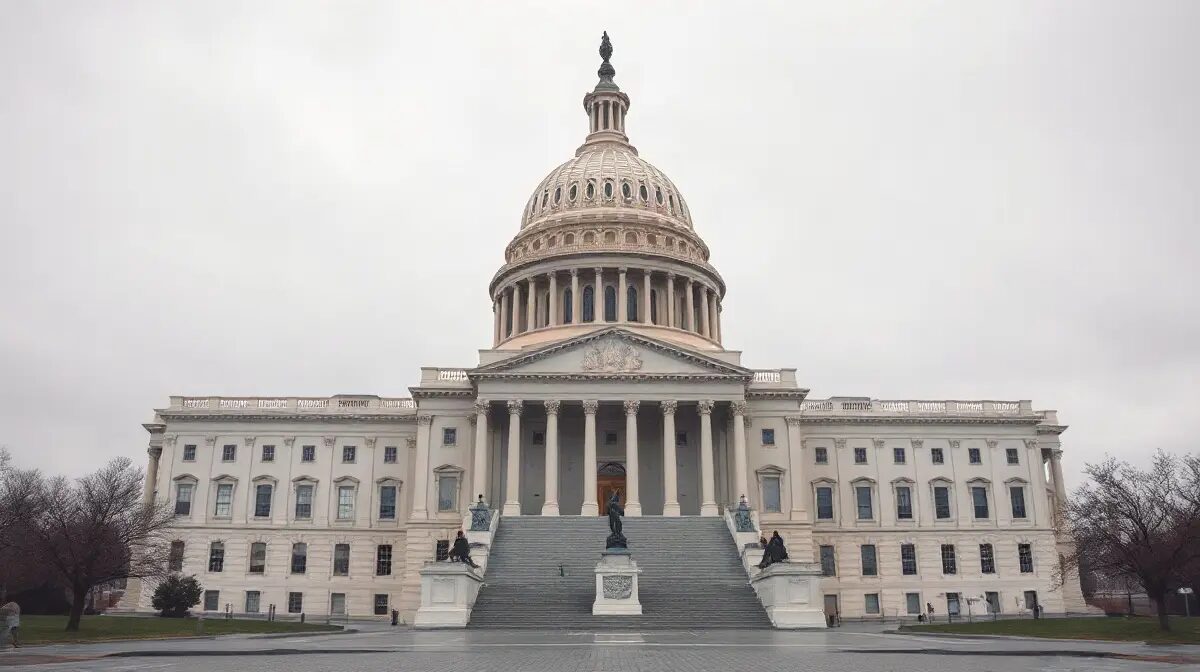 Trump Nominates Four to SEC, CFTC in Bipartisan Crypto Slate
President Donald Trump sent four commissioner nominations to the Senate on Thursday, filling vacancies at the Securities and Exchange Commission and the Commodity Futures Trading Commission with a bipartisan slate that includes his first Democratic picks for either agency, as reported by Decrypt. The White House named Nathan Anonick and Matthew Rowland for the CFTC and Kristin Johnson and Steven Levine for the SEC; each nomination requires Senate confirmation.
Trump nominated two Republicans and two Democrats to the SEC and CFTC, the first time his administration has put forward Democratic nominees for either commission. The picks would restore quorums at agencies that have driven crypto policy since the Clarity Act collapsed, but Republicans must move them through a Senate they are about to lose.
Key facts
- Anonick (Republican) and Rowland (Democrat) were nominated to the CFTC; Johnson (Democrat) and Levine (Republican) were nominated to the SEC.
- Levine would take the seat of Hester Peirce, the SEC’s most prominent crypto advocate and former head of its Crypto Task Force, who left the agency in October.
- Johnson, a former CFTC commissioner, would fill the seat held by crypto skeptic Caroline Crenshaw, whose term has expired.
- Both CFTC nominees worked on the Clarity Act, the crypto market-structure bill that collapsed in the Senate this fall.
- CFTC Chairman Michael Selig is currently the agency’s only Senate-confirmed member.
A bipartisan pairing after a year of turbulence
The two agencies have been running thin. The SEC has just two of its five commissioner seats filled, and the CFTC has been operating with Selig as its sole Senate-confirmed member after a wave of departures, even as it pursued an aggressive crypto agenda. Filling those seats would give both commissions the quorum to turn proposals into durable rules.
The nominations are the first Trump has sent for these seats in roughly a year. That gap followed turbulence around crypto appointments: the administration previously pulled its CFTC chair nominee, Brian Quintenz, amid a clash involving the Winklevoss twins.
Cointelegraph reported that Selig described the CFTC pair as “two strong bipartisan picks” and said he looked forward to working with them on confirmation. The outlet also noted that Levine’s proposed SEC term ends June 5, 2030, while Johnson’s runs to June 5, 2029 — term details that Decrypt’s account did not include.
The two CFTC nominees come from the Senate Agriculture Committee, which shares jurisdiction over crypto market structure and will vet their nominations. Anonick is legislative counsel to committee Chairman John Boozman and was a lead negotiator on the panel’s portion of the Clarity Act. Rowland is a career CFTC attorney detailed to the committee who also worked on an earlier 2024 crypto bill; his enforcement-heavy background could introduce a dissenting voice to a commission that has leaned firmly pro-industry under Selig.
On the SEC side, which the Senate Banking Committee will review, the picks cut in opposite directions. Levine’s own views on digital assets are not well established publicly, making his votes a key variable for whether the SEC’s crypto-friendly push holds. Johnson, at the CFTC, focused on digital-asset custody and DeFi and pressed for stronger customer protections and conflict-of-interest rules.
Why it matters
The nominations land after the failure of the Clarity Act, the industry’s marquee market-structure bill, which would have set rules for most of crypto. With legislation stalled, the SEC and CFTC moved to fill the vacuum through their own authority — the CFTC has cleared perpetual futures on individual stocks, floated bringing crypto exchanges under federal oversight and moved to define event contracts as swaps, while the SEC rolled out an innovation exemption for tokenized stocks, proposed rules letting investment advisers custody crypto and issued guidance suggesting most crypto assets aren’t securities. A fully staffed pair of commissions would cement that regulator-led approach rather than a legislative one.
The timing echoes other disputes over crypto-adjacent appointments this month; separately, Kalshi ended Donald Trump Jr.’s advisory role over a Polymarket deal.
What to watch
The Senate Banking Committee and Senate Agriculture Committee will review the SEC and CFTC nominations respectively before a full Senate vote requiring a majority. With Democrats set to take control in January, Republicans have only a short lame-duck stretch to move the slate.
Market snapshot
Bitcoin traded at $66,755 (₹6,292,643) on November 14, 2026, down 2.5% over 24 hours and 12.1% over seven days, with a market cap of $1.34 trillion and 24-hour volume of $25.38 billion, according to CoinPaprika data fetched at 04:52 UTC.
Frequently Asked Questions
Who did Trump nominate to the SEC and CFTC?
Nathan Anonick and Matthew Rowland were nominated to the CFTC, while Kristin Johnson and Steven Levine were nominated to the SEC. Anonick and Levine are Republicans; Rowland and Johnson are Democrats.
Whose seats would the SEC nominees fill?
Levine would take the seat of crypto advocate Hester Peirce, who left the agency in October, while Johnson would replace crypto skeptic Caroline Crenshaw, whose term has expired.
Why is the confirmation timetable tight?
Democrats are set to take control of the Senate in January, leaving Republicans only a short lame-duck stretch to move the slate before the political calculus changes.
What is the Clarity Act and why does it matter here?
The Clarity Act was a crypto market-structure bill that collapsed in the Senate this fall. Both CFTC nominees worked on it, and its failure pushed the SEC and CFTC to write crypto rules through their own authority.
This post Trump Nominates Four to SEC, CFTC in Bipartisan Crypto Slate first appeared on BitcoinWorld.