The Bank of England is testing stablecoin and digital pound interoperability in trade finance. Stablecoin card spending has reached $759 million a month globally. The CLARITY Act remains unpa
- The Bank of England is testing stablecoin and digital pound interoperability in trade finance.
- Stablecoin card spending has reached $759 million a month globally.
- The CLARITY Act remains unpassed, with a Senate procedural vote now set for September.
- CZ told the ASEAN Tech Summit that every country will eventually need its own stablecoin.
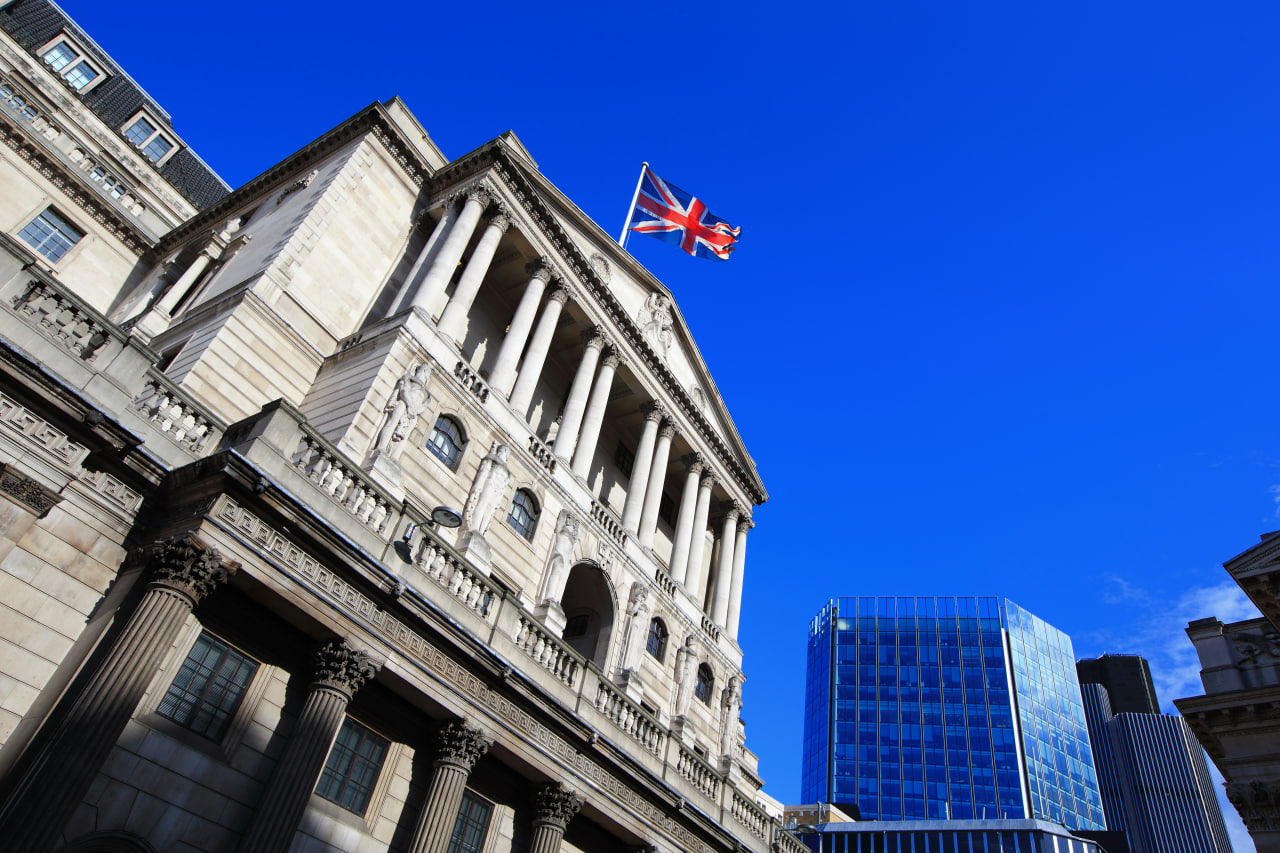
The Bank of England opened Phase 2 of its Digital Pound Lab this month, working with Polygon Labs, NOBO Finance, and Dun & Bradstreet to test whether a public stablecoin and a prospective digital pound can settle transactions on the same rail without conflict. The pilot recreates an invoice factoring scenario: an exporter receives an advance through a stablecoin payment almost immediately after shipping, while the UK importer settles the remaining balance later using a simulated digital pound. A second track under the same pilot builds portable credit profiles for small exporters, combining transaction history and business intelligence data from Dun & Bradstreet so a company can prove its creditworthiness to a new trading partner without starting from scratch.
Nothing in the lab touches real money. Polygon Labs was careful to note that its involvement carries no promise about what a live digital pound will eventually look like. The Bank of England is not asking whether stablecoins belong in UK trade finance; it has already accepted that they do, having replaced individual wallet caps for systemic stablecoins with a temporary £40 billion issuance limitearlier this year. What it is testing now is how a sovereign digital currency would sit alongside private stablecoins rather than compete against them.
The Volume Behind the Policy Question
The Bank of England is not experimenting in a vacuum. Monthly stablecoin card spending reached $759 million in July 2026, up from under $5 million in late 2023, according to a16z data tracking programs including RedotPay, EtherFi, and KAST. Users spend stablecoins anywhere a traditional card is accepted, with funds converting into local currency automatically at checkout.
Nov 2023 Under $5m Nov 2024 Roughly $160m Nov 2025 Roughly $515m Jul 2026 $759 million
That growth curve did not wait for a finished regulatory framework anywhere. It grew inside whatever gaps existed in each jurisdiction, which is exactly the dynamic that turns stablecoin policy from a technical question into a competitive one between governments.
The US Has a Bill It Cannot Pass
The CLARITY Act, meant to give the US a clear statutory line separating which digital assets fall under SEC versus CFTC jurisdiction, remains unpassed months after clearing committee. The Senate filed cloture on the bill on August 8, setting up a procedural vote in September, but that step opens debate rather than deciding passage. The holdup is not really about stablecoins specifically. Lawmakers disagree over broader market structure questions, and stablecoin issuers operating in the US are left working under a patchwork of state money transmitter licenses and the earlier GENIUS Act framework rather than the more comprehensive rulebook CLARITY was designed to provide. Every month the bill sits idle is a month US-based issuers compete against counterparts in jurisdictions that have already finished writing their rules.
United States CLARITY Act unpassed, Senate procedural vote set for September. Issuers rely on state money transmitter licenses and the earlier GENIUS Act. No comprehensive framework yet United Kingdom £40 billion systemic stablecoin issuance cap in place. Digital Pound Lab is actively testing interoperability. Framework set, live pilots running
Stablecoin technology itself is not the constraint here. Settlement in minutes instead of days has been possible for years. What separates jurisdictions now is whether regulators have decided how that speed fits into their existing financial system, and that decision is political rather than technical. The US delay is not evidence that lawmakers doubt stablecoins work; it reflects unresolved disagreement over which federal agency gets oversight and how tightly issuers should be tied to bank-style capital requirements. The UK sidestepped that fight by setting an issuance cap first and testing interoperability second, which let its central bank start gathering operational data while the legislative question of what a British stablecoin regime looks like long-term stays open.
CZ Says the Fragmentation Is Just Getting Started
On July 31, Binance founder Changpeng Zhao told an audience at the ASEAN Tech Summit that stablecoin infrastructure will eventually split along national lines, with each country building or backing its own version rather than relying on a handful of dollar-pegged tokens issued elsewhere. He tied the shift to two pressures building at once: demand for faster cross-border payment rails and the growing use of stablecoins to settle AI-driven transactions. Blockchain projects that ignore regulators, he argued, will lose out to the ones building compliance into their design from the start.
CZ’s comment reframes what the Bank of England is doing and what Congress is failing to do. A country cannot make an informed decision about issuing its own stablecoin, or approving private issuers, without first understanding how that instrument interacts with existing payment rails, credit systems, and its own currency. The UK pilot generates exactly that kind of evidence. The CLARITY Act, still unpassed, generates none. If CZ is right, the jurisdictions running structured tests now will be the ones writing the rules other countries copy later.
The practical question for the second half of 2026 is which model other central banks follow. A UK-style approach lets a country run controlled trade finance pilots while a broader legislative framework is still being written. A US-style approach ties everything to a single comprehensive bill and stalls when that bill stalls. The consortium’s next milestone is publishing results from this testing phase, feeding into the Bank of England’s still-open decision on whether a retail digital pound gets built at all. For SMEs engaged in cross-border trade, the more immediate signal is that both regulators and infrastructure providers are treating faster settlement and portable credit history as solvable problems rather than permanent features of trade finance.
The post UK Central Bank Tests Stablecoin Rails for Trade Finance appeared first on ETHNews.