After three years operating in "constrained banking corridors" with UN agencies and NGOs, Alejandro Guzman, head of strategic operations at Coala Pay argues stablecoins have become the most r
After three years operating in "constrained banking corridors" with UN agencies and NGOs, Alejandro Guzman, head of strategic operations at Coala Pay argues stablecoins have become the most reliable cross-border settlement rail for the world's hardest aid environments.
Guzman is a 15-year United Nations (UN) veteran whose field deployments include South Sudan, Somalia, and Afghanistan, and Coala Pay was founded by former frontline aid workers.
"What we've really seen proven, particularly through stablecoin infrastructure, is that stablecoins as cross border settlement instruments are an incredible solution to overcome constrained banking corridors,” he said in a recent interview with TheStreet Roundtable.
Related: Solstice launches SLX token for fast-growing Solana yield ecosystem
People who need aid often cannot receive it
The aid sector shifted from in-kind assistance (food, supplies) to cash assistance over the past decade, which made payment infrastructure central to every operation.
Coala Pay's clients are UN agencies and international non-governmental organizations (NGOs) handling treasury operations across up to 180 countries, including Sudan, Yemen, Syria, and Afghanistan.
"The banking corridor and its corresponding banking network as a settlement infrastructure and their compliance posture naturally wasn't built for the aid sector,” Guzman explained.
Even when sanctions exemptions exist under Office of Foreign Assets Control (OFAC) or the UN Security Council, bank compliance teams routinely decline to process the payment, a structural breakdown that aid agencies cannot work around.
A real-world example: Afghanistan
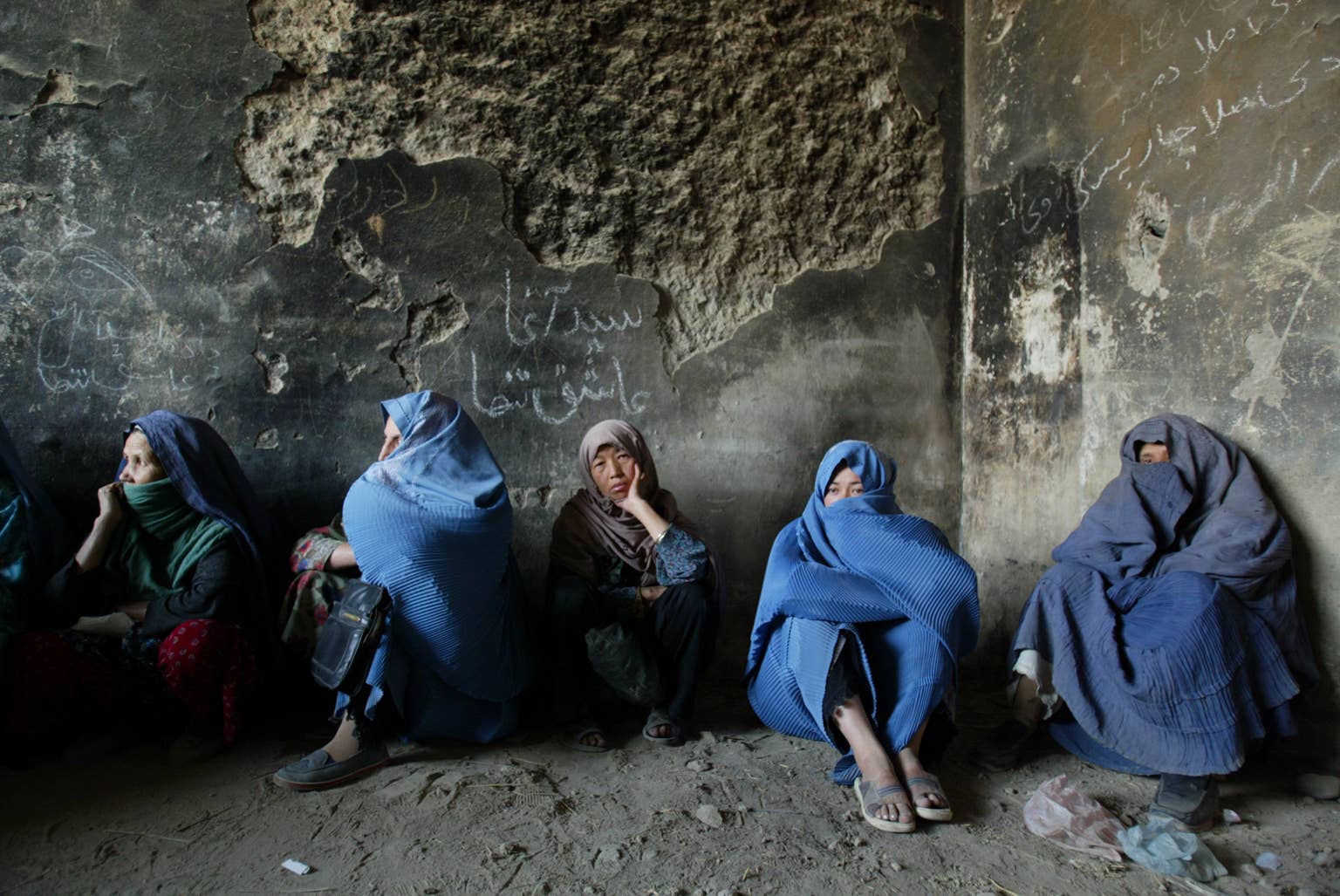
Guzman landed in Afghanistan six weeks after the U.S. withdrawal in 2021, one of the first internationals back in the country.
He was there to ensure a $4 to $5 billion multi-country trust fund was properly distributed. The aid was intended for items like health clinics, schools, and basic needs for more than 20 million people.
The money was sitting in fiat treasury accounts at large banks in New York and Geneva.
"The banking corridor just shut down, fully, black box, nothing, no exemptions. We have a regulated sanctions exemption regime under OFAC and under the UN Security Council that allows you to legally do it, but banking compliance teams tend to just say, ‘not worth the risk,” Guzman said.
The workaround was physically flying pallets of cash into Afghanistan, an expensive and time consuming process.
"If I could go back in time now and bring back the clock of one stablecoin, smart contract and digital payment infrastructure to 2021 when I landed in Kabul, I can assure you those planes wouldn't have been landing with those pallets,” Guzman exclaimed.
More news:
The stablecoin fix
Coala Pay is built entirely on stablecoin infrastructure. In Guzman’s opinion, this is the only thing that consistently clears in constrained corridors. The pilots have already started producing results.
In Syria, Mercy Corps’ stablecoin programs have decreased delivery times by a whopping 96%, while simultaneously pushing costs down by 60%.
A separate Afghanistan pilot with HesabPay using a local Afghani-pegged stablecoin cut delivery costs by 29% and shaved 10 hours off payment time, with 98% of participants preferring stablecoin payments over cash.
The World Food Programme and the UN Refugee Agency have now both moved portions of their disbursements onto dollar-denominated stablecoins.
The bull case for stablecoins among retail investors is usually framed as a TradFi disruption story. Coala Pay's experience suggests the more durable use case flies in the face of this thesis, demonstrating crypto may not replace functioning banking, but filling the gap where banking has refused to operate.