BitcoinWorld Uniswap Founder: Tokenization Is Reshaping Liquidity, Could Make AMMs Central to Markets Uniswap founder Hayden Adams said real-world asset tokenization is dismantling traditiona
BitcoinWorld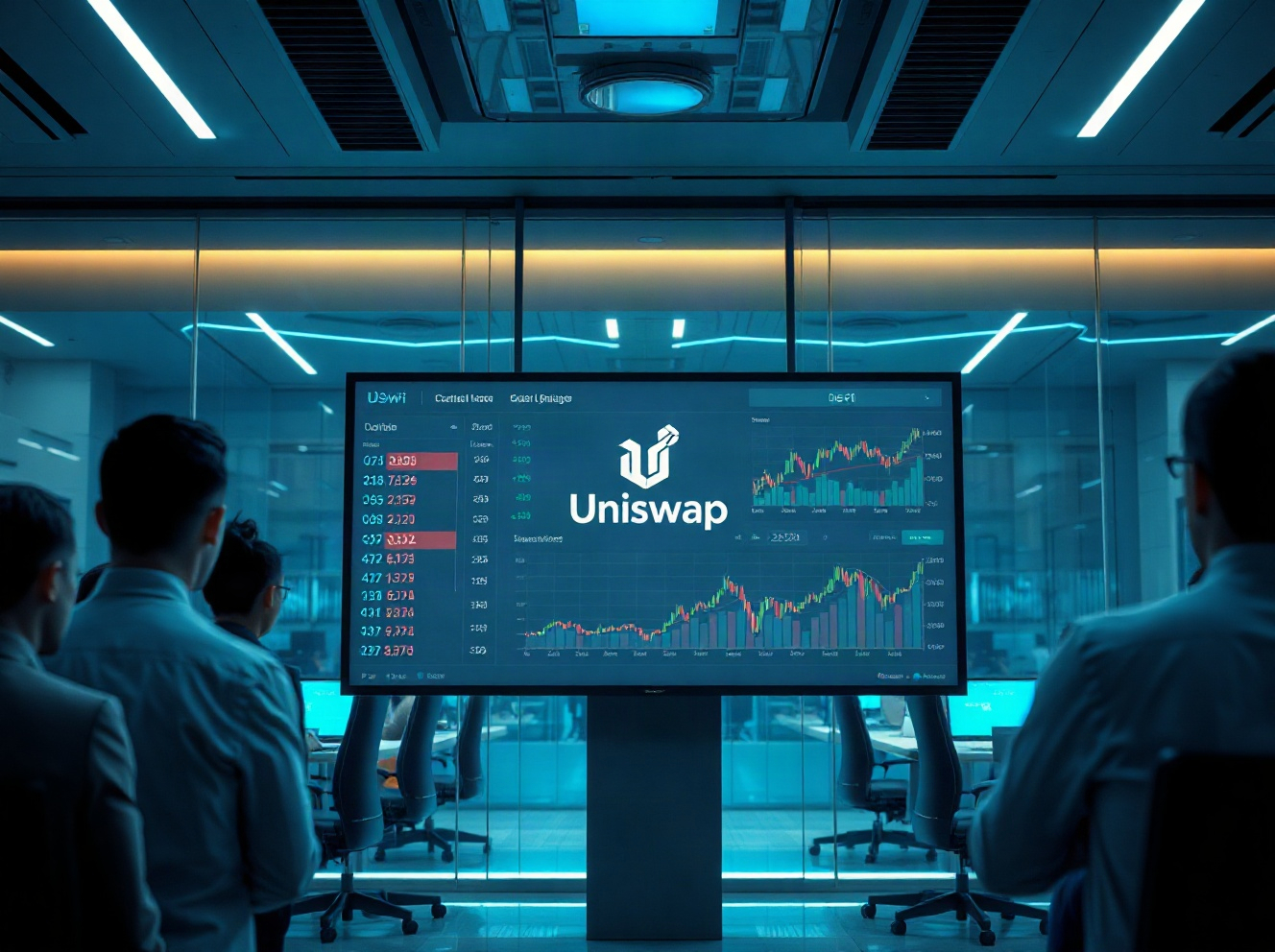 Uniswap Founder: Tokenization Is Reshaping Liquidity, Could Make AMMs Central to Markets
Uniswap founder Hayden Adams said real-world asset tokenization is dismantling traditional market-making structures and could make automated market makers, or AMMs, central to financial markets. In a post on X, Adams argued that tokenization is not just an infrastructure upgrade but a fundamental shift in how liquidity is provided and which assets are traded.
Tokenization Moves Beyond Infrastructure
Adams highlighted that the U.S. Securities and Exchange Commission has approved stock token trading by Nasdaq and the New York Stock Exchange, while the Depository Trust & Clearing Corporation has also conducted live trading tests. These developments suggest that tokenized securities are moving from experimental to practical, with regulatory backing.
Unlike traditional market makers that rely on order books and intermediaries, blockchain-based systems allow capital to flow more freely. Adams pointed to a Uniswap pool on the Robinhood Chain containing 10 stock tokens and SPY, an ETF tracking the S&P 500, which recorded $33 million in trading volume in just 12 days. That volume demonstrates real user demand and liquidity formation outside conventional venues.
Why AMMs Could Become Core Infrastructure
Automated market makers use algorithms to price assets and provide liquidity without needing a central counterparty. This design reduces friction and lowers barriers for a broader range of assets, including tokenized stocks, bonds, and funds. Adams described AMMs as an early-stage technology with significant room for development, suggesting that current limitations—such as capital efficiency and slippage—may be addressed as the technology matures.
The shift is significant because traditional market-making is often concentrated among a few large firms, while AMMs allow anyone to contribute liquidity. If tokenized securities gain wider adoption, AMMs could become a primary venue for trading them, potentially increasing market access and reducing costs.
What This Means for Traders and Investors
For everyday traders, the rise of AMMs could mean more efficient access to tokenized assets, with lower spreads and 24/7 trading. For institutions, it could reduce settlement times and operational overhead. However, risks remain, including smart contract vulnerabilities, regulatory uncertainty, and the need for robust price oracles.
Adams’ comments align with broader industry trends. Major exchanges and clearinghouses are exploring tokenization, and projects like Ondo Finance and BlackRock’s BUIDL fund are already issuing tokenized funds. The convergence of traditional finance and decentralized protocols is accelerating, and AMMs are positioned to play a pivotal role.
Conclusion
Hayden Adams’ remarks underscore a growing consensus that tokenization will transform market structure. With regulatory approval and live trading tests, the foundation is being laid for a more open, efficient financial system. While AMMs are still evolving, their potential to democratize liquidity makes them a key technology to watch in the coming years.
FAQs
Q1: What is an automated market maker (AMM)?An AMM is a decentralized exchange protocol that uses mathematical formulas to price assets and provide liquidity. Instead of matching buyers and sellers, users trade against a liquidity pool funded by other users.
Q2: How is tokenization different from traditional finance?Tokenization converts real-world assets like stocks, bonds, or real estate into digital tokens on a blockchain. This allows for faster settlement, fractional ownership, and programmability, reducing the need for intermediaries.
Q3: Are tokenized stocks legal in the U.S.?Yes, but under strict regulatory oversight. The SEC has approved trading of tokenized stocks on platforms like Nasdaq and NYSE, and the DTCC is testing settlement. However, each tokenized product must comply with securities laws.
This post Uniswap Founder: Tokenization Is Reshaping Liquidity, Could Make AMMs Central to Markets first appeared on BitcoinWorld.