BitcoinWorld US Dollar Index Rebounds as Middle East Peace Hopes Fade; Inflation Data Next The US Dollar Index (DXY) staged a notable rebound during Monday’s trading session, recovering from
BitcoinWorld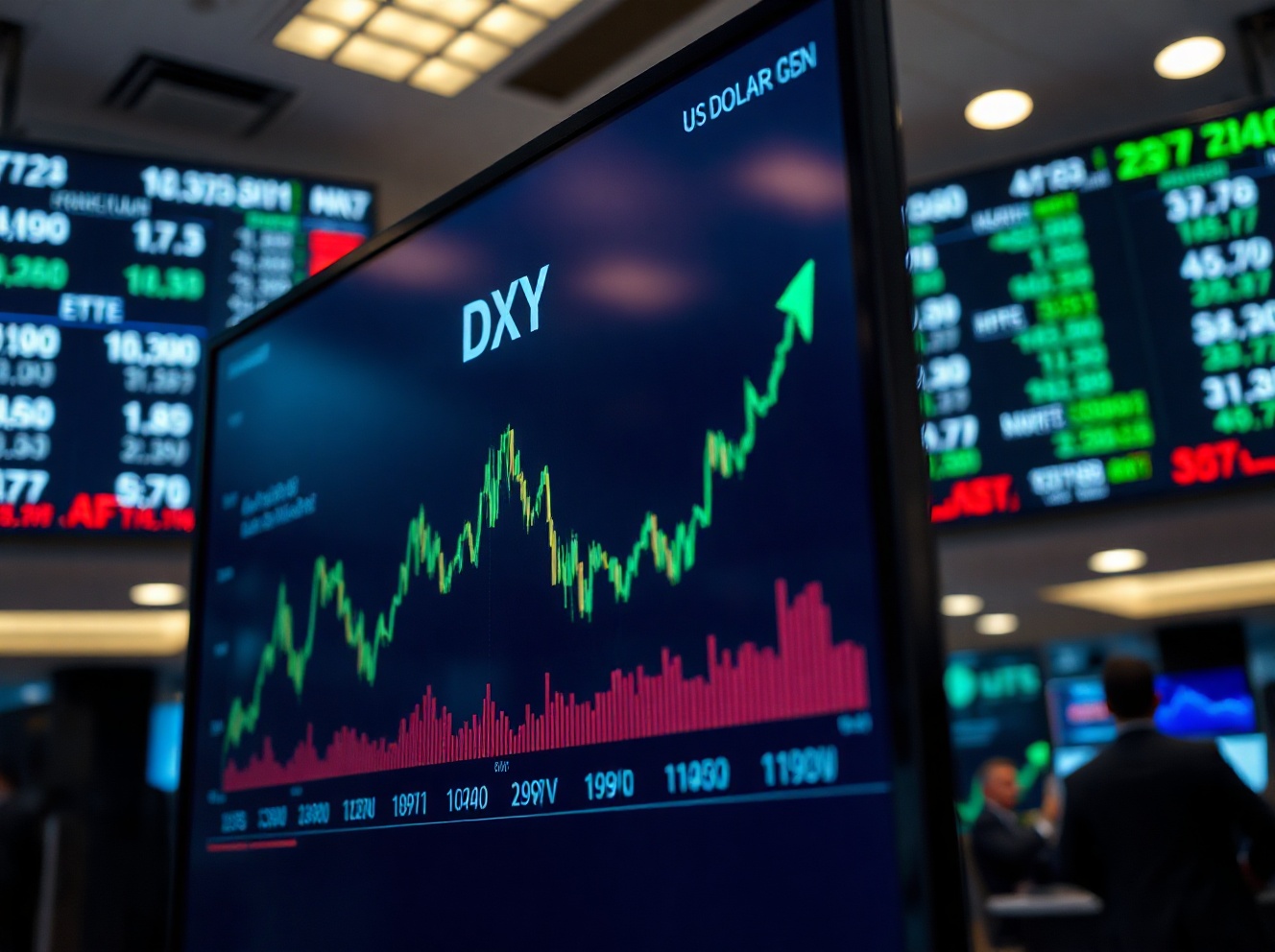 US Dollar Index Rebounds as Middle East Peace Hopes Fade; Inflation Data Next
The US Dollar Index (DXY) staged a notable rebound during Monday’s trading session, recovering from recent losses as optimism over a potential ceasefire in the Middle East waned. The shift in sentiment drove demand for the greenback as a safe-haven asset, reversing some of the dollar’s earlier weakness. Market participants are now turning their attention to upcoming US inflation data, which could provide further clues on the Federal Reserve’s next policy moves.
Middle East Peace Hopes Fade
Over the weekend, reports emerged that mediated talks aimed at de-escalating tensions in the Middle East had stalled, with key parties failing to reach a consensus on a temporary truce. The breakdown in negotiations reignited geopolitical uncertainty, prompting investors to rotate back into traditional safe-haven currencies like the US dollar and the Japanese yen. The dollar index, which measures the greenback against a basket of six major currencies, rose approximately 0.3% in early trading, recovering from a multi-week low set last Friday.
Analysts noted that the market’s reaction was measured but clear, as fading hopes for a diplomatic resolution reduced appetite for riskier assets. The dollar’s rebound was also supported by a slight uptick in US Treasury yields, as traders adjusted positions ahead of key economic releases.
Inflation Data in Focus
With geopolitical developments taking center stage early in the week, the focus is now shifting to the US consumer price index (CPI) report for January, scheduled for release later this week. Economists expect the headline inflation rate to show a modest decline, but core inflation—excluding food and energy—is anticipated to remain sticky, reflecting persistent price pressures in services and housing.
The inflation data is critical for the Federal Reserve, which has maintained a cautious stance on rate cuts. A hotter-than-expected reading could reinforce the ‘higher for longer’ narrative, potentially providing additional support for the dollar. Conversely, a softer print might revive expectations of rate cuts later this year, which could cap the dollar’s gains.
Market Implications
The interplay between geopolitical risk and monetary policy expectations is creating a complex trading environment. The dollar’s safe-haven appeal is likely to remain sensitive to any developments in the Middle East, while the inflation report will test the resilience of the current rebound. Traders are also monitoring technical levels on the DXY, with the 104.00 mark acting as immediate resistance, while support is seen near 103.30.
For investors, the key takeaway is that the dollar’s trajectory in the near term will be shaped by two competing forces: geopolitical uncertainty that supports safe-haven flows, and the Fed’s policy path driven by inflation data. Both factors require close attention in the days ahead.
Conclusion
The US Dollar Index has rebounded as fading Middle East peace hopes revived safe-haven demand, but the sustainability of this move hinges on the upcoming US inflation report. Markets are bracing for potential volatility, with the data likely to influence expectations for Federal Reserve policy. As always, geopolitical developments remain unpredictable, adding an extra layer of complexity to currency markets.
FAQs
Q1: What is the US Dollar Index (DXY)?The US Dollar Index (DXY) measures the value of the US dollar relative to a basket of six major foreign currencies: the euro, Japanese yen, British pound, Canadian dollar, Swedish krona, and Swiss franc. It is widely used as a benchmark for the dollar’s overall strength in global markets.
Q2: Why does the dollar rise when Middle East peace hopes fade?Geopolitical uncertainty often drives investors toward safe-haven assets, including the US dollar, gold, and government bonds. When peace hopes diminish, the risk of conflict escalation increases, prompting capital flows into assets perceived as stable and liquid.
Q3: How could US inflation data affect the dollar?If inflation remains high, the Federal Reserve may keep interest rates elevated or delay rate cuts, which tends to support the dollar by attracting yield-seeking capital. Lower inflation, on the other hand, could fuel expectations of rate cuts, which typically weighs on the currency.
This post US Dollar Index Rebounds as Middle East Peace Hopes Fade; Inflation Data Next first appeared on BitcoinWorld.