BitcoinWorld US Dollar Index Stalls as Market Shrugs Off Hawkish Non-Voters The US Dollar Index (DXY) has stalled in recent trading sessions, as market participants appear to be ignoring hawk
BitcoinWorld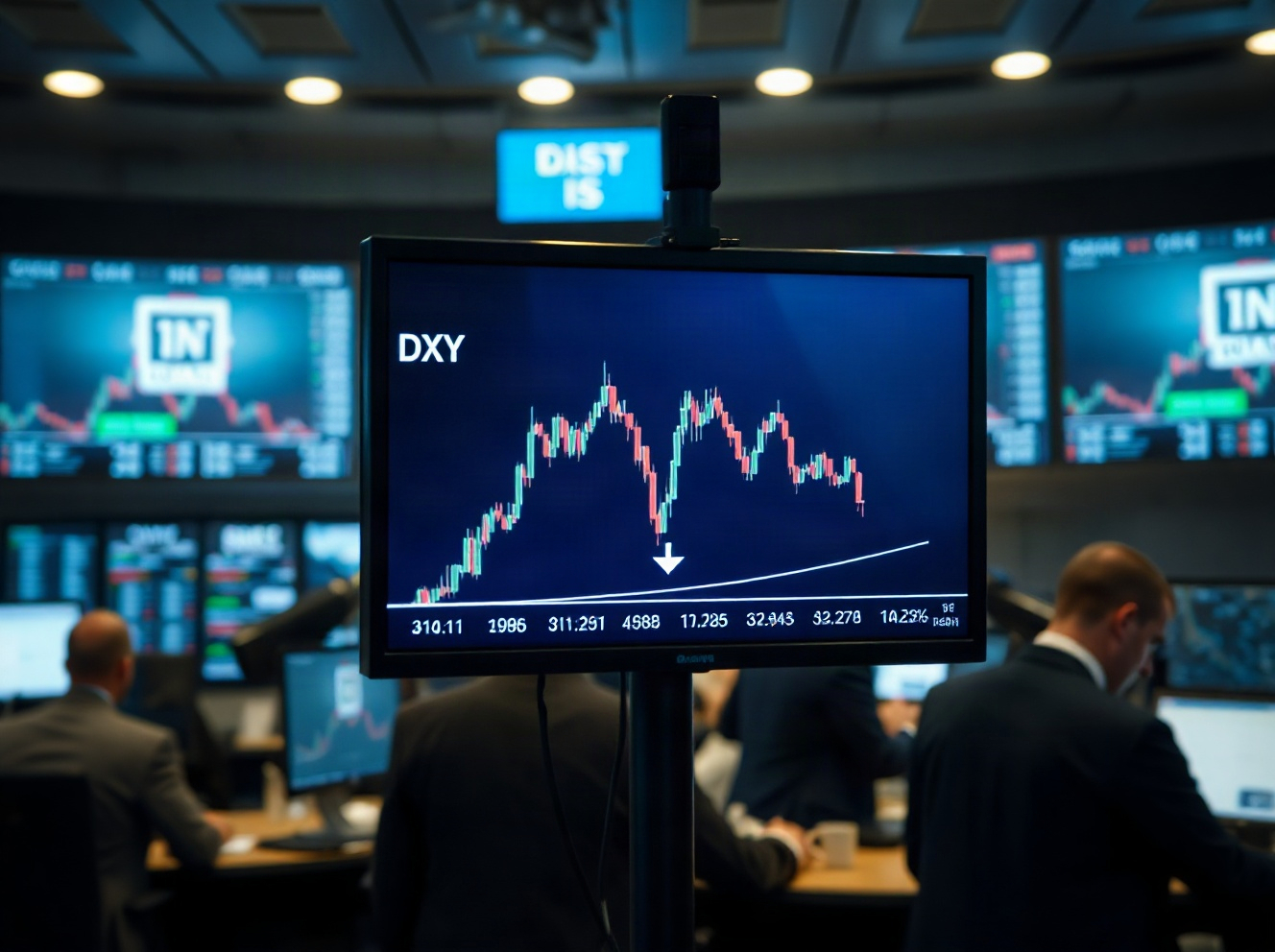 US Dollar Index Stalls as Market Shrugs Off Hawkish Non-Voters
The US Dollar Index (DXY) has stalled in recent trading sessions, as market participants appear to be ignoring hawkish comments from Federal Reserve officials who do not currently hold a vote on the Federal Open Market Committee (FOMC). This divergence highlights a growing focus on the actual voting members and their policy stance, rather than the broader chorus of regional Fed presidents whose influence on near-term policy is limited.
Market Focus Shifts to Voting Members
The recent price action in the dollar index suggests that traders are differentiating between policymakers who will participate in the next FOMC meeting and those who will not. This is a subtle but important shift, as markets typically react to the aggregate tone of Fed speakers. However, with the next FOMC decision approaching, the market is now paying closer attention to the preferences of voting members, who have a direct say in interest rate decisions.
As of mid-2025, the FOMC has maintained a data-dependent approach, with several voting members emphasizing the need for more evidence that inflation is sustainably moving toward the 2% target. In contrast, some non-voting regional Fed presidents have recently voiced more hawkish opinions, suggesting that rates may need to stay higher for longer. Yet, the dollar’s muted response to these comments indicates that investors are not treating these views as representative of the committee’s likely actions.
Implications for the Dollar and Global Markets
The dollar’s inability to gain traction despite hawkish rhetoric could have several implications. For one, it may signal that the market believes the Fed is closer to a pivot than some officials suggest. This is reflected in interest rate futures, which have priced in a certain probability of rate cuts later this year, even as some policymakers push back against such expectations.
For global markets, a softer dollar can provide relief to emerging market currencies and commodities, which tend to weaken when the dollar strengthens. Conversely, if the market is underestimating the Fed’s resolve to keep rates higher, a sudden shift in expectations could trigger volatility across asset classes.
Why This Matters to Investors
For investors, the key takeaway is the importance of distinguishing between the various voices within the Federal Reserve. While all Fed officials contribute to the overall policy debate, it is the voting members who ultimately determine the path of interest rates. Understanding this nuance can help investors make more informed decisions about currency exposure and portfolio positioning.
Moreover, the dollar’s recent behavior underscores the market’s forward-looking nature. Rather than reacting to every headline, traders are increasingly focusing on the likely outcomes of upcoming meetings, based on the data and the stated positions of voting members.
Conclusion
In summary, the US Dollar Index’s recent stall suggests that markets are becoming more discerning in their interpretation of Federal Reserve communications. By focusing on the views of voting members rather than the broader pool of regional presidents, traders are aligning their positions more closely with the actual policy trajectory. This dynamic is likely to persist as the FOMC navigates a complex economic landscape, making it essential for market participants to monitor not just what Fed officials say, but who is saying it.
FAQs
Q1: What is the US Dollar Index (DXY)?The US Dollar Index (DXY) measures the value of the US dollar against a basket of six major currencies: the euro, Japanese yen, British pound, Canadian dollar, Swedish krona, and Swiss franc. It is a widely used benchmark for the dollar’s overall strength in global markets.
Q2: Why do non-voting Fed officials matter?Non-voting Fed officials, such as regional bank presidents who are not current FOMC voters, can still influence market sentiment through their public statements. However, their impact on actual policy decisions is limited, as they do not participate in the vote at FOMC meetings. Markets may therefore weigh their comments differently than those of voting members.
Q3: How can investors use this information?Investors can use the distinction between voting and non-voting Fed officials to better anticipate policy moves. By focusing on the views of voting members and the economic data they emphasize, investors can refine their expectations for interest rate changes and adjust their currency and fixed-income strategies accordingly.
This post US Dollar Index Stalls as Market Shrugs Off Hawkish Non-Voters first appeared on BitcoinWorld.
