The U.S. Office of the Comptroller of the Currency has approved Circle's plan to establish a national trust bank, marking a significant regulatory milestone for the company behind the USDC st
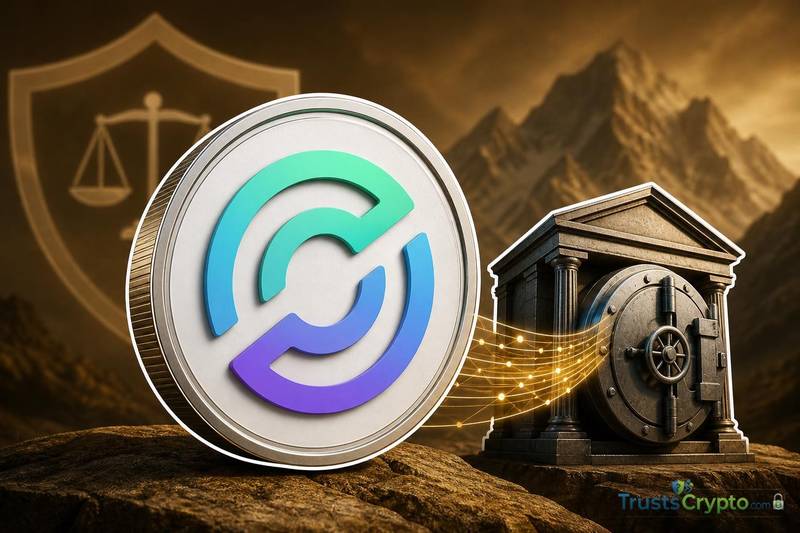
The U.S. Office of the Comptroller of the Currency has approved Circle's plan to establish a national trust bank, marking a significant regulatory milestone for the company behind the USDC stablecoin.
Circle confirmed the decision in a press release announcing it had received final OCC approval to establish the bank. The approval grants Circle a federal banking charter specifically structured as a national trust bank, a regulated entity type that can provide fiduciary and custody services under direct federal oversight. For related coverage, see SEC Approves Nasdaq Bitcoin Index Options Trading: What It Means.
The OCC filing for Circle's application is listed in the agency's public records. The Wall Street Journal also reported on the approval, describing it as authorization to launch a crypto-focused bank.
What a national trust bank charter means for Circle
A national trust bank operates under OCC supervision and is authorized to perform fiduciary activities, including custody of assets and management of reserves. Unlike a full-service commercial bank, a trust bank does not take deposits or make loans in the traditional sense. For related coverage, see SEC Approves T. Rowe Price Multi-Asset Crypto ETF.
For Circle, the charter creates a federally regulated structure around its stablecoin operations. USDC is one of the largest dollar-pegged stablecoins in circulation, and operating through a nationally chartered trust bank positions Circle's reserve management and custody functions within a recognized federal framework.
This is not the first time the OCC has moved on crypto-related trust bank applications. Sony recently received conditional OCC approval for its own trust bank focused on the U.S. stablecoin market, signaling that the agency is actively processing applications from digital asset companies seeking federal charters.
Why the OCC's role matters here
The OCC is the primary federal regulator for nationally chartered banks and federal savings associations. Its approval carries weight because it subjects the chartered entity to ongoing federal examination, capital requirements, and compliance obligations.
The agency issued Bulletin 2026-4, which provides additional context on the regulatory framework surrounding these types of charter approvals. For crypto firms, obtaining a national trust bank charter represents a move toward operating within the same supervisory structure as traditional financial institutions.
The approval comes during a period of increased regulatory clarity for digital assets in the United States. The OCC's willingness to grant charters to crypto-native companies, alongside broader moves on trust banks and tokenization, suggests a more formalized path is emerging for stablecoin issuers seeking federal oversight.
Potential implications for stablecoins and institutional adoption
Circle's federal charter could strengthen institutional confidence in USDC. Banks, asset managers, and payment processors that require regulated counterparties may find it easier to integrate USDC into their operations when the issuer holds a national trust bank charter.
The move also sets a precedent for competing stablecoin issuers. If federally chartered trust banks become the expected standard for stablecoin reserve management, other issuers may face pressure to pursue similar structures or risk being seen as less regulated alternatives.
It is worth noting that the approval itself does not automatically change how USDC functions for existing users. The stablecoin's peg mechanics, blockchain availability, and redemption processes are operational matters that depend on Circle's implementation, not on the charter alone.
FAQ about Circle's OCC approval
What is a national trust bank? A national trust bank is a federally chartered institution supervised by the OCC that is authorized to perform fiduciary services such as asset custody and reserve management. It differs from a full-service bank in that it does not take traditional deposits or issue loans.
Does this approval affect USDC holders immediately? Not directly. The charter governs Circle's corporate and regulatory structure rather than the day-to-day functionality of USDC. Holders should not expect changes to how the stablecoin operates on supported blockchains as an immediate result of the approval.
What happens next? Circle will need to meet ongoing OCC supervisory requirements, including capital adequacy standards and regular examinations. The company may also use the charter as a foundation for expanding regulated services, though specific plans beyond the trust bank structure have not been confirmed in the approval itself.
Disclaimer: This article is for informational purposes only and does not constitute financial or investment advice. Cryptocurrency and digital asset markets carry significant risk. Always do your own research before making any investment decisions.
Read original article on trustscrypto.com