The United States government has sanctioned BitBank, an Iranian cryptocurrency exchange, along with its software developer. The action, announced by the Treasury Department's Office of Foreig
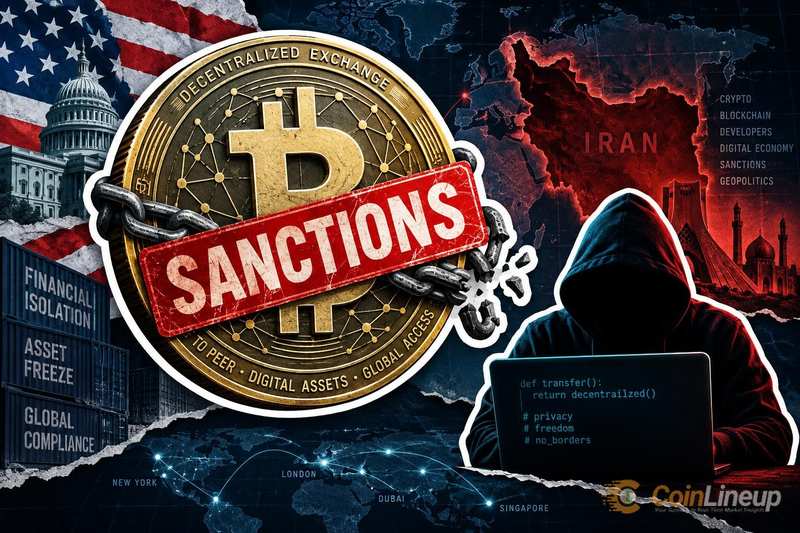
The United States government has sanctioned BitBank, an Iranian cryptocurrency exchange, along with its software developer. The action, announced by the Treasury Department's Office of Foreign Assets Control (OFAC), alleges that the targets were linked to the transfer of hundreds of millions of dollars, with reported ties to Iran's Islamic Revolutionary Guard Corps (IRGC).
Key Takeaways
- BitBank, an Iranian crypto exchange, and its software developer were both named in the US sanctions action.
- The alleged links involve hundreds of millions of dollars, according to the announcement listed on the OFAC recent actions page.
- The alleged connections to the IRGC remain allegations at this stage, not proven findings.
What the Sanctions Against BitBank Allege
OFAC, the US Treasury office responsible for enforcing economic and trade sanctions, published the action on January 30, 2025. Both BitBank as an exchange and its software developer are named as designated targets. For related coverage, see U.S. Treasury Sanctions Iranian Crypto Exchanges Nobitex, Bitpin, Ramzinex, and Wallex.
According to reporting by CryptoSlate, the alleged activity centers on Bitcoin transfers connected to the IRGC. The IRGC is Iran's most powerful military and intelligence organization, already subject to broad US sanctions. The allegations suggest BitBank processed or facilitated transfers involving hundreds of millions of dollars for sanctioned parties. For related coverage, see Reuters Report Raises Nobitex Sanctions Scrutiny.
It is important to note that sanctions designations are based on government allegations. They are not criminal convictions. The targets are presumed to contest the designation unless they agree to cooperate with OFAC's review process. For related coverage, see US Blacklists Iranian Maritime Scheme Using Bitcoin Tolls.
This action fits a broader pattern of US enforcement against Iranian crypto platforms. The Treasury has previously targeted other Iranian exchanges, including Nobitex, Bitpin, Ramzinex, and Wallex, over similar allegations of helping sanctioned entities move value through cryptocurrency.
When OFAC designates an entity, any US person or company that does business with that entity can face penalties. For crypto platforms operating globally, this means screening for sanctioned addresses and counterparties is not optional; it is a legal requirement.
The inclusion of a software developer alongside the exchange itself is notable. It signals that US regulators are willing to pursue individuals who build tools used to circumvent sanctions, not just the platforms that operate them. This extends potential legal exposure beyond exchange operators to developers in the ecosystem.
The Treasury has also previously sanctioned an Iranian maritime firm over Bitcoin payments and expanded Iran-related crypto sanctions to procurement networks, showing a consistent effort to cut off Iran's access to crypto-based financial channels.
For everyday crypto holders, the direct impact is minimal unless they were using BitBank or transacting with its wallets. However, this kind of action can prompt major exchanges to do additional compliance sweeps, which may temporarily affect users with connections to Iranian IP addresses or payment rails.
If you hold crypto on a major regulated exchange, your platform is already required to screen for sanctioned addresses. The practical step is simply to stay informed through your exchange's official communications if you believe any of your activity may have touched affected addresses.
Disclaimer: This article is for informational purposes only and does not constitute financial or investment advice. Cryptocurrency and digital asset markets carry significant risk. Always do your own research before making decisions.
Read original article on coinlineup.com