The U.S. Treasury has sanctioned two Iranian maritime firms it says were central to an IRGC-linked insurance network operating around the Strait of Hormuz—an arrangement the Treasury claims u
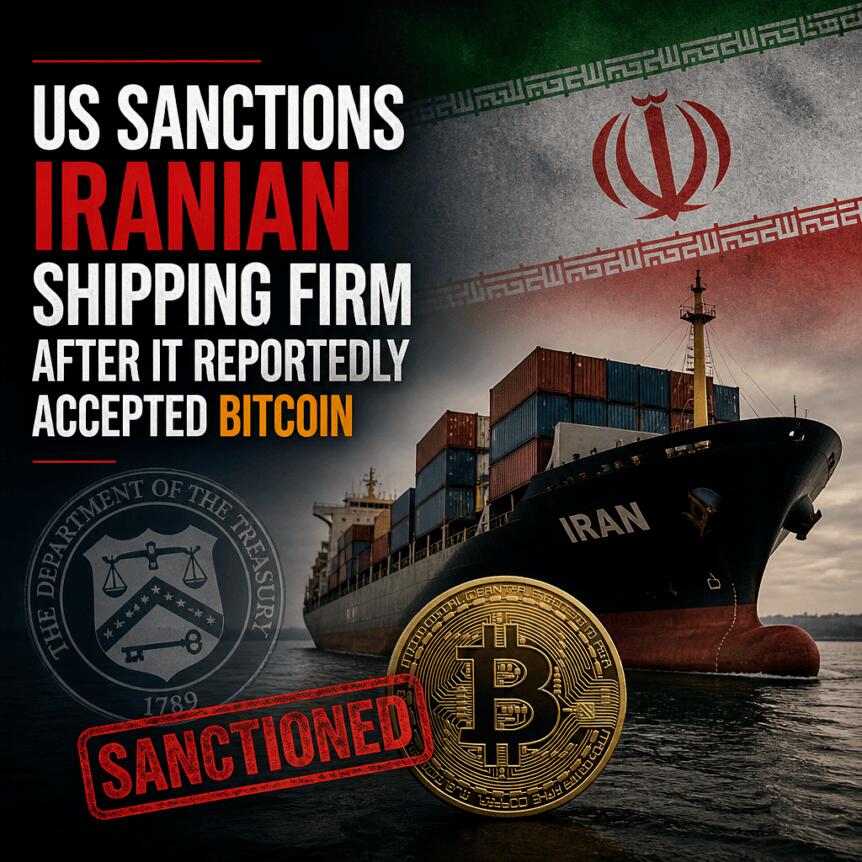
The U.S. Treasury has sanctioned two Iranian maritime firms it says were central to an IRGC-linked insurance network operating around the Strait of Hormuz—an arrangement the Treasury claims used cryptocurrency payments, including Bitcoin (BTC), to help Iran bypass Western sanctions.
According to the Treasury’s Office of Foreign Assets Control (OFAC), Persian Gulf Marine Insurance Company and HormuzSafe Marine Services Authority were designated for operating in Iran’s financial sector. OFAC says the network required commercial vessels to purchase “approved coverage” before transiting the strategic waterway.
Key takeaways
- OFAC sanctioned Persian Gulf Marine Insurance Company and HormuzSafe Marine Services Authority for helping an alleged IRGC-backed maritime insurance system.
- OFAC alleges HormuzSafe accepted Bitcoin and other digital assets as part of efforts to evade U.S. sanctions.
- The Treasury says the scheme helped generate revenue for the IRGC and increased Iranian leverage over shipping through the Strait of Hormuz.
- The action follows earlier reports about Iran considering a Bitcoin-based maritime insurance platform.
- OFAC also sanctioned eight additional companies linked to Iran’s shadow fleet and identified eight vessels as blocked property.
OFAC’s sanctions target an insurance mechanism tied to Strait of Hormuz transit
In an OFAC announcement released via the U.S. Treasury, the agency said the designated firms were “integral” to what it described as an IRGC-backed insurance network. The Treasury’s claim is that the network functioned as a gatekeeper for maritime traffic: commercial vessels would need to buy coverage that met the network’s requirements before moving through the Strait of Hormuz.
From an investor and market perspective, the important point is less about a single payment rail and more about control of a chokepoint. The Strait of Hormuz is widely cited as handling roughly one-fifth of global oil trade, meaning even incremental changes to how transit insurance is structured can have outsized implications for shipping compliance costs and energy-market risk perceptions.
Crypto payments alleged: why Treasury focused on Bitcoin
OFAC specifically alleged that HormuzSafe accepted BTC and other cryptocurrencies as part of an effort to “evade sanctions.” The Treasury’s position is that the platform generated revenue on behalf of the IRGC while helping Iran exert greater influence over shipping through the strait.
While sanctions announcements do not establish operational details for every reported component of such systems, this designation matters because it highlights how U.S. authorities believe digital assets can reduce the effectiveness of traditional compliance barriers. Bitcoin is decentralized and, unlike some centrally issued stablecoins, does not have an issuer that can selectively freeze funds. That distinction has been a recurring theme in U.S. crypto enforcement actions and in related reporting about how sanctioned entities look for payment options that are harder to block at the source.
Earlier coverage had suggested that Iran was exploring mechanisms that could include crypto in oil-related settlement processes, though the reporting also noted a lack of onchain evidence at the time for completed Bitcoin payments. OFAC’s latest action indicates that U.S. authorities believe the maritime insurance angle is no longer merely speculative.
The sanctions follow an information trail that began with public online references to HormuzSafe. On May 18, screenshots of the HormuzSafe website circulated online, describing a “digital insurance” service for maritime cargo with policies payable in Bitcoin. At the time, reports characterized the effort as potentially being under consideration, and the site reportedly appeared inaccessible when checked.
Additional context from state-linked media, as carried in earlier reporting, suggested the platform could issue marine insurance policies and certificates of financial responsibility and possibly generate substantial revenue. In the current Treasury action, OFAC has moved from describing a potential concept to sanctioning entities it says were already part of an actionable IRGC-backed network.
OFAC’s statement also comes amid broader U.S. measures targeting Iran-linked crypto activity. In April, U.S. authorities froze $344 million in USD Tether (USDT) stablecoin linked to Iran, underscoring that Treasury views digital assets as a persistent enforcement challenge when sanctions evasion is involved.
Broader enforcement: shadow fleet links and blocked vessels
This round of sanctions was not limited to the two maritime insurance firms. Alongside Persian Gulf Marine Insurance Company and HormuzSafe Marine Services Authority, OFAC sanctioned eight companies it linked to Iran’s “shadow fleet” and identified eight vessels as blocked property.
Taken together, the actions suggest the Treasury is mapping the maritime compliance ecosystem: not only ship operators and vessels, but also the insurance or financial services layered around them. If vessels must obtain specific coverage to transit a strategic route, insurance providers and related platforms can become leverage points—commercially and strategically.
Treasury Secretary Scott Bessent framed the move as a response to Iran using shipping to generate funds for the IRGC. “The United States will not allow Iran to hold global commerce hostage,” he said, according to the Treasury statement.
For markets and shipping participants, the immediate watch item is how insurers, ship operators, and compliance teams respond to these designations—especially whether alternative coverage arrangements emerge for transiting vessels and whether additional related entities are targeted next. Longer term, the key uncertainty remains whether crypto-based payment rails will expand across other sanctioned maritime services beyond the specific structure OFAC outlined this week.
This article was originally published as US Sanctions Iranian Shipping Firm After It Reportedly Accepted Bitcoin on Crypto Breaking News – your trusted source for crypto news, Bitcoin news, and blockchain updates.