Key Points US Treasury's OFAC designated BitBank as a priority Iranian digital asset target today. The action is part of Operation Economic Outcast, targeting Iran's crypto-based sanctions ev
Key Points
US Treasury's OFAC designated BitBank as a priority Iranian digital asset target today. The action is part of Operation Economic Outcast, targeting Iran's crypto-based sanctions evasion. BitBank joins a broader list of Iranian entities using digital assets to circumvent US sanctions. The designation exposes any US person transacting with BitBank to potential civil and criminal liability.
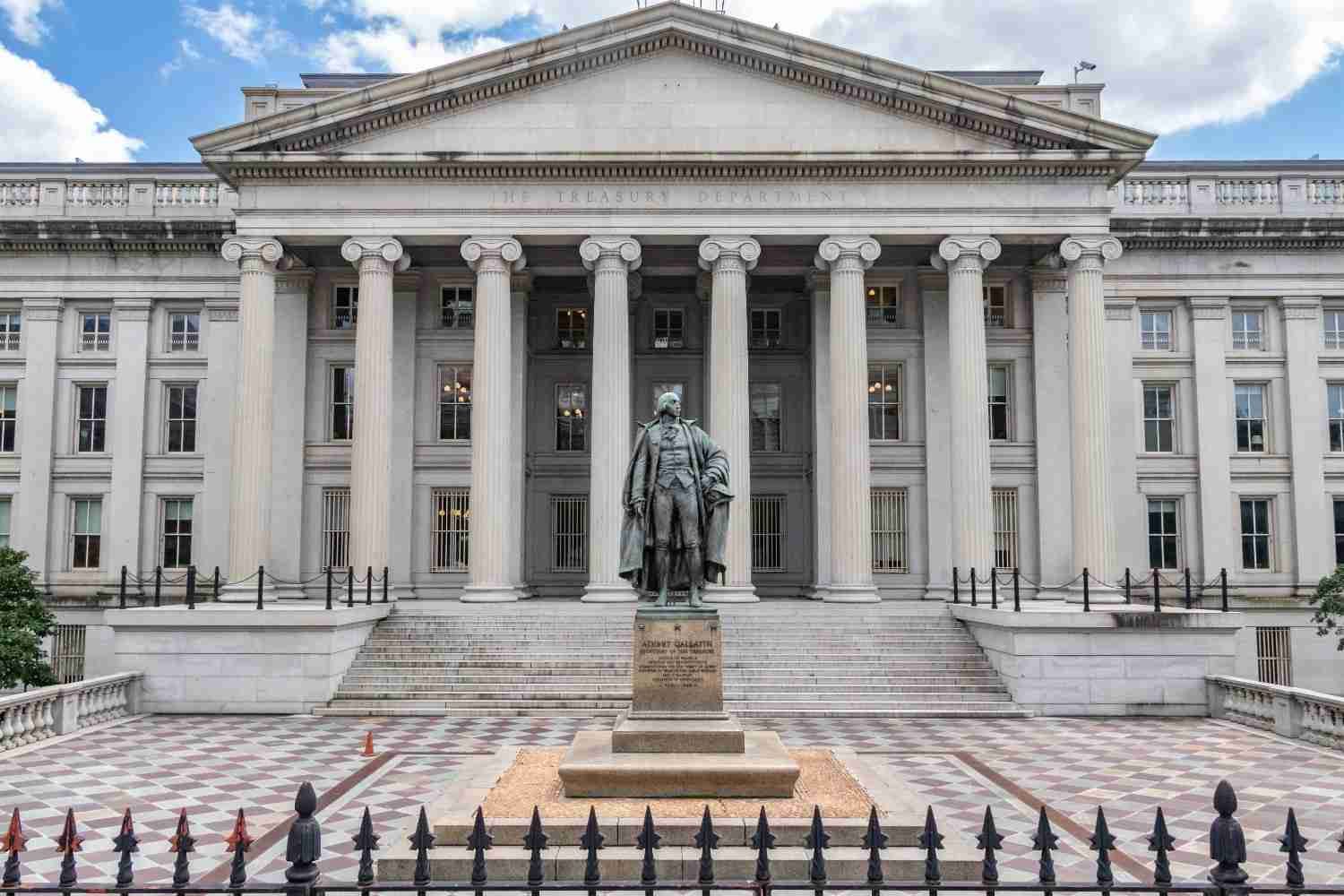
The US Treasury Department's Office of Foreign Assets Control designated BitBank, an Iran-linked digital asset firm, as part of Operation Economic Outcast on Sep. 17. The action targets what Treasury describes as Iran's digital-asset-based sanctions evasion infrastructure.
Treasury announced the designation in a post on X, identifying BitBank as a priority target within the broader Iranian sanctions evasion network.
What The Designation Covers
OFAC's action covers key components of Iran's digital-asset infrastructure. The designation of BitBank follows the standard OFAC process. Any US person or entity transacting with designated parties faces exposure to civil penalties. Non-US persons risk secondary sanctions consequences for material support.
Operation Economic Outcast is an ongoing Treasury initiative. It targets foreign actors who use Bitcoin (BTC) and other digital assets to move value outside the reach of US financial controls. Iran has been a recurring subject of such actions. Digital asset channels have grown as a workaround since traditional banking access was severed.
Also Read: Bitget Reserve Proofs Now Cover Bitcoin, Dogecoin, Pi And 16 More Assets
Recent History
OFAC has steadily expanded its crypto enforcement toolkit. The agency sanctioned several Iran-linked crypto exchanges and wallet addresses in prior actions going back to 2021. In more recent months, Treasury has moved toward targeting infrastructure layers rather than individual wallets. That shift means payment processors, exchange operators, and liquidity providers now face higher designation risk.
The Federal Reserve issued a warning this hour about scam emails impersonating the central bank. The timing is coincidental, but both actions reflect heightened concern over the integrity of financial messaging channels.
Sanctions designations do not automatically freeze crypto assets. They prohibit US persons from transacting with named parties. Enforcement of on-chain activity requires separate legal action or exchange cooperation. Major US-based exchanges are required to screen wallets against OFAC lists under existing compliance obligations.
The scope of BitBank's operations was not detailed in Treasury's announcement. Yellow is monitoring for a formal OFAC press release with additional entity names and transaction data.
Read Next: Tesla Stakes Its Oct. 1 Roadster Reveal Against Wall Street's Margin Math