BitcoinWorld USD/JPY Breaches 162, Marking a Nearly 40-Year High as Yen Weakens Sharply The U.S. dollar surged past the 162 yen threshold on [insert date if known, otherwise omit], reaching l
BitcoinWorld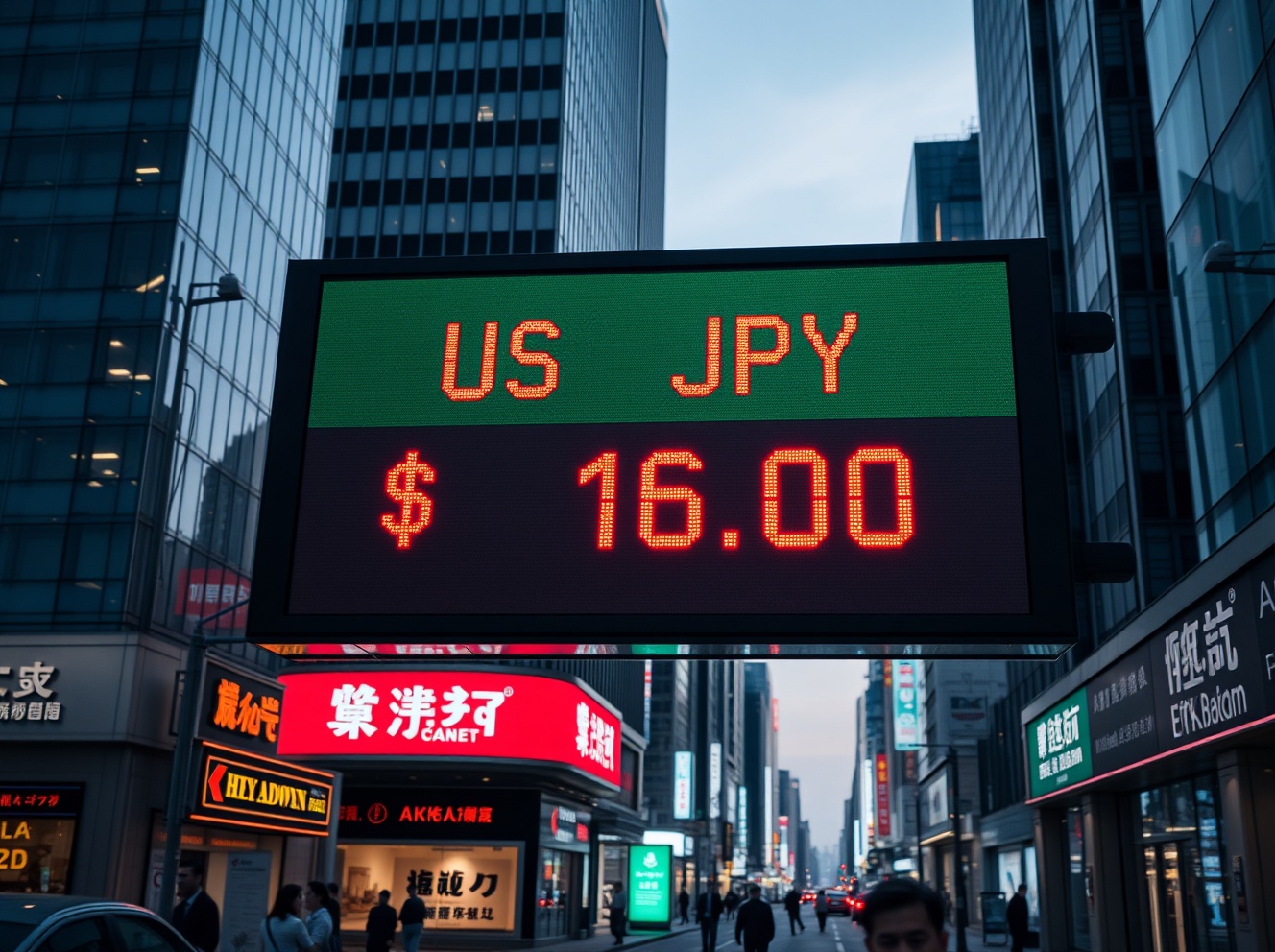 USD/JPY Breaches 162, Marking a Nearly 40-Year High as Yen Weakens Sharply
The U.S. dollar surged past the 162 yen threshold on [insert date if known, otherwise omit], reaching levels not seen since December 1986. This nearly 40-year high underscores the persistent downward pressure on the Japanese yen, driven by a wide interest rate gap between the United States and Japan and ongoing market expectations of further monetary tightening by the Federal Reserve.
Why the Yen Is Under Pressure
The yen’s slide to 162 per dollar reflects a combination of structural and cyclical factors. The Bank of Japan has maintained ultra-low interest rates, even as the Federal Reserve has aggressively raised rates to combat inflation. This divergence has made dollar-denominated assets more attractive, encouraging investors to sell yen and buy dollars. The move past 162 represents a psychological milestone for currency traders and signals that the yen’s weakness may persist in the near term.
Market and Economic Implications
A weaker yen has mixed consequences for Japan’s economy. On one hand, it boosts the competitiveness of Japanese exports and inflates the value of overseas profits for multinational corporations. On the other hand, it raises the cost of imported energy, food, and raw materials, adding to inflationary pressures on Japanese households and businesses. The Japanese government and the Bank of Japan have signaled concern over the pace of the decline, though direct intervention in currency markets remains a sensitive and rarely used tool.
What This Means for Global Investors
The USD/JPY exchange rate is one of the most closely watched currency pairs in global markets. A sustained move above 162 could trigger further volatility in Asian equities, bond markets, and carry trades. Investors are now closely watching for any verbal or policy signals from Japanese authorities, as well as upcoming U.S. economic data that could influence the Fed’s next moves.
Historical Context
The last time the dollar traded at 162 yen was in December 1986, a period when Japan’s economy was still riding the asset price bubble of the late 1980s. The subsequent years saw the yen strengthen dramatically, eventually reaching a record high near 80 yen per dollar in 2011. The current trajectory marks a stark reversal of that long-term trend.
Conclusion
The breach of the 162 level is a significant milestone in currency markets, reflecting deep structural differences between U.S. and Japanese monetary policy. While the yen’s weakness offers some benefits to exporters, it also raises the cost of living for Japanese consumers and adds uncertainty to global financial markets. Traders and policymakers alike are now watching for the next potential inflection point.
FAQs
Q1: Why is the yen weakening so sharply against the dollar?The primary driver is the interest rate differential between the U.S. and Japan. The Federal Reserve has raised rates to combat inflation, while the Bank of Japan has kept rates near zero, making the dollar more attractive to investors.
Q2: Has the Japanese government intervened to support the yen?Japanese authorities have issued verbal warnings and conducted sporadic interventions in the past, but direct market intervention is rare and has had limited long-term impact. As of now, no official intervention has been confirmed at the 162 level.
Q3: What does a weaker yen mean for Japanese consumers?A weaker yen increases the cost of imported goods, including energy, food, and raw materials, which can lead to higher inflation and reduced purchasing power for households. However, it can also benefit export-oriented industries and tourism.
This post USD/JPY Breaches 162, Marking a Nearly 40-Year High as Yen Weakens Sharply first appeared on BitcoinWorld.