Republican sponsors added new restrictions and a state-attorney-general role, but Warren argues that the structure would still let the executive branch decide whether those restrictions have
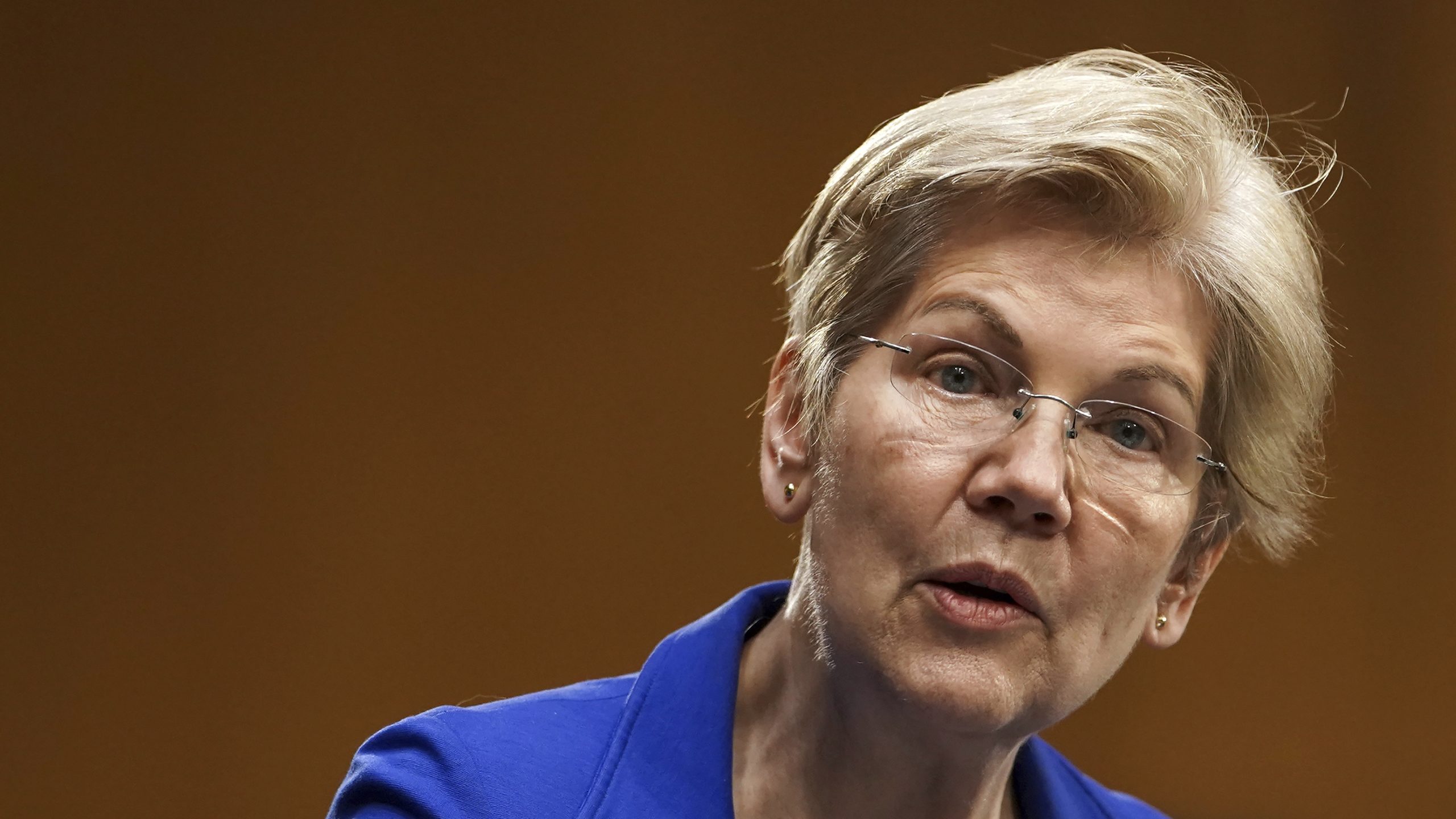
Republican sponsors added new restrictions and a state-attorney-general role, but Warren argues that the structure would still let the executive branch decide whether those restrictions have practical force.
“A weak fig leaf that will do nothing to stop him from making his next $1.4 billion in crypto profits.”
– Sen. Elizabeth Warren, in an official Senate Banking Committee statement
What Republicans changed
Republican sponsors say the final text responds to Democratic demands for stronger conflict-of-interest rules. Under the sponsors’ summary of the revised package, the ethics section would:
- Give state attorneys general an enforcement role involving covered officials who issue or sponsor digital assets, or maintain significant financial interests in them.
- Require covered people to divest certain significant interests or place them in a qualified blind trust.
- Set civil penalties at 20% of the consideration received in a prohibited transaction or $500,000, adjusted for inflation, whichever is greater.
The final CLARITY Act text released before the Senate vote was presented by its Republican sponsors as a negotiated package after talks over ethics, stablecoins and developer protections.
Why the enforcement dispute remains
State involvement is not the same as direct enforcement
The dispute is not over whether states appear in the text. It is over whether they can bring a case themselves or must first rely on federal action. Warren and the Banking Committee’s Democratic staff argue that states would not be able to bring the underlying ethics case directly against a covered official. Their role would instead involve seeking to compel action by the attorney general.
Warren says executive officials could still stop a case
Warren’s analysis argues that political appointees could still prevent an enforcement action from moving forward. The Democratic staff analysis further argues that an Office of Government Ethics opinion could end a state challenge. Republican sponsors say their revision gives state attorneys general a meaningful enforcement role; Democrats say that role remains too limited to address a conflict involving the president.
Why Trump’s crypto businesses are central to the debate
Democrats have tied the enforcement question directly to Trump’s own crypto interests. His reported discussions with advisers over the CLARITY Act ethics language showed how closely the White House was involved in the negotiations.
Reporting on Trump’s memecoin-related proceeds has also become part of the case Democrats make for restrictions that reach beyond the creation of new tokens. That context explains why Democrats are focusing on divestment rules, financial interests and the power to enforce them, rather than treating a ban on new token issuance as sufficient.
READ MORE:
 Solana Makes Room for Transactions More Than Three Times Bigger
Warner says Democrats have a counteroffer
Sen. Mark Warner told Semafor that the ethics provision was “not near enough” and that Democrats had a counteroffer.
The counteroffer indicates that negotiations remain open. It also narrows the issue before senators: the debate is now less about whether the bill should include ethics language and more about whether the final enforcement structure is strong enough to win Democratic votes.
The vote will test the compromise
The Senate is scheduled to vote at 2:15 p.m. ET on September 15 on whether to invoke cloture on the motion to proceed to H.R. 3633, the CLARITY Act. Reaching 60 votes would allow formal Senate consideration of the bill; it would not enact the legislation or end the fight over its ethics provisions.
The vote asks senators to decide whether the final Republican offer has addressed enough of the remaining concerns to justify moving forward. A failed cloture vote would show that the negotiations have not produced sufficient cross-party support. If cloture passes, the enforcement dispute could move from last-minute talks into formal debate over the substitute text and possible amendments.
This article is provided for informational purposes only and does not constitute legal, financial or investment advice. Legislative text, negotiations and vote schedules can change.
The post Warren, Warner Say CLARITY Ethics Deal Still Falls Short appeared first on Coindoo.