BitcoinWorld Wells Fargo Closes Short Dollar Positions on Chilean and Argentine Pesos Wells Fargo & Co. has closed its short dollar positions against the Chilean peso (CLP) and Argentine peso
BitcoinWorld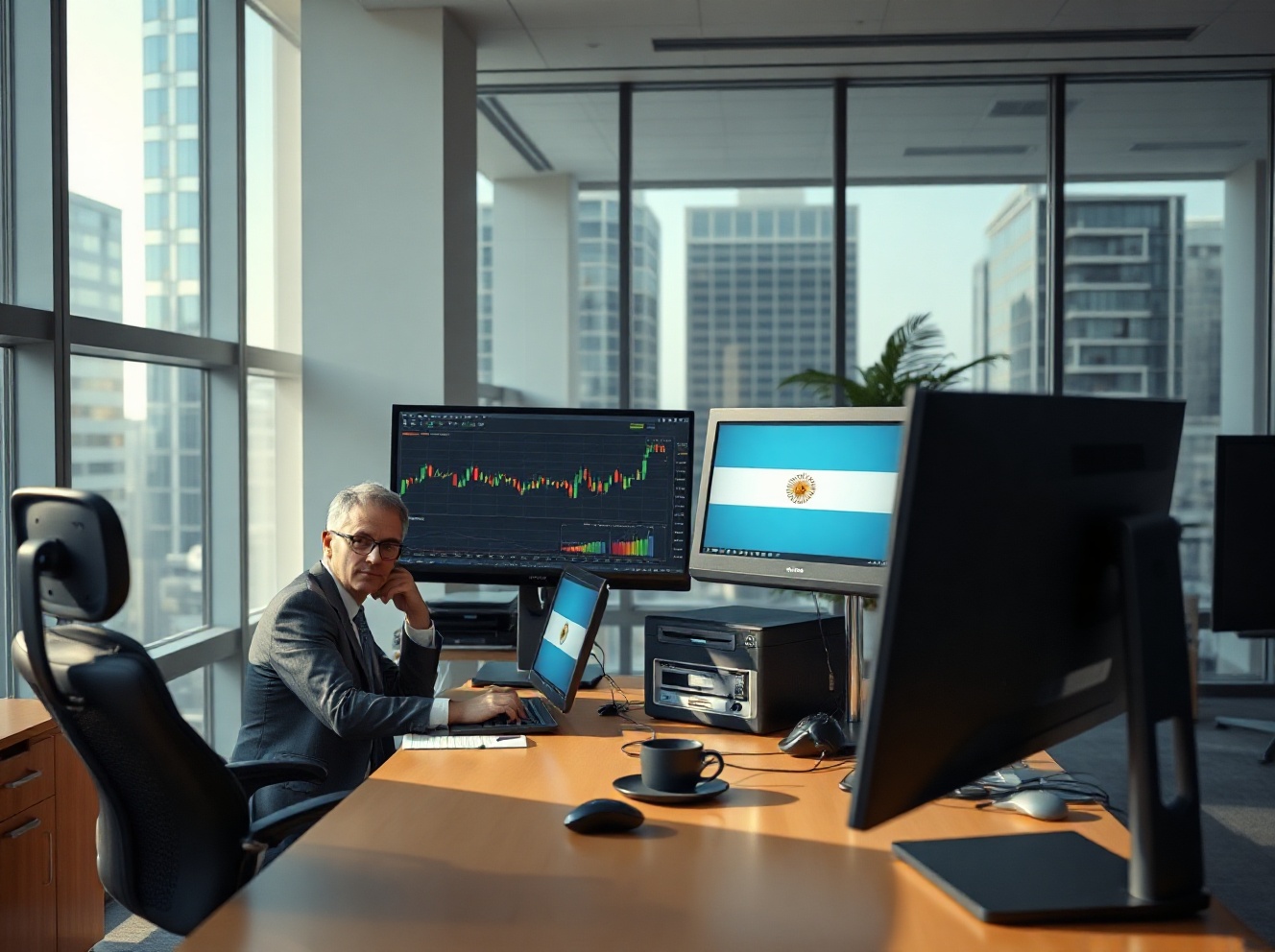 Wells Fargo Closes Short Dollar Positions on Chilean and Argentine Pesos
Wells Fargo & Co. has closed its short dollar positions against the Chilean peso (CLP) and Argentine peso (ARS), according to a recent strategy note from the bank’s foreign exchange desk. The move signals a tactical shift in the U.S. bank’s view on two of Latin America’s most closely watched emerging market currencies, following a period of heightened volatility and policy adjustments in both countries.
Why Wells Fargo Reversed Its Dollar Bets
The decision to unwind these short dollar trades—which were bets that the U.S. dollar would weaken against the two pesos—comes amid changing macroeconomic conditions. In Chile, the central bank’s monetary policy stance and a stabilization in copper prices have reduced the immediate pressure on the peso. In Argentina, the government’s ongoing economic reforms and a more predictable exchange rate management under President Javier Milei have improved investor sentiment, making the peso less vulnerable to sharp depreciation.
Wells Fargo’s strategists noted that while the dollar remains broadly strong due to Federal Reserve policy and global risk aversion, the risk-reward profile for these specific pairs has shifted. The bank’s move is a practical recalibration rather than a broad reversal of its dollar outlook.
Market Context and Implications
The closure of these positions is noteworthy because it reflects a more nuanced, pair-specific approach to emerging market forex trading. Unlike blanket bullish or bearish calls on the dollar, Wells Fargo’s decision highlights the importance of local fundamentals. For traders and investors, this signals that while the dollar’s overall strength may persist, opportunities in certain currencies are emerging as domestic policies improve.
What This Means for Investors
For portfolio managers and forex traders, the development suggests that selective long positions in the Chilean and Argentine pesos could become more attractive if the current policy trajectories continue. However, risks remain, particularly in Argentina, where inflation and debt levels are still elevated. The move by a major U.S. bank adds credibility to the view that these currencies may have reached a turning point, but it does not eliminate the need for careful risk management.
Conclusion
Wells Fargo’s decision to close its short dollar positions on the Chilean and Argentine pesos is a tactical adjustment based on improving local conditions rather than a fundamental change in the global dollar outlook. It underscores the value of country-specific analysis in emerging market forex and offers a measured signal to the market that the risk of further peso weakness may be diminishing for now.
FAQs
Q1: What does it mean when a bank closes a short dollar position?Closing a short dollar position means the bank is buying back the U.S. dollar it had previously sold, effectively ending its bet that the dollar would fall in value against a specific currency.
Q2: Why did Wells Fargo specifically target the Chilean and Argentine pesos?These two currencies were chosen due to their distinct economic situations: Chile’s reliance on copper exports and Argentina’s ongoing reform process under President Milei, both of which have recently shown signs of stabilization.
Q3: Does this mean the dollar will weaken overall?No. This move is specific to these two currency pairs. The dollar remains strong globally due to Federal Reserve policy and global economic uncertainty. The decision reflects a tactical view on Chile and Argentina, not a broad dollar forecast.
This post Wells Fargo Closes Short Dollar Positions on Chilean and Argentine Pesos first appeared on BitcoinWorld.