XRP started to see more interest recently, which is good news. XRP is an interesting cryptocurrency, as it was designed for low-cost and fast international transactions. XRP is the native cry
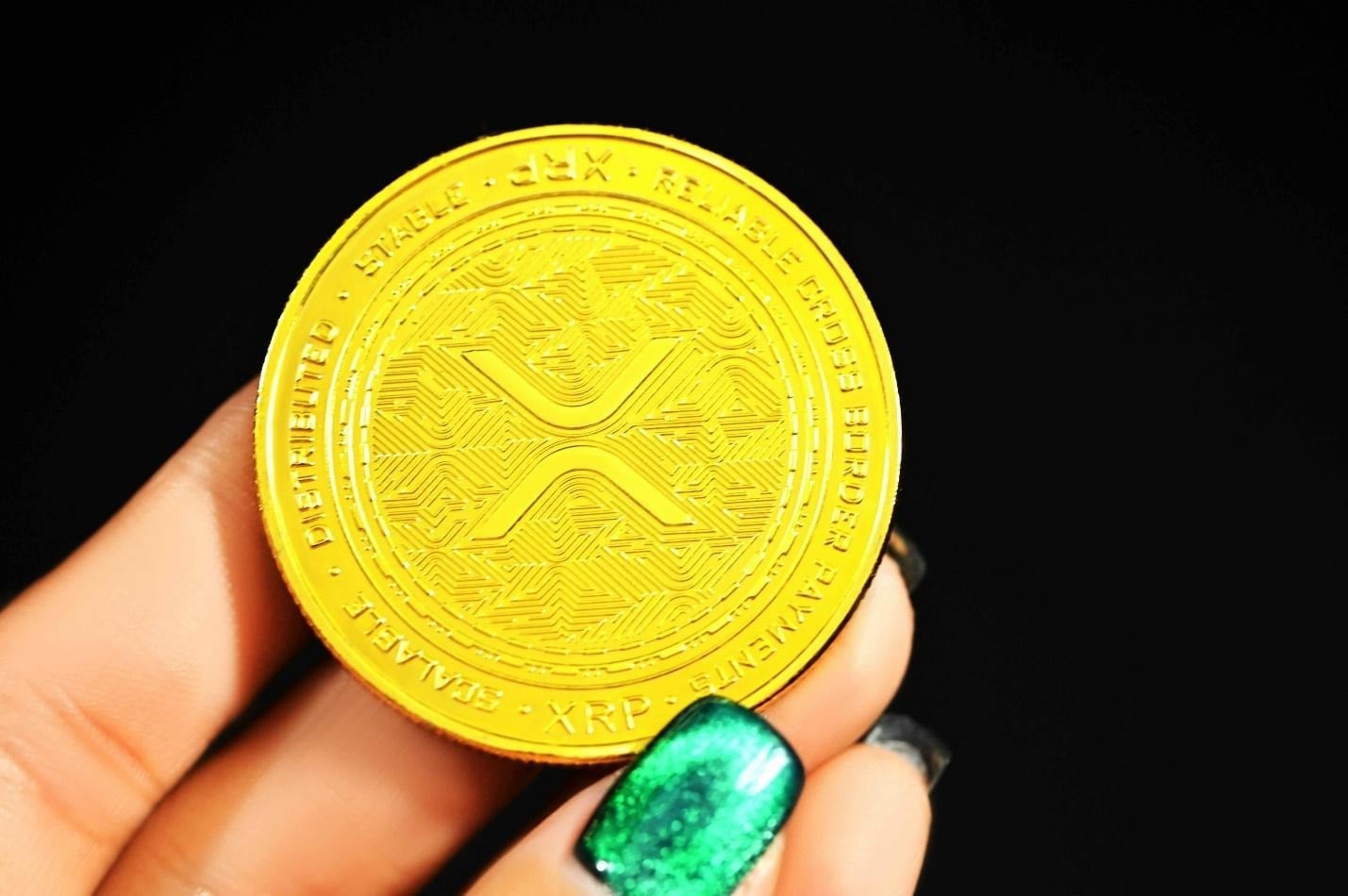
XRP started to see more interest recently, which is good news. XRP is an interesting cryptocurrency, as it was designed for low-cost and fast international transactions. XRP is the native crypto for the XRP Ledger (XRPL). This ledger is a decentralized blockchain created with the aim of improving global payments and solving the shortcomings of financial institutions or businesses. The best attributes of the XRP Ledger compared with traditional banks are that it offers lower fees and is centered around real-time settlement.
In this ecosystem, XRP is used for transaction fees, but it has also started to attract the attention of investors as a way to diversify one’s portfolio. Of course, all cryptocurrencies have a high level of uncertainty given their huge volatility, and because of this, people need to first learn how to buy XRP and what the best times are to enter and exit the market.
In this article, we will explore more information about XRP, so keep on reading.
A little overview of XRP
XRP was launched in 2012 by McCaleb, David Schwartz, and Arthur Britto. The goal of this crypto project was to offer banks better help in sending money internationally by improving the outdated cross-border payment systems that traditional banks were using at that time.
When referring to XRP, you will hear this term being associated with the word Ripple. However, to truly understand this project, it is essential to know the difference between the two of them. RippleNet is a global payments network that lets financial companies and banks send money quickly and directly. The other one is XRP, the digital token of XRP Ledger, which is helping cut costs as well as speeding up transaction payments. XRP acts like a bridge between different traditional currencies, and it is also utilized for the transaction fees on the XRP Ledger.
The XRP price trends in the past
To be able to understand a little of the future trajectory of XRP, we also need to take a look at how this asset performed in the past. Since cryptocurrencies are volatile, we can also see this when we are analyzing XRP. Here are the major movements that occurred for XRP.
The bull run from 2017: During this time, XRP went through a bull run, where the price kept rising while reaching an all-time high of $3.84 in early 2018.
The market crash of 2018: In 2018, the XRP price followed a correction, which was a result of the overall crypto market downturn.
2020 SEC Lawsuit: Ripple dealt with a challenge that marked its evolution when the SEC filed a lawsuit against it. This made people worry about continuing to invest in Ripple, making the price plummet below $0.20. Ripple managed to rebound later, when it fought back to regain confidence.
XRP entered a recovery phase from 2021 to 2023: The price of XRP entered a recovery phase, where even though the price still remained volatile, it also showed resilience, and it continued trading between the values of $0.40 and $1.50.
What is driving interest in XRP?
Better efficiency for the remittance landscape and cross-border payments
One of the strongest points of XRP is the efficiency regarding cross-border transactions. XRP acts as a bridge currency, and thanks to this, it reduces settlement times, eliminates the need to hold funds in different currencies, and also eliminates costs. At the moment, there are many banks and financial institutions that have recognized the power of XRP and are using it daily. SBI Remit (Japan) is one of them, which is using XRP for payments between the Philippines, Vietnam, and Indonesia so that workers can send money home.
Tranglo is another financial institution that has partnerships with Ripple, using XRP to send money across the Philippines, Malaysia, and Bangladesh. Ripple also has a partnership with Banco Rendimento (Brazil), which offers the ability to move funds globally.
Institutional adoption
Several institutions have started realizing the true potential of XRP, and because of this, they see XRP as a treasury asset, which adds demand and credibility. This is a big advantage, as it can impact how others see XRP, and it can attract long-term stability. Plus, there are many use cases in which XRP can be used, including for settlements and liquidity.
Taking advantage of tech features
The XRP Ledger offers great tech features that banks and institutional companies can take advantage of. XRPL is known for its commitment to innovation, scalability, and speed. Because of this, banks can get access to various decentralized applications. The transaction speed of XRP is three to five seconds, which is great in comparison with the ones of traditional banks, which can take weeks.
XRP payments also bring lower costs, which are ideal for micropayments, loyalty programs, and other small rewards. Plus, businesses can take advantage of more features. The XLS-20 amendment is one of them, and it introduced the possibility of non-fungible tokens (NFT) on XRPL. This opens the door to collecting tickets, loyalty points, and different collectibles, which can be tokenized on-chain.
Another great feature is the XLS-70/XLS-80 proposal, which enhances the permissioned domain controls and digital credentials to be used for enterprises and regulated financial applications.
The bottom line
XRP has had quite an interesting evolution, where it managed to constantly attract attention from a big audience. Since XRP has finished the dispute with the SEC, this can attract fresh interest in XRP. The main attributes attracting investors to this space are strong institutional partnerships and utility in cross-border payments. These offer XRP long-term potential and better interest.
The crypto market is evolving and maturing, so it is very likely to see an increase in the XRP price. It is a good idea to keep track of XRP price trends to be alert to movements in the price and discover good entry and exit points. This is the foundation of making informed investment decisions.
Disclaimer: This article is provided for informational purposes only. It is not offered or intended to be used as legal, tax, investment, financial, or other advice.