Crypto security is often associated with hacking, phishing, and private key theft. However, several recent incidents in France have shown that the risks facing digital asset holders are no lo
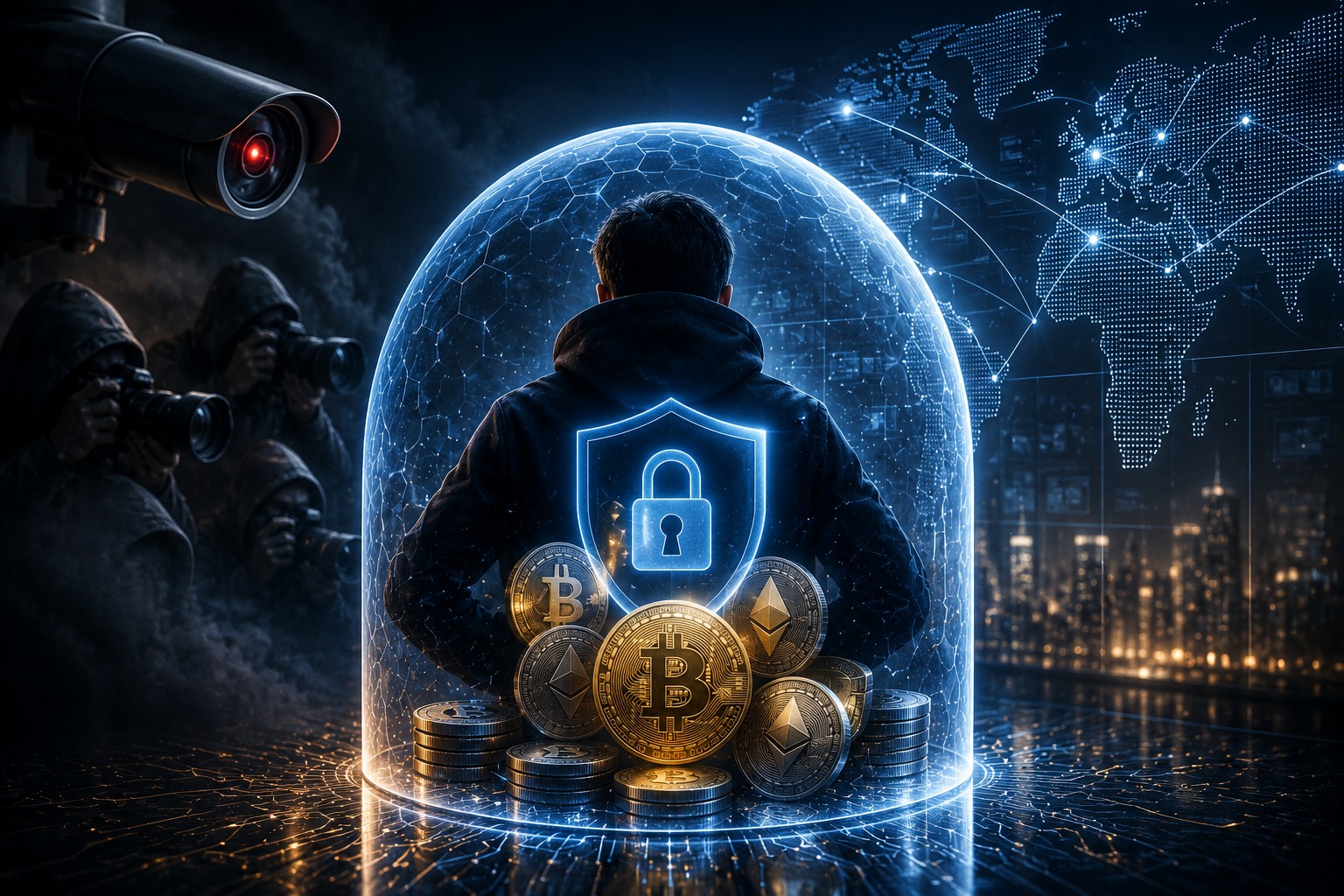
Crypto security is often associated with hacking, phishing, and private key theft. However, several recent incidents in France have shown that the risks facing digital asset holders are no longer limited to cyberspace. These events serve as a reminder that protecting a wallet alone may not be enough if personal information can easily be linked to its owner.
As cryptocurrency adoption continues to expand, more investors are sharing their activities through social media, online communities, and public events. Without realizing it, these digital footprints can provide valuable clues that allow malicious actors to identify potential targets.
The Cases in France Offer a Wake-Up Call
Recent incidents involving cryptocurrency holders in France have reignited discussions about investor safety. Rather than attempting to breach blockchain networks or exploit software vulnerabilities, the perpetrators allegedly relied on physical intimidation to force victims to hand over access to their digital assets.
These crimes are commonly referred to as wrench attacks, where people become the primary target instead of the technology they use. Although such incidents remain relatively uncommon, they demonstrate that growing crypto wealth can also increase real-world risks when ownership becomes identifiable.
Blockchains are designed to be transparent, but wallet addresses do not automatically reveal the identity of their owners. The connection is often established through information that people voluntarily or unintentionally leave online, including social media posts, leaked databases, community activities, or other publicly available records.
When these pieces of information are combined, attackers may be able to build a profile of an individual and estimate their digital asset holdings. For this reason, cybersecurity experts increasingly emphasize that protecting personal privacy has become just as important as protecting crypto wallets.
Privacy Is Now Part of Every Investor's Security Strategy
As the digital asset industry matures, privacy should be viewed as an essential component of crypto security. Investors are encouraged to use hardware wallets for long-term storage, enable two-factor authentication (2FA), and avoid publicly sharing portfolio values or primary wallet addresses.
The incidents in France illustrate that blockchain technology itself is not the weak point. Instead, personal information can become the link that exposes crypto holders to unnecessary risks. As adoption continues to grow, protecting one's identity is becoming just as important as safeguarding private keys.
Instagram : @asetqu_official
Tiktok : @asetqu_official
Twitter : @AsetQu_Official