BitcoinWorld White House Signals Possible Gold Price Revaluation: What It Means for Markets The White House has signaled a potential revaluation of the official price of gold, a move that cou
BitcoinWorld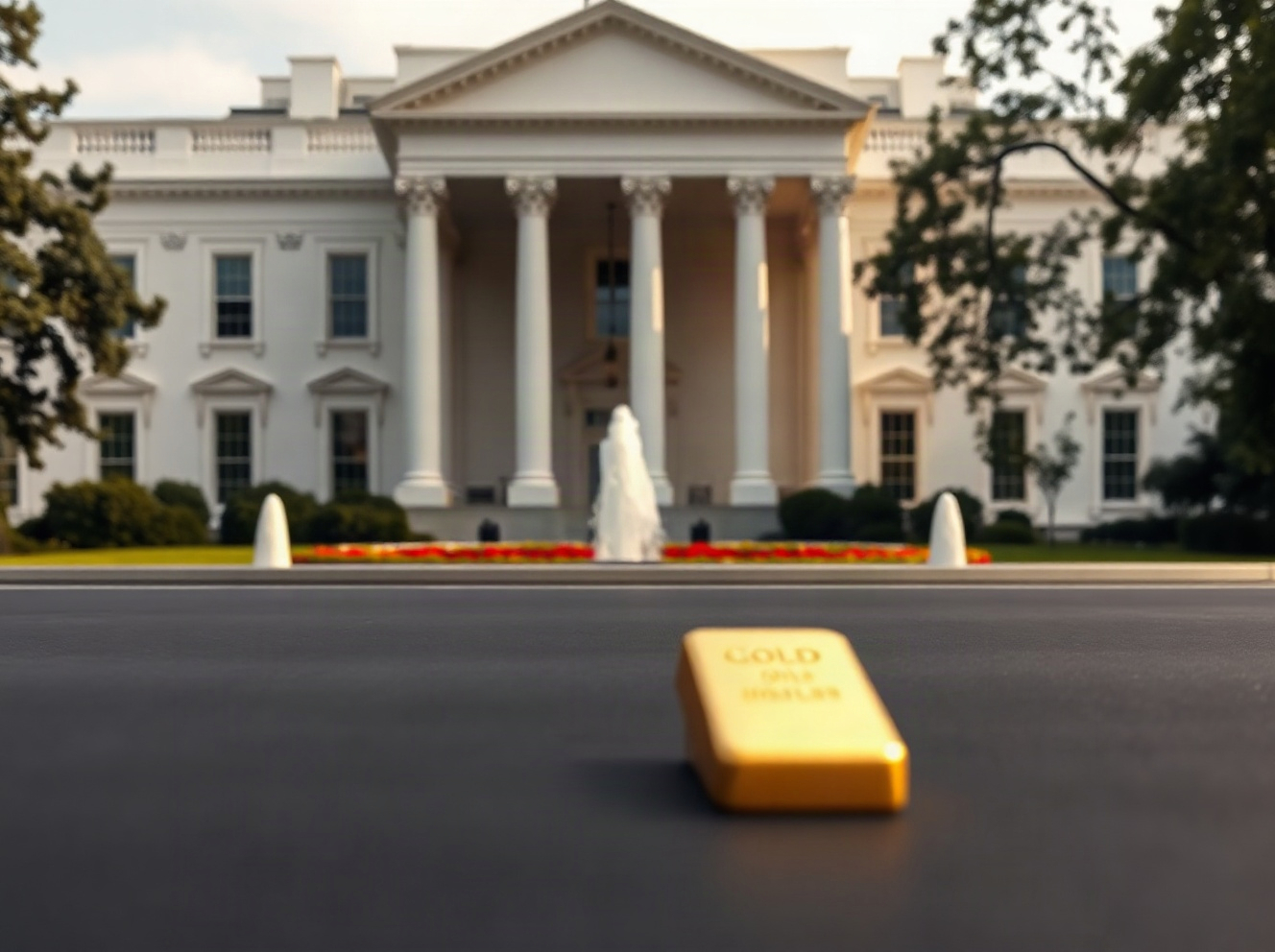 White House Signals Possible Gold Price Revaluation: What It Means for Markets
The White House has signaled a potential revaluation of the official price of gold, a move that could have significant implications for the U.S. dollar, inflation expectations, and Federal Reserve policy. This development, reported through official channels, marks a notable shift in the administration’s approach to the nation’s gold reserves, which have been held at a fixed book value for decades.
Understanding the Gold Revaluation Signal
The signal from the White House suggests that the administration is considering adjusting the statutory price of gold, which currently stands at $42.22 per ounce. This price, set in 1973, does not reflect the current market value of gold, which has traded well above $2,000 per ounce in recent years. A revaluation would allow the Treasury to mark up the value of its gold holdings on paper, potentially providing a windfall to the government’s balance sheet.
While the exact details and timing remain unclear, the signal has already sparked debate among economists and market analysts. Some view it as a mechanism to strengthen the government’s financial position without raising taxes, while others caution that it could signal deeper concerns about inflation and the dollar’s purchasing power.
Implications for the Dollar and Inflation
If the revaluation were to occur, it could affect perceptions of the U.S. dollar’s backing. Although the U.S. abandoned the gold standard in 1971, the country still holds the world’s largest official gold reserves. A revaluation could be interpreted as a step toward reasserting gold’s role in the financial system, potentially influencing currency markets.
Market participants are closely watching for any follow-up statements from the Treasury or the Federal Reserve. The move could also feed into inflation narratives, as gold is often seen as a hedge against rising prices. However, analysts emphasize that a revaluation alone would not directly inject money into the economy; its impact would be largely symbolic unless paired with other policy actions.
What This Means for Investors
For investors, the signal adds another layer of uncertainty to an already complex macroeconomic environment. Gold prices have been volatile in response to the news, with some traders speculating on potential upside. Yet, the lack of concrete details means that any immediate market reaction may be premature.
Investors should focus on the broader implications: if the administration is willing to revisit the gold price, it may signal a more interventionist approach to monetary policy. This could influence expectations for Federal Reserve decisions, particularly regarding interest rates and quantitative easing.
Conclusion
The White House’s signal on gold price revaluation is a developing story that carries weight for both domestic fiscal policy and global financial markets. While the full scope of any potential action remains unclear, the mere discussion highlights the administration’s willingness to explore unconventional tools. As with any policy shift, the details will matter, and market participants should stay informed on further announcements.
FAQs
Q1: What is the current official price of gold used by the U.S. Treasury?The official book value is $42.22 per ounce, a rate set in 1973 and unchanged since then.
Q2: How would a gold revaluation affect the federal budget?It would increase the value of the Treasury’s gold holdings on paper, potentially improving the government’s balance sheet without direct cash inflow.
Q3: Is a gold revaluation likely to happen soon?There is no confirmed timeline. The White House has only signaled consideration, and any actual change would require legislative or administrative action.
This post White House Signals Possible Gold Price Revaluation: What It Means for Markets first appeared on BitcoinWorld.