White House Unveils AI Security Strategy Covering Frontier Models And Critical Infra
The White House released a national AI security strategy on Monday, prioritizing frontier AI model risks, cyber defense capabilities, and the protection of critical infrastructure from AI-ena
A
AnonymousCryptoCompass newsroom
June 8, 2026
2 min read
NEWS
CryptoCompass editorial visual for policy coverage.
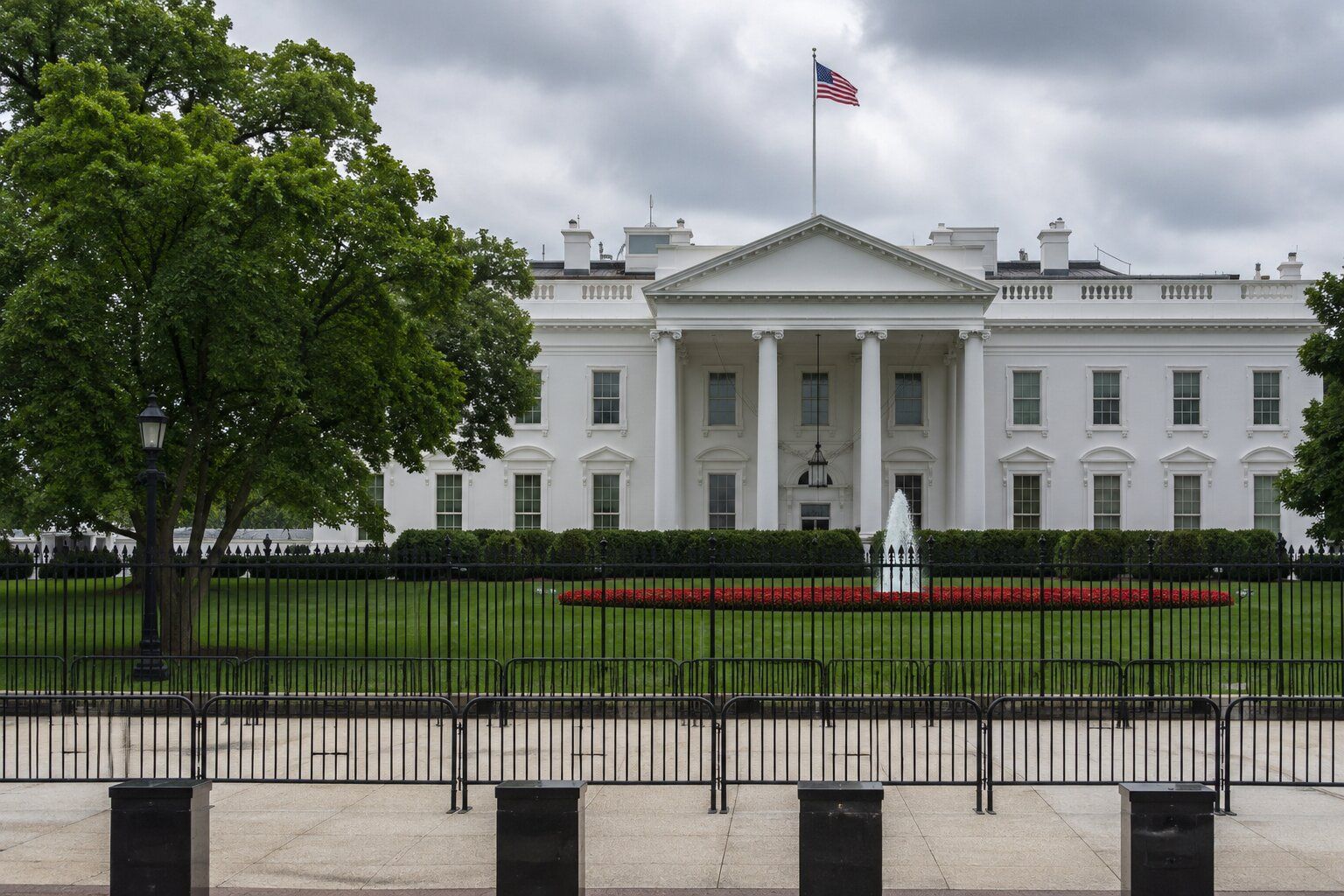
The White House released a national AI security strategy on Monday, prioritizing frontier AI model risks, cyber defense capabilities, and the protection of critical infrastructure from AI-enabled attacks.
According to Industrial Cyber, the strategy follows an executive order published last week that targeted cybersecurity posture across government and private-sector systems.
What The Strategy Covers
The document addresses three core areas. The first is frontier model governance, covering risks from highly capable AI systems that operate at or near the boundary of current technological limits.
The second area is cyber defense. The strategy frames AI as both a tool for improving defensive capabilities and a vector for new attack types.
The third area is critical infrastructure. Power grids, financial systems, and communications networks appear among the protected categories.
The strategy does not create a new regulatory body based on the available summary. Enforcement mechanisms were not detailed in the reporting.
Background
The White House AI security release follows a wave of AI governance activity in the US and Europe during May and June 2026. The European Commission published AI Act transparency rules for deepfakes and chatbots earlier this week.
A bipartisan House bill targeting frontier AI labs with safety mandates and independent audits was also introduced this week. The concentrated timing of these actions across multiple jurisdictions reflects an accelerating regulatory push. The White House document aligns the US position with allied governments that have already adopted formal AI safety frameworks.
The strategy's implementation timeline has not been disclosed. Federal agencies will likely receive specific guidance in follow-up directives.
Congress has several parallel AI safety bills in progress. How the executive strategy aligns with legislative proposals will determine whether the US ends up with a unified framework or a fragmented set of agency-level rules.
Harmony is weighing a permanent network shutdown and a migration of its ONE token to Ethereum, according to a non-binding proposal dated September 6, 2026. The plan remains a proposal, not an
CoinShares is reading the latest Bitcoin fund flows as a bet on interest rates, not an escape hatch. The asset manager frames the movement of capital in and out of Bitcoin products as investo
Brazil’s biggest banks are bringing cryptocurrency into their consumer platforms; however, Banco Central do Brasil documents indicate that Brazilian banks had zero virtual assets held on thei