Trump has tapped former SEC Chair Jay Clayton to lead what is being described as a "Super Intelligence" initiative, placing a figure closely associated with crypto enforcement at the center o
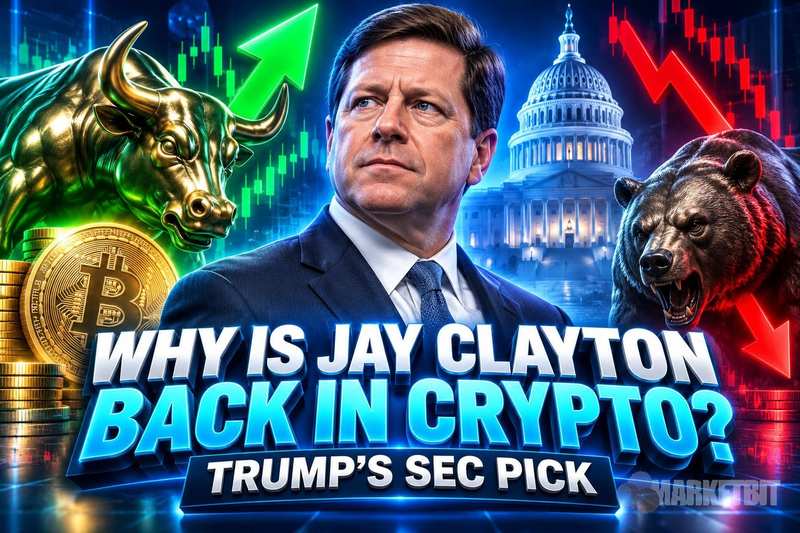
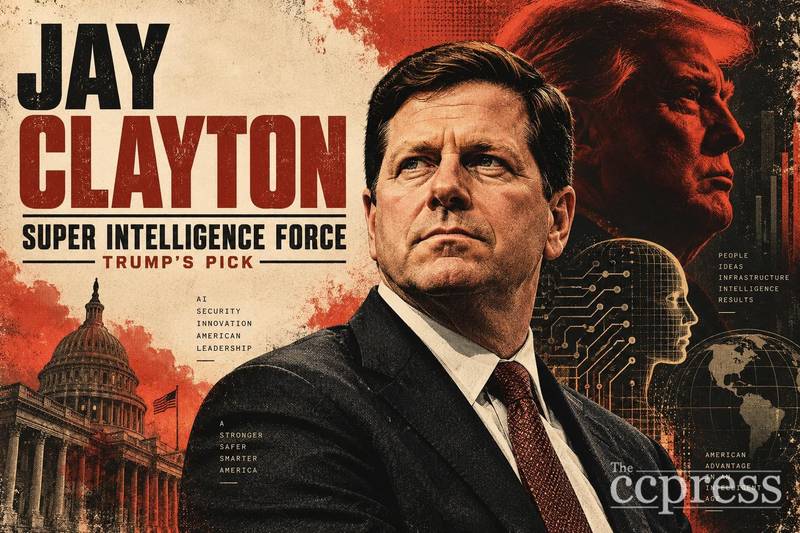
Trump has tapped former SEC Chair Jay Clayton to lead what is being described as a "Super Intelligence" initiative, placing a figure closely associated with crypto enforcement at the center of a new administration priority. Clayton's return to a formal government role is drawing attention from digital-asset markets given his four-year tenure overseeing the SEC's most aggressive period of crypto-related action.
What Trump's Jay Clayton Appointment Means
Jay Clayton served as SEC Chair from 2017 to 2020, a period during which the agency brought dozens of enforcement actions against token issuers and exchanges. His appointment to lead a Trump-linked "Super Intelligence" effort represents a shift in assignment, moving him from securities regulation into technology policy, though the precise scope and mandate of the role have not been fully disclosed in available reporting. For related coverage, see NEAR Intents September Growth: Volume, Users, Integrations.
The appointment places Clayton in the orbit of administration priorities at a moment when federal AI and digital infrastructure policy is in active formation. According to prior reporting on Clayton's AI czar designation, his role may carry oversight implications for blockchain infrastructure alongside broader technology mandates. For related coverage, see Morgan Stanley's Bitcoin ETF Holdings Exceed 10,500 BTC.
KEY TAKEAWAYS
- Trump has nominated Jay Clayton to lead a "Super Intelligence" initiative within the administration.
- Clayton was SEC Chair 2017-2020, a period associated with heightened crypto enforcement posture.
- The new role is distinct from securities regulation, but his background creates regulatory signal value for digital-asset markets.
Why Clayton's SEC Record Matters to Crypto
During Clayton's chairmanship, the SEC pursued enforcement actions under a broad interpretation of the Howey test, treating the majority of token sales as unregistered securities offerings. That posture shaped the legal environment for projects including XRP, whose issuer Ripple Labs faced an SEC suit filed in December 2020, days before Clayton's departure from the agency.
A former SEC chair taking on a new executive role is categorically different from regulatory appointment, and Clayton's "Super Intelligence" mandate does not grant him direct authority over digital-asset oversight. The distinction matters for market participants: his influence on crypto policy in this capacity would be indirect, channeled through interagency coordination rather than rulemaking or enforcement. Separately, CFTC jurisdictional expansion continues to reshape which regulator holds primary authority over digital assets, a dynamic that runs parallel to any Clayton-linked policy signals.
What Clayton's Return Could Mean for Crypto Markets
Clayton's presence in the administration introduces a known regulatory variable for crypto. Markets and legal teams tracking federal digital-asset policy will watch whether his role generates any cross-agency coordination on blockchain infrastructure, stablecoin standards, or AI-adjacent token applications, none of which have been confirmed as part of his mandate at this stage.
Key unknowns that would sharpen the market signal: the statutory basis for the "Super Intelligence" initiative, whether Clayton retains any advisory capacity on financial regulation, and whether the role intersects with the SEC's ongoing crypto rulemaking pipeline under its current leadership. Until those details surface, the appointment functions as a sentiment data point rather than a policy catalyst, with directional implications dependent entirely on scope disclosures that remain pending.
Crypto-focused regulatory watchers have flagged Clayton's return as worth monitoring given that his SEC tenure produced the legal framework still being litigated across multiple active enforcement cases. The XRP-specific implications of Clayton's AI czar designation remain an open analytical question for token holders tracking the Ripple litigation's resolution trajectory.
Additional source references: source document 1, source document 2.
Disclaimer: This article is for informational purposes only and does not constitute financial or investment advice. Cryptocurrency and digital asset markets carry significant risk. Always do your own research before making decisions.
Read original article on marketbit.net