
Markets2 min read
DeepBook App on SUI goes live in Alpha
From Infrastructure to Interface @DeepBookonSui Protocol has officially launched its consumer-facing application in alpha on @SuiNetwork mainnet, marking a significant shift for a protocol th
With the US Senate adjourning until July 13th, the fate of the Clarity Act, a bill of great importance to the cryptocurrency market, now depends on behind-the-scenes discussions that will tak
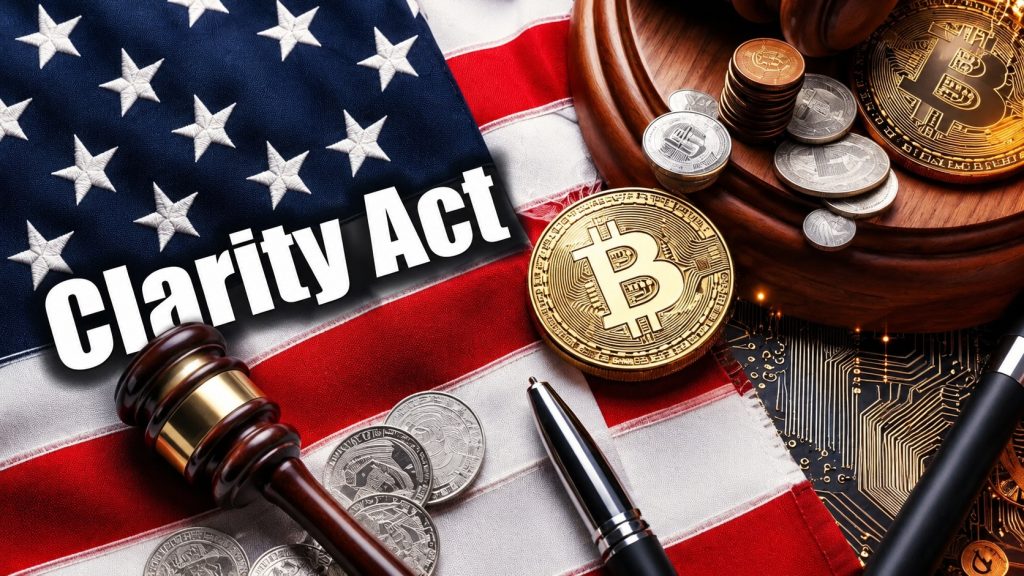
With the US Senate adjourning until July 13th, the fate of the Clarity Act, a bill of great importance to the cryptocurrency market, now depends on behind-the-scenes discussions that will take place over the next two weeks.
Before senators return to Washington, advisors from both parties, administration officials, and industry representatives will try to resolve remaining disagreements on the bill. Key topics of discussion include harmonizing the texts prepared by the Senate Banking and Agriculture Committees, ethical guidelines, and provisions to combat illicit finance.
When senators return during the week of July 13, procedural processes and the preparation of the bill for the Senate floor are expected to replace the negotiations. Senate Majority Leader John Thune has stated that he wants to prioritize the National Defense Authorization Act, which covers defense spending, during the week of July 13. If this timeline is maintained, the Clarity Act could come to the floor later in July or in the first week of August before Congress goes on summer recess.
The general market expectation is that the Clarity Act needs to pass the Senate before the August recess to have a chance of becoming law this year. For this to happen, the bill needs the support of at least 60 senators. Given that Republicans hold 53 seats, even with all Republican votes in favor, it would still require the support of at least seven Democratic senators. However, this scenario is not certain; Republican senators Josh Hawley and Rand Paul voted against the GENIUS Act during its General Assembly process.
Related News: Bybit Will Restrict User Activities in the European Economic Area - Who Will Be Affected?
It is stated that the support of a significant portion of Democrats depends on whether the White House adopts a strong ethical framework addressing President Donald Trump’s cryptocurrency-related business activities. According to Reuters, Trump’s crypto ventures have earned him more than $2 billion in new wealth since his return to office.
According to sources close to the negotiations, a final agreement has not yet been reached between the parties. However, Senator Cynthia Lummis stated last week that the new draft of the bill may include a revised proposal allowing state attorneys general to sue cryptocurrency exchanges that list tokens issued by public officials. This measure is said to address Democrats’ ethical concerns. However, any potential compromise will require final approval from President Trump.
On the other hand, some security forces groups continue to oppose the inclusion of the Blockchain Regulatory Certainty Act, located in Section 604 of the bill. These groups argue that, in its current form, this regulation could make it more difficult to investigate and prosecute on-chain crimes. Some figures in the sector, however, have indicated openness to targeted changes. This suggests that negotiations may continue on a new text that addresses the concerns of security forces.
Some of the topics in the Agriculture Committee’s document are also among the priority issues that need to be resolved in the coming days. These controversial issues include whether federal regulations will override state laws, how cryptocurrency exchanges will manage conflicts of interest, and what restrictions will be placed on affiliate transactions.
It remains unclear whether pro-crypto officials can resolve all these issues and get the bill through the Senate before the next recess. Some in the industry believe the tight schedule might force the parties to compromise, while others worry that there isn’t enough time and whether Republicans can secure the 60 votes needed.
*This is not investment advice.
Continue Reading: Why Isn’t the Clarity Act Being Passed? What’s the Latest on the Bullish Crypto Bill? The Next Two Weeks Are Critical