BitcoinWorld Why the Anthropic-Physical Intelligence rumor refuses to die — and what it reveals about the AI robotics race Over the weekend, a rumor spread across AI Twitter that Anthropic wa
BitcoinWorld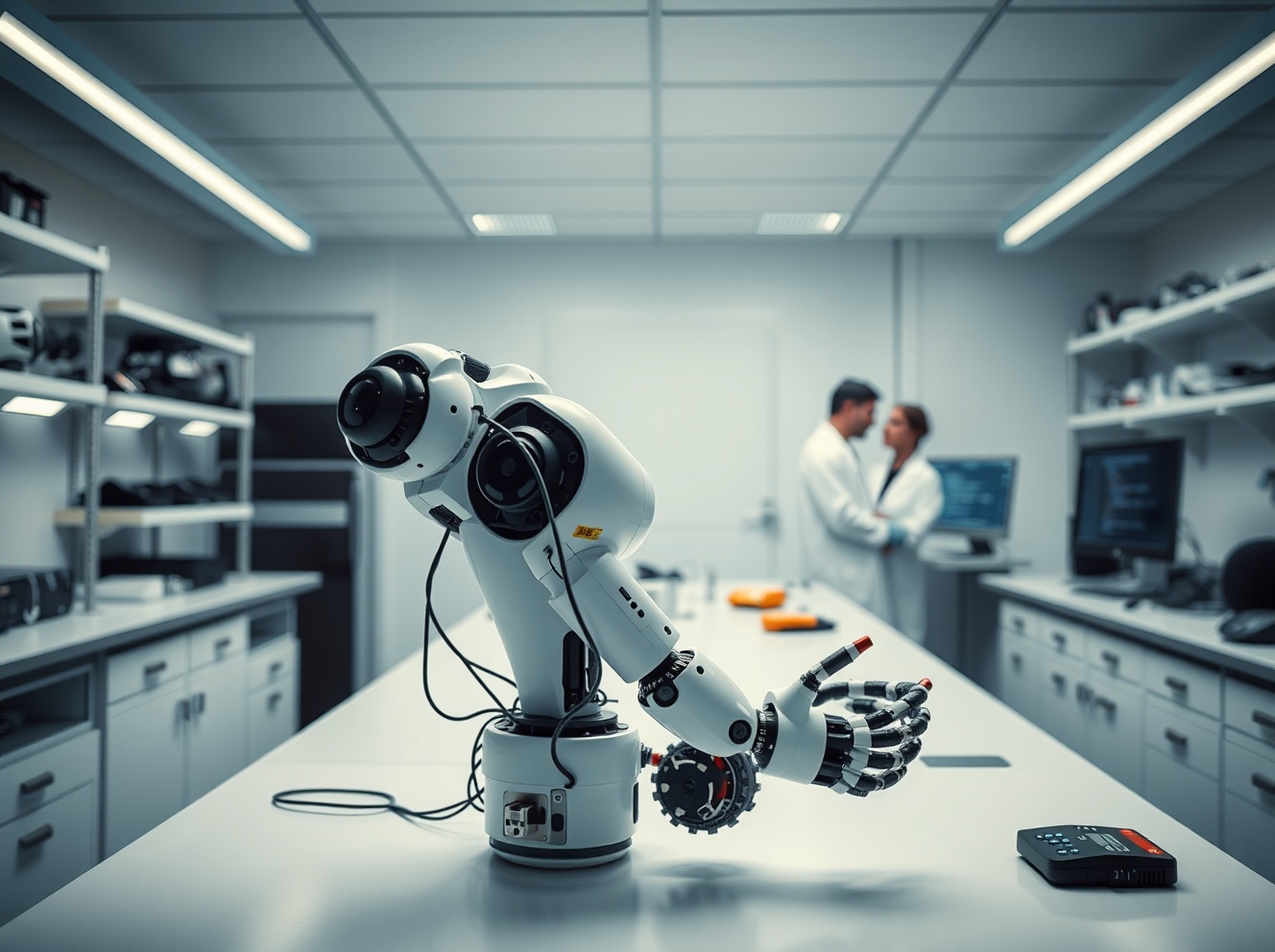 Why the Anthropic-Physical Intelligence rumor refuses to die — and what it reveals about the AI robotics race
Over the weekend, a rumor spread across AI Twitter that Anthropic was acquiring Physical Intelligence, a well-funded robotics startup. The rumor was swiftly denied by Physical Intelligence CEO Karol Hausman — via a Slack message featuring a GIF from The Office — but the story didn’t die. It didn’t die because, as it turns out, the rumor wasn’t baseless: Anthropic and Physical Intelligence held acquisition talks earlier this spring, according to a report from The Information. That revelation has opened a window into the strategic thinking of both Anthropic and its chief rival, OpenAI, as they race to build the next generation of AI systems that understand and operate in the physical world.
Why robotics matters to AI companies
The core thesis driving interest in robotics from companies like Anthropic and OpenAI is straightforward: physical-world understanding may be a prerequisite for building superintelligent systems. No amount of text scraped from the internet can substitute for the kind of grounded learning that comes from interacting with the physical world. OpenAI’s own history illustrates this. The company built an early robotic hand that could solve a Rubik’s Cube, then shut down its entire robotics division in 2021, with co-founder Wojciech Zaremba later acknowledging the approach was missing key elements for real superintelligence. The team quietly returned in 2024, building a humanoid robotics lab in San Francisco, before CEO Sam Altman made it official in late May, announcing the formation of ‘OpenAI Robotics’ and describing a near-term focus on robots for infrastructure work.
Anthropic’s quieter path to robotics
Anthropic hasn’t built anything resembling OpenAI’s hardware lab. Instead, it has published a string of research papers through an internal group that stress-tests frontier capabilities for safety. That included Project Fetch last November, where Anthropic staff tested how much Claude could help non-experts program a robot dog. A second phase in June found that a newer model completed the same tasks roughly 20 times faster than the best human-plus-Claude team from the year before. Buying an existing team with robotics expertise — like Physical Intelligence — would let Anthropic skip years of work. Physical Intelligence, co-founded by investor-operator Lachy Groom and former Google researchers, has raised more than $1 billion and its π0.5 model is widely used in robotics research.
The OpenAI complication
There is a significant wrinkle in any potential Anthropic-Physical Intelligence deal. Physical Intelligence’s early investor base includes Khosla Ventures, Thrive Capital, and Founders Fund — all of which are also major investors in OpenAI. More importantly, OpenAI itself is an investor in Physical Intelligence. That raises questions about whether OpenAI’s early investment came with information rights or a right of first refusal over a sale to a competitor — the kind of protective provisions large strategic investors sometimes negotiate. That leaves open the possibility that if Physical Intelligence is actually in play, OpenAI — already a shareholder, already close to Groom, already trying to ensure it bests Anthropic in robotics — may have the more obvious claim to it than Anthropic does. We asked OpenAI about these questions earlier today and the company did not respond.
Conclusion
The Anthropic-Physical Intelligence rumor, even if ultimately unfounded, reveals a deeper truth about the AI landscape. Both Anthropic and OpenAI are preparing for what could be two of the largest U.S. stock debuts in history — Anthropic confidentially filed for an IPO on June 1, followed by OpenAI a week later. Both are aggressively acquiring companies to extend their reach. And both now appear to believe that understanding the physical world is not optional, but essential. Whether through acquisition, internal development, or a combination of both, the race to build AI that can move through and manipulate the physical world is accelerating.
FAQs
Q1: Did Anthropic actually try to acquire Physical Intelligence?According to a report from The Information, the two companies held acquisition talks earlier this spring. The weekend rumor that a deal was imminent was denied by Physical Intelligence’s CEO, but the talks themselves appear to have been real.
Q2: Why would an AI company like Anthropic want a robotics startup?AI researchers increasingly believe that physical-world understanding is necessary for building superintelligent systems. Robotics provides a way for AI models to learn from real-world interaction, not just text. Acquiring an existing team with robotics expertise would allow Anthropic to skip years of internal development.
Q3: Could OpenAI block an Anthropic-Physical Intelligence deal?OpenAI is itself an investor in Physical Intelligence, and its investment may have come with protective provisions like information rights or a right of first refusal over a sale to a competitor. That could give OpenAI leverage, though the specific terms of the investment have not been disclosed.
This post Why the Anthropic-Physical Intelligence rumor refuses to die — and what it reveals about the AI robotics race first appeared on BitcoinWorld.
