Why the US-China Relationship Still Shapes Global Markets
From supply chains and trade policy to technology restrictions and capital flows, the relationship between the United States and China remains one of the most important forces influencing global markets.
A
AnonymousCryptoCompass newsroom
June 3, 2026
6 min read
ANALYSIS
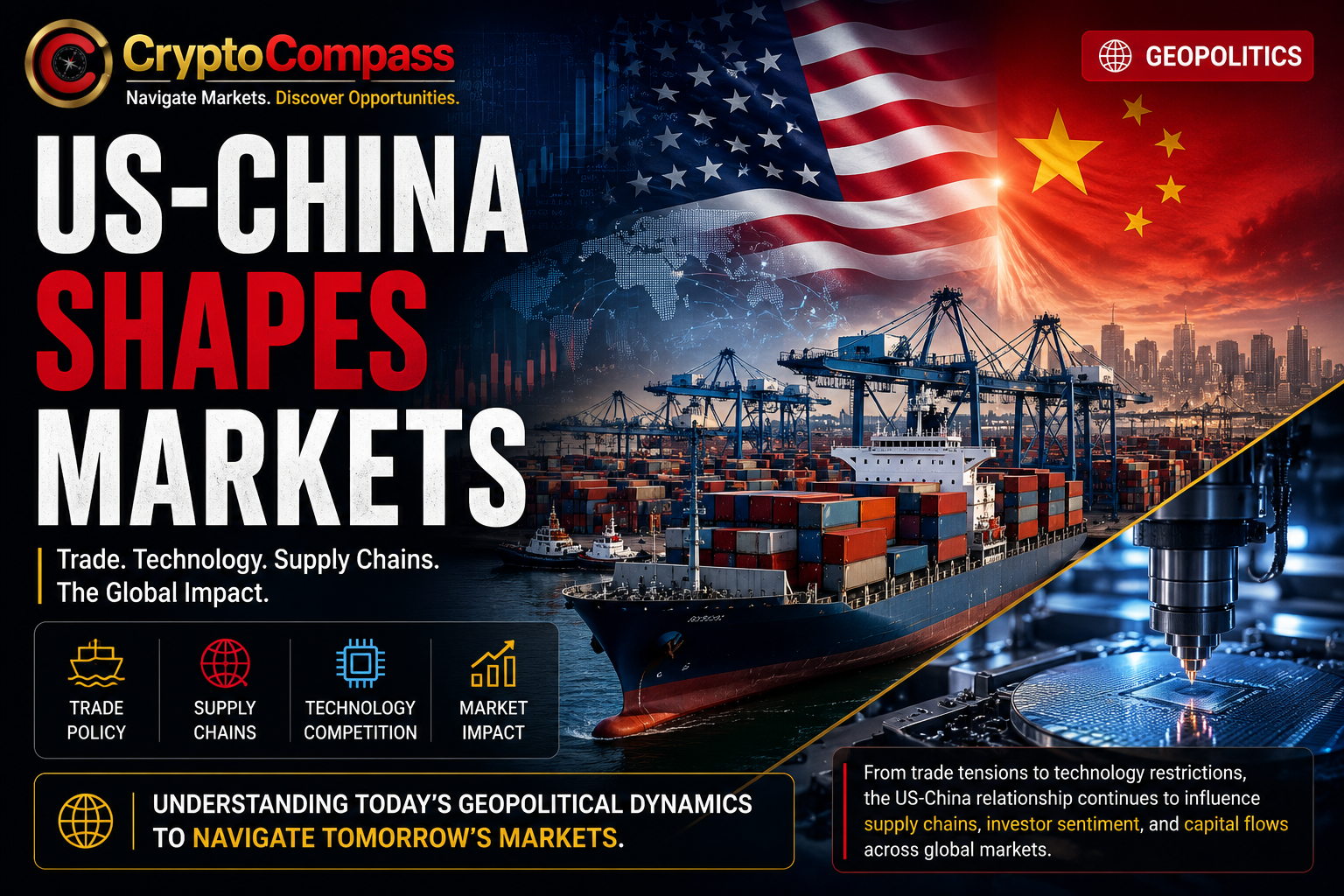
CryptoCompass editorial visual for policy coverage.
Why the US-China Relationship Still Shapes Global Markets
More Than a Bilateral Relationship
Few relationships have a greater impact on the global economy than that between the United States and China.
As the world's two largest economies, their policies influence trade flows, manufacturing activity, technology development, commodity demand, and investor sentiment across financial markets.
While headlines often focus on diplomatic tensions and political disagreements, the economic consequences extend far beyond government policy.
For investors, understanding the relationship between Washington and Beijing has become increasingly important.
The Supply Chain Connection
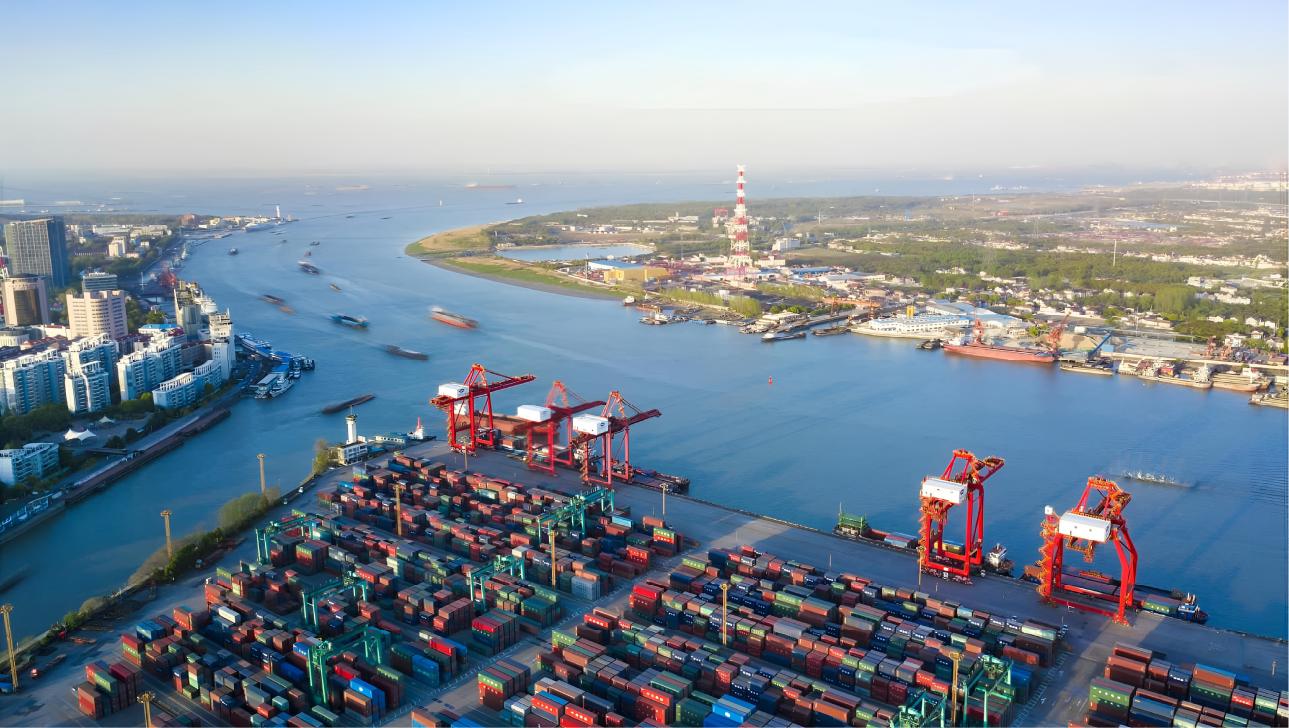
Source: Reuters
Modern supply chains are deeply interconnected.
Products designed in one country are often manufactured in another before being sold globally.
As a result, trade restrictions, tariffs, and export controls can affect industries ranging from semiconductors and consumer electronics to automotive manufacturing and energy infrastructure.
When tensions rise between major economic powers, businesses often face higher costs and increased uncertainty.
These disruptions can eventually influence inflation, corporate earnings, and market valuations.
Technology Becomes a Strategic Asset
Source: Reuters / TSMC
Technology has become one of the most significant areas of competition between the United States and China.
Artificial intelligence, advanced semiconductors, cloud computing, and telecommunications infrastructure are increasingly viewed as strategic national assets.
Restrictions on technology exports and investment flows have created new challenges for multinational companies while reshaping global supply chains.
The result is a growing race to secure technological leadership in critical industries.
Markets React to Uncertainty
Financial markets generally prefer stability.
Periods of escalating trade tensions often increase volatility as investors reassess growth expectations and future earnings.
Currencies, equities, commodities, and digital assets can all be affected by changes in geopolitical sentiment.
Although markets eventually adapt, uncertainty frequently leads investors to seek safer assets while reducing exposure to riskier investments.
Why Crypto Investors Should Care
Cryptocurrency markets do not operate in isolation.
Trade policy can influence inflation expectations.
Inflation can affect interest rates.
Interest rates can shape liquidity conditions.
Liquidity often drives risk appetite across digital asset markets.
Because of these connections, developments between the United States and China can indirectly influence crypto valuations through broader financial conditions.
Looking Ahead
The relationship between the world's two largest economies will continue to evolve.
Competition in technology, trade, and industrial policy is likely to remain a defining feature of the global economy for years to come.
For investors, understanding these dynamics is no longer optional.
It is becoming an essential part of navigating modern financial markets.
CryptoCompass View
Global markets are increasingly shaped by geopolitics.
The relationship between the United States and China influences supply chains, technology leadership, capital flows, and investor sentiment across nearly every major asset class.
XRP is again displaying a technical structure that led to some of its most significant rallies in past years, according to cryptocurrency analyst Dark Defender. In a recent update, Dark Defen
BDACS Picks LayerZero to Unify KRW1 Across Blockchains BDACS, South Korea's largest digital asset custodian by assets under custody, has selected LayerZero's Omnichain Fungible Token (OFT) st
Robinhood Bets on Crypto.com for Prediction Market Growth @RobinhoodCrypto is in talks to take an equity stake in @cryptocom and integrate the exchange's regulated yes-or-no event contracts d