Traditional financial institutions are essential to the operation of tokenized gold, but it's a form of physical gold that's recorded on a blockchain network. The tokenized gold process requi
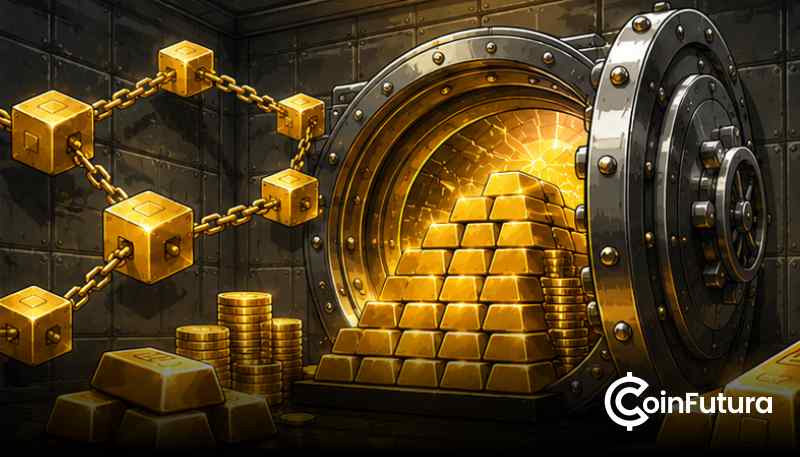
Traditional financial institutions are essential to the operation of tokenized gold, but it's a form of physical gold that's recorded on a blockchain network. The tokenized gold process requires the financial infrastructure, regulatory bodies and custodians, and the tokenized gold will offer faster transactions and fractional ownership. Custodians, regulators and a financial infrastructure are available to support the physical gold, to protect the physical gold, to confirm the reserves of physical gold, to give liquidity to trading physical gold and to redeem physical gold.
Physical Gold Needs Secure Custody
While tokenized gold is transited between blockchain networks, the gold itself is stored physically. As a result, it is critical that issuers trust the professionals that handle the vaulting of bullion to ensure that the precious metal is kept safe from destruction, loss and theft. These are arrangements that relate to digital ownership and security services that blockchain software can't provide.
Products that are linked to gold in the vault via cryptocurrencies include PAX Gold and Tether Gold. However, the token holders still have to rely on the custodians to keep their tokens and follow any guidelines that have been drawn up. Even in the case of transactions on the blockchain visible and hard to change, this dependency introduces counterparty risk.
Not all risks can be offset by insurance or secure storage facilities, but only by giving up institutional dependence. Furthermore, investors need to be aware of who the metal owner is and what would happen in the event of a custodial failure. Good, transparent custody mechanisms are crucial to the trust that must surround tokenized gold markets.
Legal Rights Require Established Institutions
A blockchain record is used to monitor the movement of tokens, but does not immediately confer ownership rights on the physical bullion. Therefore, there is a requirement for issuers to have contracts and recognizable legal frameworks which link tokens with underlying assets. Protection and/or claims can be provided and/or defined under applicable law, via trusts, funds and special-purpose vehicles.
They also establish rights of investors in an issuer's insolvency or if there is a dispute. However, the rights of the individual product aren't the same, and you may not necessarily have the rights to a known gold bar. Investors have to remember that a claim to the individual shares is not the same as a more comprehensive claim against an issuer.
Different jurisdictions also have varying regulations on how tokenized gold can be offered, marketed and transferred. As a result, investors need to be qualified, the tax laws need to be considered and anti-money laundering (AML) must be followed. But even with such transactions done through a decentralized network, compliance needs legal advice and existing systems
Audits Connect Tokens With Real Reserves
Smart contracts can note the quantity of tokens in existence, but cannot view gold in an actual vault. Therefore, it is essential to have independent verification to check how much bullion is in the bank against the outstanding tokens. Custodians and auditors present proof of physical support of digital claims.
Reserve reports can aid in transparency when they are done on a regular basis, but the quality of the verification will be dependent upon the methods and information available. In addition, however, a mere count of the number of tokens does not prove that gold has competing claims or restrictions. Investors thus require meaningful, as well as blockchain-related disclosures.

Oracle services can push the reserve information and the price of gold into blockchain applications. Chainlink is, for instance, responsible for providing tools that enable linking external records to smart contracts and DeFi systems. But trustworthy data transmission still requires trustworthy data at the source, in the form of reliable records and checks.
Liquidity Depends on Financial Market Networks
The cost of gold tokens can rise and fall during the course of the day; however, that doesn't imply that it's always being traded. Instead, the liquidity depends on the number of traders, dealers, market makers and trading platforms available. These players offer quotes and aid in relating the price of tokens to the general gold market.
If there are any discrepancies in prices, any market maker can benefit from the situation and make trades on digital platforms or on traditional bullion exchanges. This activity can thus reduce price spreads but not drive them to zero because of the cost of trading and the unwillingness to trade. Participation is key to creating deep markets in the absence of which tokenization can only enhance access.
The other one is the requirement for custody services and logistical co-ordination in terms of delivery, which is connected to traditional finance. Also the cash withdrawal might be subject to banking arrangements, identity verification and the banking procedures of the cash issuer. Thus, whilst token transfers can go on continuously, redemption of the physical item can be subject to different rules and schedules.
DeFi Expands Uses Without Removing Risks
Gold backed tokens can be used on DeFi platforms as collateral or can be put into pools for other trading. This means investors can invest in the financial services without any fluctuation in the price of gold. Also, fractional ownership can help individuals get into the game of buying real-life bars more easily than buying large amounts of them.
However, there are risks involved in lending and liquidity pools which do not apply with gold custodial accounts. Investors may be impacted during periods of market stress by smart contract failures, market volatility of the underlying collateral, and/or liquidation rules. Potential yields are about as much as additional profits on gold as they are on additional exposure.
Ultimately, the question is if tokenised gold will take off and that will depend on blockchain developers and financial institutions coming together. Custodians, auditors, regulators, and market participants support the underlying asset, and digital systems boost the transferability and programmability of the underlying asset. Finally, for a lasting adoption to take place there must be firm claims to rights, firm physical gold reserves and genuine access to redemption.
The post Why Tokenized Gold Still Depends on Traditional Financial Institutions appears on Coin Futura. Visit our website to read more interesting articles about cryptocurrency, blockchain technology, and digital assets.