World Cup 2026: The $40 Billion Economic Opportunity Few Investors Are Talking About
The 2026 FIFA World Cup is expected to become the largest sporting event in history. Beyond football, the tournament could generate tens of billions of dollars in economic activity across the United States, Canada, and Mexico while strengthening the role of the U.S. dollar in glo
A
AnonymousCryptoCompass newsroom
June 12, 2026
9 min read
NEWS
CryptoCompass editorial visual for policy coverage.
World Cup 2026: The $40 Billion Economic Opportunity Few Investors Are Talking About
More Than Just Football
When most people think about the FIFA World Cup, they think about goals, trophies, and national pride.
Investors see something different.
Hotels.
Airlines.
Restaurants.
Infrastructure.
Advertising.
Tourism.
Currency flows.
The 2026 FIFA World Cup will be unlike any previous tournament.
For the first time, the event will be hosted across three countries:
United States
Canada
Mexico
It will also feature 48 national teams, making it the largest World Cup ever organized.
That means more matches.
More visitors.
More spending.
And potentially one of the largest economic boosts ever generated by a sporting event.
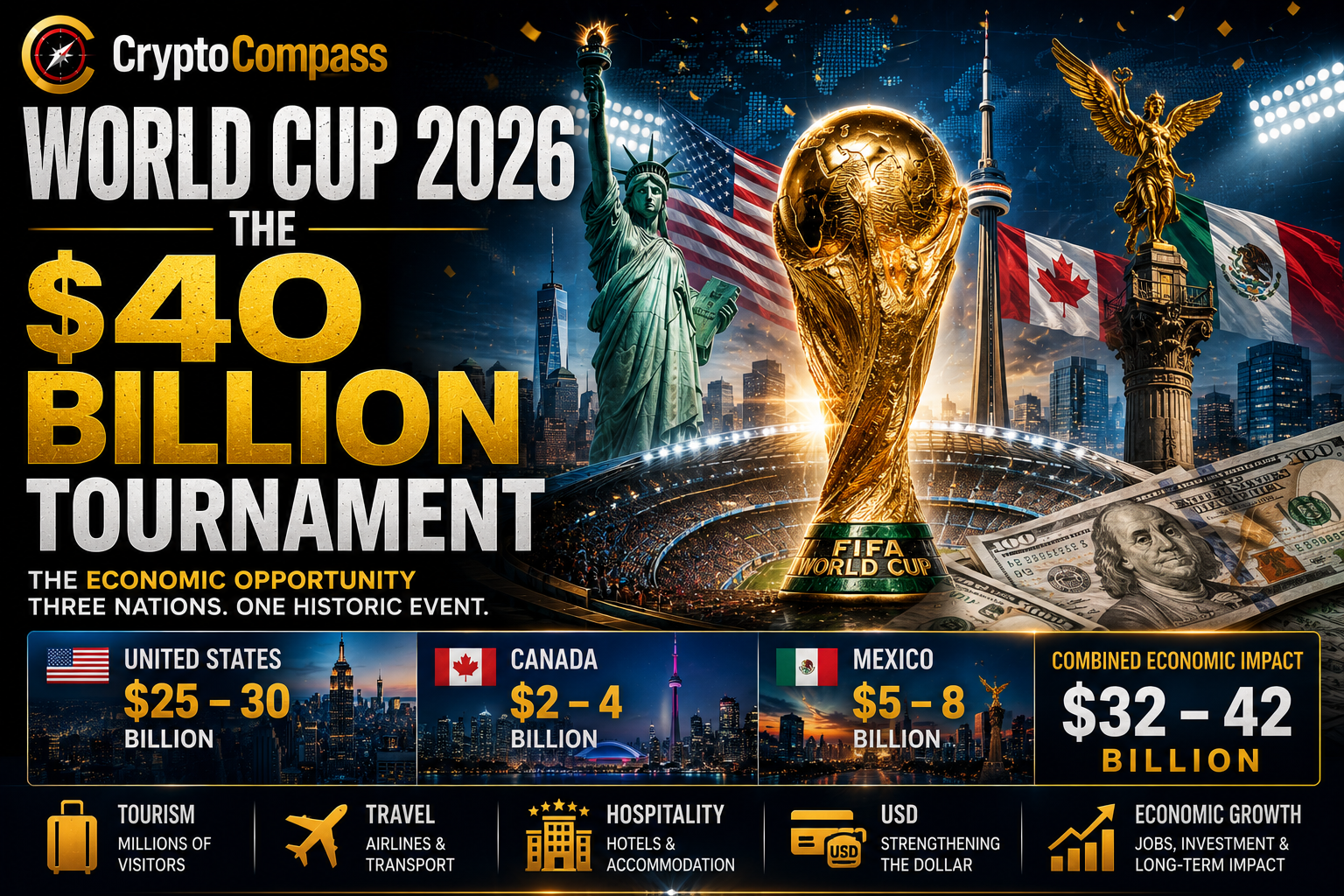
The United States Could Be the Biggest Winner
The United States will host the majority of matches, including the final.
Most economic forecasts suggest the U.S. could receive between:
$25–30 Billion
in direct and indirect economic activity.
This includes:
International tourism
Hotel occupancy
Transportation
Food and beverage spending
Sponsorships
Media rights
Local business activity
Major host cities such as:
New York
Los Angeles
Dallas
Miami
Atlanta
could each see billions of dollars in visitor spending.
For the U.S. economy, the World Cup is essentially a month-long global marketing campaign.
Canada's Opportunity
Canada's economy is significantly smaller than that of the United States.
However, World Cup exposure could still generate substantial benefits.
Economic estimates suggest Canada may receive:
$2–4 Billion
in additional economic activity.
Cities expected to benefit include:
Toronto
Vancouver
Tourism authorities hope the tournament will strengthen Canada's global tourism brand for years after the event concludes.
Mexico Could Experience the Largest Relative Impact
Mexico may not generate the highest dollar amount.
But it could see the greatest proportional benefit relative to its economy.
Analysts estimate:
$5–8 Billion
in economic activity.
Tourism remains one of Mexico's most important industries.
Millions of international visitors could flow through:
Mexico City
Guadalajara
Monterrey
The event also provides an opportunity to attract future foreign investment and business partnerships.
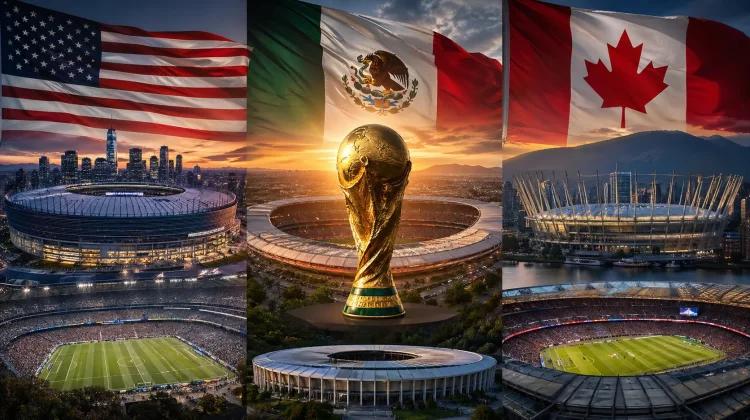
The United States will host the majority of World Cup 2026 matches, including the tournament final.
Why The Dollar Could Be a Hidden Winner
One overlooked aspect of major international events is currency demand.
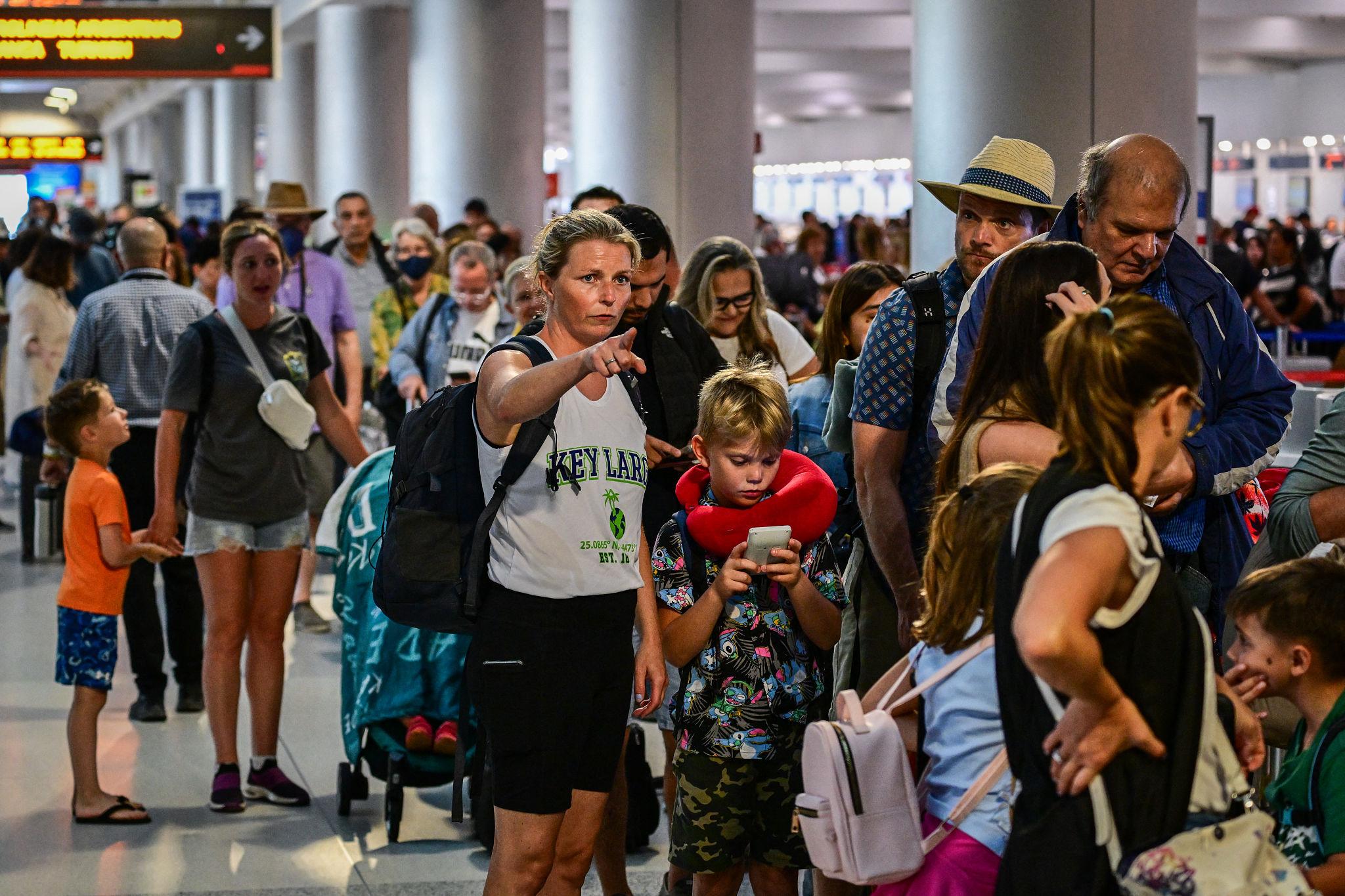
Millions of visitors arriving in North America will spend money on:
Hotels
Transportation
Food
Entertainment
Merchandise
Much of that spending will ultimately be settled in U.S. dollars.
The World Cup will not transform global currency markets.
But it will reinforce the dominance of the dollar in international tourism and commerce.
Even visitors attending matches in Canada and Mexico often transact through dollar-linked financial systems.
The Multiplier Effect
The true economic impact extends beyond ticket sales.
Every visitor creates secondary demand.
Hotels hire staff.
Restaurants increase inventory.
Transportation networks expand services.
Local governments collect tax revenue.
Businesses invest in upgrades.
Economists call this the multiplier effect.
And mega-events like the World Cup are among the clearest examples.
International tourism spending often creates ripple effects throughout local economies, benefiting multiple industries beyond sports.
That would make World Cup 2026 one of the most economically significant sporting events ever held.
What Investors Should Watch
The biggest beneficiaries may include:
Airlines
Hotels
Entertainment companies
Sports media firms
Consumer brands
Payment networks
The tournament could also provide valuable insights into post-pandemic global tourism trends.
Looking Ahead
World Cup 2026 is often discussed as a sporting event.
In reality, it is also a major economic event.
The tournament will move people.
People move money.
And money moves markets.
For investors, understanding these connections may be just as important as understanding who wins the trophy.
CryptoCompass View
The World Cup is not just about football.
It is about capital flows, tourism, infrastructure, and economic activity on a global scale.
While markets focus on interest rates and inflation, one of the largest economic events of 2026 may quietly generate tens of billions of dollars across North America.
Router Protocol is ceasing operations on September 30, 2026. If you hold ROUTE, or if you have moved funds through the Router app, you have just under three and a half weeks to sell or withdr
TLDR: WOO X users reported withdrawals stuck for up to 3 days as ZachXBT amplified complaints on September 6. One WOO X user reported a 3-day pending withdrawal, while another waited over 6 h
MENA on-chain volume has tripled to $350 billion since 2022. Turkey handles close to half the region’s total, while Saudi Arabia grows fastest at 154%. Gulf states run crypto as sovereign inf