World Liberty Launches Staking Pool With Massive USD1 Rewards
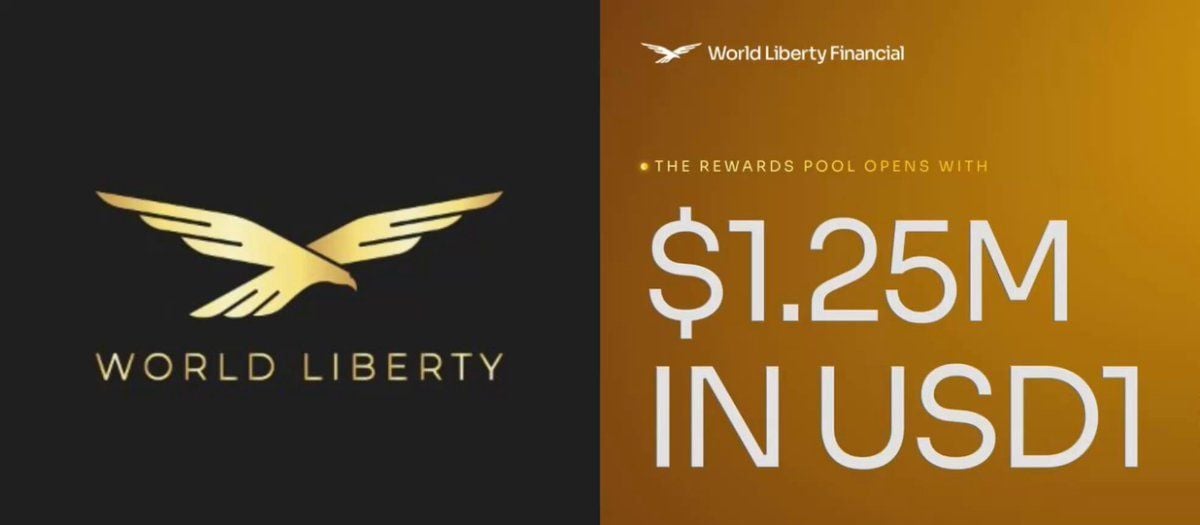
@worldlibertyfi has officially launched its on-chain governance staking program, anchored by a $1.25 million rewards pool denominated in its $USD1 stablecoin. The move marks the first concret
A
AnonymousCryptoCompass newsroom
October 1, 2026
2 min read
NEWS
CryptoCompass editorial visual for defi coverage.
@worldlibertyfi has officially launched its on-chain governance staking program, anchored by a $1.25 million rewards pool denominated in its $USD1 stablecoin. The move marks the first concrete step in the project's broader push to align voting power with long-term token commitment.
How the Staking Program Works
The first reward deposit is scheduled for October 2 between 8:00 and 9:00 AM ET, triggering a 180-day linear yield distribution. To qualify, participants must stake their unlocked $WLFI tokens in smart contract vaults for a minimum of 180 days. Stakers must also cast direct governance votes at least once every 90 days to remain eligible for rewards.
The 180-day lock removes staked tokens from active circulation for half a year, which can reduce the supply available to trade. The program also introduces a tiered structure for larger holders. "Nodes," defined as participants staking at least 10 million WLFI, gain access to over-the-counter USD1 conversion via licensed market makers at 1:1 parity.At the top tier, "Super Nodes" staking 50 million WLFI receive guaranteed access to the WLFI team for partnership discussions and potential economic incentives, subject to compliance and commercial review.
From Governance Vote to Live Product
The staking program traces back to a governance proposal published on September 14, which laid out what the project called a "Governance Engagement Incentive Program." The proposal drew strong community support and was approved by late September.
The motivation behind the program is partly financial: during USD1's recent expansion phase, market makers captured millions in arbitrage profits at roughly 15 basis points per minting and selling cycle. This proposal redirects that value from a small number of intermediaries to long-term ecosystem participants, while simultaneously creating structural demand for competing stablecoins.
According to the project, the design "ensures that voting power is held by participants with long-term alignment to the protocol who elect to participate in the governance consensus mechanism, not short-term holders or speculators."
VTB, blacklisted by the US Treasury in September over Iran sanctions, began selling bitcoin to qualified investors on 27 November under Russia's new rules. Read the full story on Altcoin Buz
Three Things to Know A new MoonPay guide shows US and European holders how to turn POL into cash, and search data hints many want out. Momentum is turning up even as POL trades under both of
Long associated with speculation on memecoins, Shiba Inu aims to build a digital economy capable of operating independently of market fluctuations. The migration of 448,907 cards from the Shi