BitcoinWorld WSJ: Polymarket Paid Creators to Stage Fake Betting Videos, Misleading Viewers Prediction market platform Polymarket has come under fire following a Wall Street Journal investiga
BitcoinWorld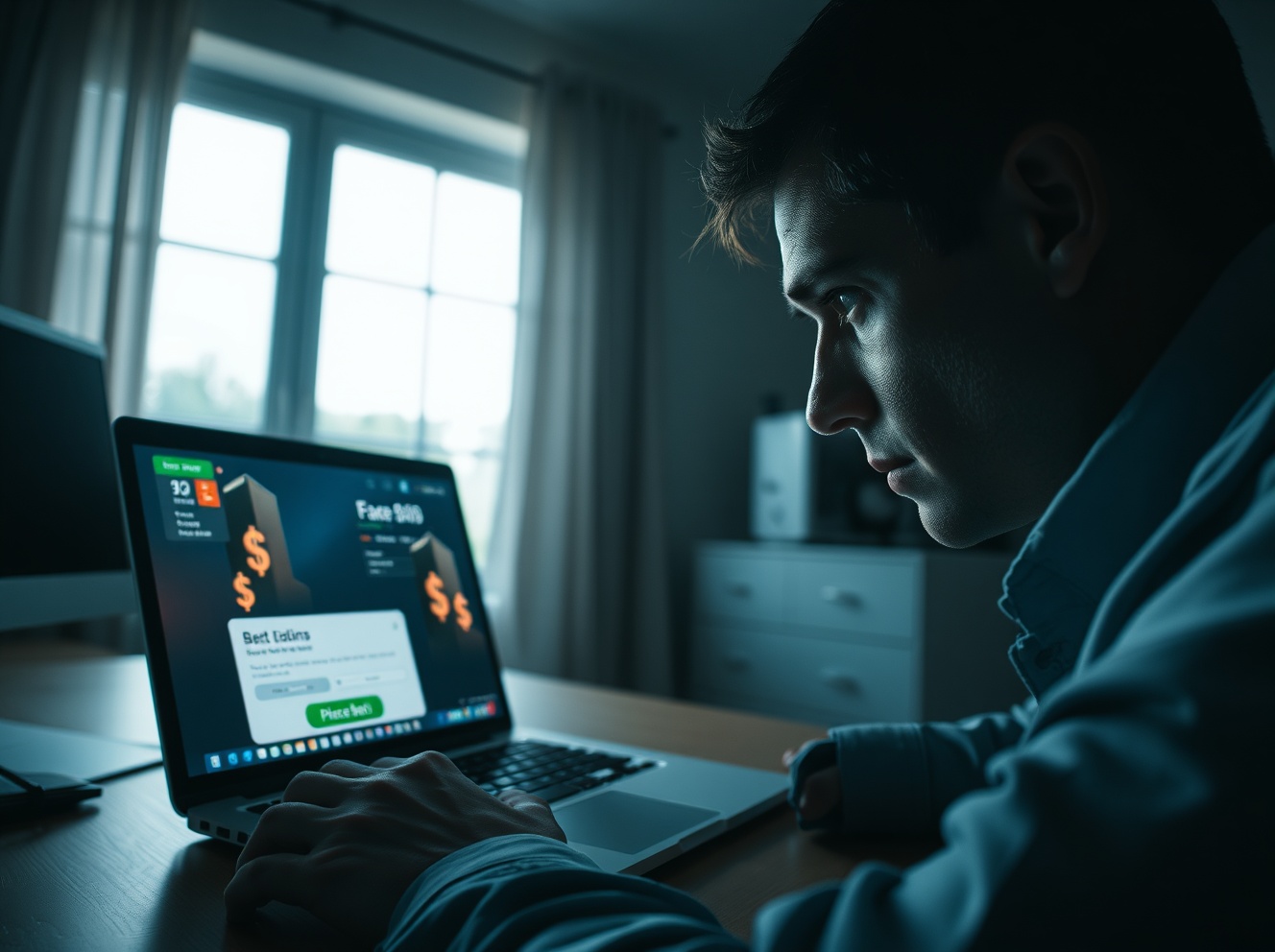 WSJ: Polymarket Paid Creators to Stage Fake Betting Videos, Misleading Viewers
Prediction market platform Polymarket has come under fire following a Wall Street Journal investigation revealing it paid dozens of content creators to film videos of themselves placing bets on a simulated version of its site. The report, published this week, alleges that the promotional campaign was designed to attract new users by showcasing fabricated winnings.
The Scope of the Deceptive Campaign
According to the WSJ’s analysis, approximately 50 content creators were compensated to produce videos featuring bets that never actually occurred. One creator posted a video claiming to have won $100,000 by betting that President Trump would say “McDonald’s” during an official appearance in a specific month. In reality, all accounts that placed the same wager on the actual Polymarket platform lost money. The WSJ estimates the promotional videos collectively depicted around $1.9 million in bets, none of which were real trades. The roughly $900,000 in “profits” portrayed by the creators would have actually resulted in a loss of over $166,000 if the bets had been placed for real.
Regulatory and Ethical Implications
Polymarket has been banned from operating in the United States since 2022 following a settlement with the Commodity Futures Trading Commission (CFTC) over offering unregistered binary options. Despite this ban, the creators were paid to encourage viewers to access the platform using a virtual private network (VPN), effectively circumventing U.S. regulations. This practice raises serious questions about the platform’s compliance with financial laws and its commitment to ethical marketing. The use of VPNs to bypass geographic restrictions is a common but legally gray area, and actively promoting it in paid advertisements could invite further regulatory scrutiny.
Why This Matters to Crypto and Betting Users
For users of prediction markets and crypto-based betting platforms, this report serves as a critical reminder to verify the authenticity of promotional content. The line between legitimate user-generated content and paid endorsements is often blurred, especially in the unregulated corners of the cryptocurrency world. The WSJ’s findings suggest that even seemingly authentic “winning” videos may be part of a coordinated marketing strategy, potentially misleading viewers into depositing real funds based on fabricated success stories. Polymarket’s announcement that it will conduct an audit of all its promotional content is a step toward accountability, but the incident has already damaged trust among potential users and regulators alike.
Conclusion
The WSJ’s investigation into Polymarket’s paid creator campaign highlights a troubling pattern of deceptive marketing within the crypto prediction market space. With the platform already barred from U.S. operations, these new allegations could lead to increased regulatory pressure and a loss of user confidence. As the audit proceeds, the broader industry will be watching closely to see how Polymarket addresses these credibility issues and whether similar practices are uncovered on other platforms.
FAQs
Q1: What exactly did Polymarket do wrong according to the WSJ report?The WSJ alleges that Polymarket paid content creators to film videos of themselves placing bets on a fake version of the site, showing fabricated winnings to attract new users. These bets were not real, and the portrayed profits would have been losses if placed on the actual platform.
Q2: Is Polymarket legal in the United States?No. Polymarket has been banned from operating in the U.S. since 2022 after settling with the CFTC over offering unregistered binary options. The promotional videos encouraged viewers to use VPNs to access the platform, which is a legally questionable practice.
Q3: What is Polymarket doing in response to these allegations?Polymarket has announced it will conduct an audit of all its promotional content to review its marketing practices and ensure compliance with its policies.
This post WSJ: Polymarket Paid Creators to Stage Fake Betting Videos, Misleading Viewers first appeared on BitcoinWorld.