BitcoinWorld WTI Crude Oil Plunges as US Reportedly Lifts Sanctions on Iran Oil Sales: WSJ West Texas Intermediate (WTI) crude oil prices experienced a sharp decline in early trading followin
BitcoinWorld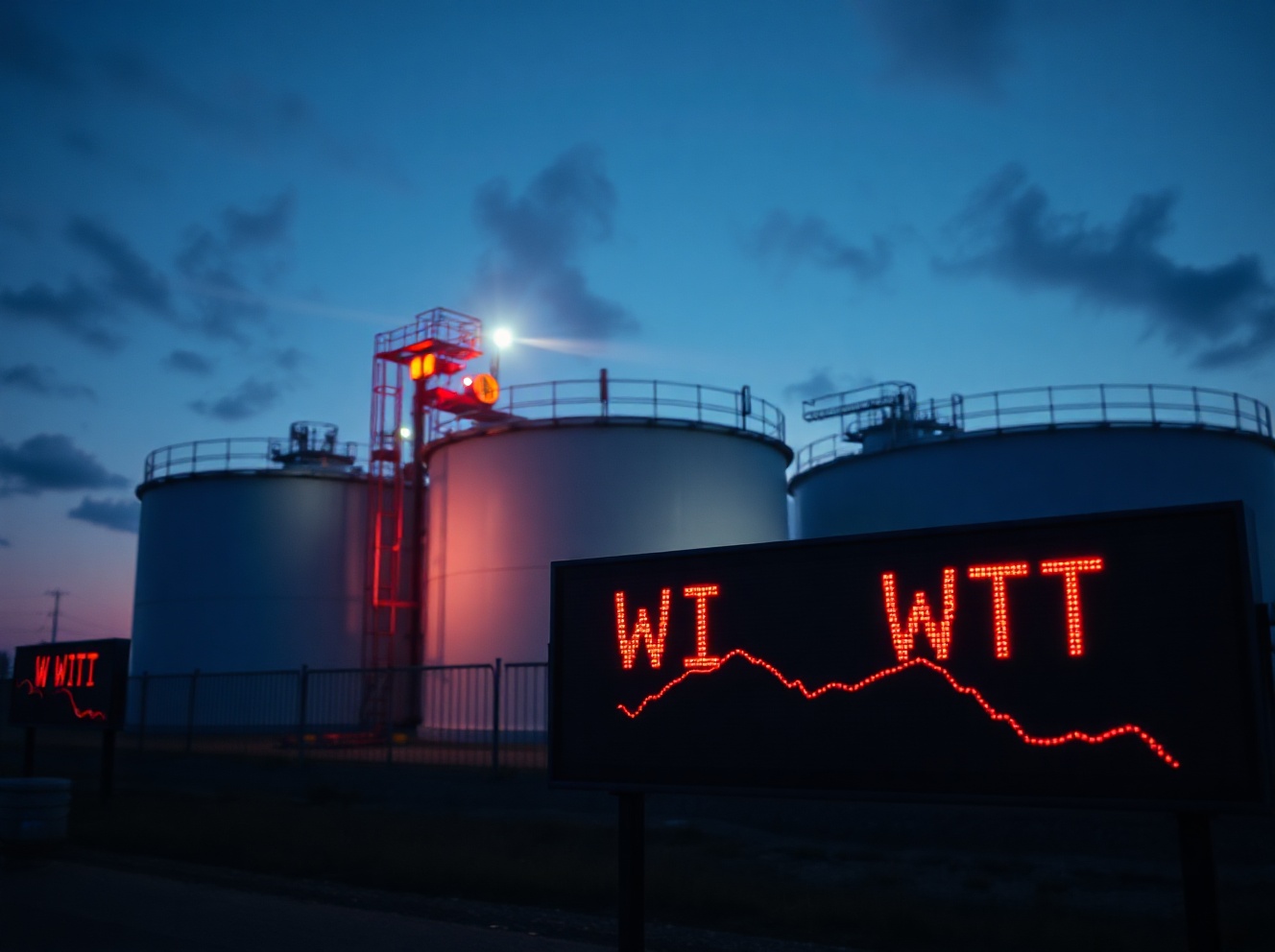 WTI Crude Oil Plunges as US Reportedly Lifts Sanctions on Iran Oil Sales: WSJ
West Texas Intermediate (WTI) crude oil prices experienced a sharp decline in early trading following a report from The Wall Street Journal indicating that the United States has lifted sanctions on Iranian oil sales. The move, which would effectively increase global oil supply, triggered a sell-off in the market as traders priced in the potential for additional barrels from one of OPEC’s largest producers.
According to the WSJ report, the decision to ease sanctions on Iran’s oil exports marks a significant shift in US energy policy. The news sent WTI futures down by more than 4% in intraday trading, with Brent crude also falling sharply. The sudden drop reflects market expectations that increased Iranian supply could further pressure prices already under strain from global demand concerns and elevated OPEC+ production levels.
Analysts note that Iran has the capacity to add roughly 1 to 1.5 million barrels per day to the global market relatively quickly, as much of its production infrastructure remains intact despite years of sanctions. The timing of the report also coincides with ongoing diplomatic efforts between Washington and Tehran, adding a layer of geopolitical complexity to the price action.
Broader Implications for the Oil Market
The potential resumption of Iranian oil exports comes at a delicate time for global energy markets. While supply increases could provide relief for consumers facing high fuel costs, they also risk destabilizing the production quotas agreed upon by OPEC+ nations. Saudi Arabia and other key producers may need to reassess their output strategies if Iranian barrels flood the market.
What This Means for Traders and Consumers
For traders, the immediate reaction has been a flight from long positions in crude futures, with volatility expected to remain elevated as more details emerge. For consumers, lower oil prices could translate into reduced gasoline and heating costs in the coming weeks, though the full impact depends on how quickly Iran can ramp up exports and whether other producers adjust their output.
The news also reignites debate over US energy independence and foreign policy priorities. Critics argue that lifting sanctions undermines pressure on Iran’s nuclear program, while supporters highlight the economic benefits of lower energy prices for American households and businesses.
Conclusion
The reported decision to lift sanctions on Iranian oil sales has already sent shockwaves through the crude market, with WTI prices posting their steepest single-day drop in months. As the situation develops, market participants will closely monitor official confirmation from Washington, Iran’s production response, and the reaction from OPEC+ allies. The story underscores the delicate balance between geopolitical strategy and global energy supply dynamics.
FAQs
Q1: Why did WTI crude oil prices drop after the Iran sanctions report?The WSJ report indicated the US had lifted sanctions on Iranian oil sales, which would increase global oil supply. Markets reacted by selling off crude futures, anticipating lower prices due to higher availability.
Q2: How much oil could Iran add to the global market?Analysts estimate Iran could add between 1 million and 1.5 million barrels per day relatively quickly, given its existing production capacity and storage infrastructure.
Q3: Will lower oil prices affect gasoline prices for consumers?Yes, lower crude oil prices typically lead to reduced gasoline and heating fuel costs, though the pass-through effect may take several weeks and depends on refinery margins and regional factors.
This post WTI Crude Oil Plunges as US Reportedly Lifts Sanctions on Iran Oil Sales: WSJ first appeared on BitcoinWorld.