CTO Emeritus David Schwartz said XRPL can replace compromised validators. Proposed Doomsday protocol moves operations through Tor and I2P. Community support and software updates remain centra
- CTO Emeritus David Schwartz said XRPL can replace compromised validators.
- Proposed Doomsday protocol moves operations through Tor and I2P.
- Community support and software updates remain central to survival.
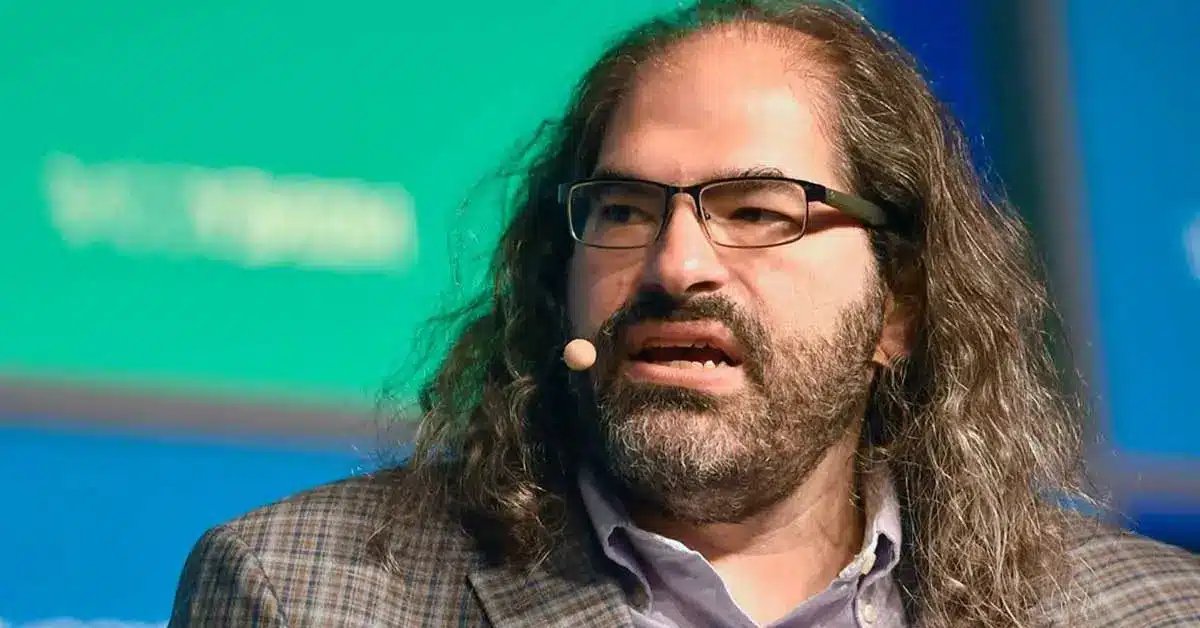
CTO Emeritus David Schwartz has revealed how XRP Ledger could continue operating if governments target validator operators and network infrastructure. According to Schwartz, the network can replace compromised validators, update vulnerable software, and even move critical functions into anonymous networks to maintain operations during severe disruptions.
Schwartz shared the details during a discussion about whether decentralized blockchains can survive direct intervention from authoritarian governments. He argued that intelligence agencies may cause temporary disruptions, yet they cannot maintain long-term control over a network designed to adapt.
The conversation focused on a scenario where authorities physically target validator operators. Participants questioned how XRPL would respond if governments seized servers or arrested individuals involved in maintaining the network.
According to Schwartz, XRPL already possesses mechanisms that help preserve operations during such events. Validators removed from service can be replaced through changes to the default Unique Node List. Consequently, the ledger can continue reaching consensus even when some participants become unavailable.
Moreover, Schwartz noted that software vulnerabilities do not represent permanent threats. Developers can identify weaknesses, release updates, and strengthen the network whenever attackers discover new ways to exploit it.
His comments emphasized adaptability rather than reliance on fixed infrastructure. That flexibility, he explained, allows decentralized networks to recover from disruptions and continue operating.
Also Read: Stellar Golden Cross Strengthens Bullish Outlook as XLM Open Interest Climbs
Schwartz Unveils “Doomsday” Plan for Extreme Conditions
As the discussion progressed, Schwartz described a more advanced contingency framework designed for extreme situations. The proposal, which he referred to as a “Doomsday” protocol, would alter how critical parts of the network operate during sustained attacks.
Under the framework, transaction-processing nodes would move behind privacy-focused networks such as Tor and I2P. Additionally, reserve validators would automatically replace active nodes if authorities disrupted or seized existing infrastructure.
Schwartz explained that this approach would reduce reliance on visible operators. As a result, efforts to dismantle the network through physical intervention would become significantly more difficult.
The plan also includes a lightweight governance layer responsible for managing validator membership. Unlike conventional structures, this layer would activate only when needed and communicate through anonymous channels.
Consequently, identifying individuals involved in validator coordination would become substantially harder. The structure aims to preserve network continuity while limiting exposure to targeted actions.
Community Support Remains Key to Long-Term Survival
Beyond the technical framework, Schwartz stressed that blockchain resilience depends on continued community involvement. He argued that decentralized networks survive because developers can modify their architecture whenever circumstances demand change.
To illustrate that point, Schwartz referenced Bitcoin. He suggested that if an unfixable flaw emerged within Proof-of-Work, the community would likely adopt another consensus mechanism rather than abandon the network.
Likewise, he believes XRPL can undergo significant technical changes while preserving its purpose. Furthermore, developers can continue refining the ledger as new challenges emerge.
His remarks add to ongoing discussions surrounding censorship resistance, validator security, and government interference across the digital asset industry. For XRPL participants, the comments offered a detailed look at how the network could respond under severe pressure.
Conclusion
Schwartz’s proposed contingency framework highlights XRPL’s emphasis on adaptability. He maintained that the network can replace compromised infrastructure, modify its architecture, and continue operating through major disruptions as long as developers remain committed to supporting the ledger.
Also Read: SEC Targets Texas Operator Behind Alleged $12.3M AI Crypto Fraud Scheme
The post XRP Ledger Can Go Underground if States Target Validators, Says Former Ripple CTO appeared first on 36Crypto.