Yuga Labs, the company behind the Bored Ape Yacht Club, helped rescue approximately $570,000 worth of NFTs after an exploit targeting the Floor Protocol, a fractionalization platform in the N
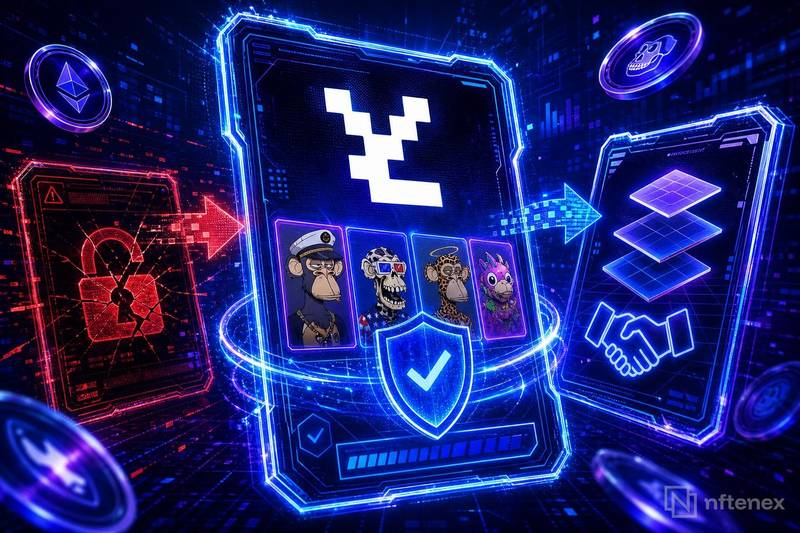
Yuga Labs, the company behind the Bored Ape Yacht Club, helped rescue approximately $570,000 worth of NFTs after an exploit targeting the Floor Protocol, a fractionalization platform in the NFT ecosystem.
How the Floor Protocol Exploit Put $570,000 in NFTs at Risk
Floor Protocol operates as a fractionalization layer that allows NFT holders to split high-value assets into smaller, tradable tokens. An exploit in the protocol's smart contracts put collector-owned NFTs at risk of being permanently displaced from their rightful owners.
Yuga Labs stepped in to help secure the affected assets, as Decrypt reported. The rescue covered NFTs valued at $570,000, though the full breakdown of which collections were affected has not been publicly detailed.
The exploit is distinct from ordinary marketplace volatility. A floor price decline means a holder's NFT is worth less, but a protocol exploit means a holder's NFT may no longer be theirs at all. This kind of infrastructure failure strikes at the core of digital ownership assurance.
Why Yuga Labs' Rescue Matters for NFT Ownership Infrastructure
Yuga Labs' involvement highlights how major NFT creators can become de facto responders when infrastructure failures threaten their ecosystems. The company's collections, including Bored Ape Yacht Club and Mutant Ape Yacht Club, represent some of the highest-value assets exposed through fractionalization protocols.
The incident underscores a structural tension: protocols designed to add liquidity to NFTs also introduce new attack surfaces. When collectors deposit assets into third-party smart contracts, they trade direct custody for protocol-dependent custody, a risk that extends well beyond any single collection or creator.
Cointelegraph noted that the rescue effort demonstrated both the vulnerability of NFT liquidity infrastructure and the capacity of ecosystem players to intervene. For collectors evaluating protocol risk, the incident is a concrete example of how custody design choices can determine whether assets survive an exploit.
The security landscape for NFT protocols remains an active concern. Platforms like SlowMist's hack tracker catalog a growing list of DeFi and NFT exploits, reinforcing the need for rigorous smart contract auditing before collectors entrust assets to any protocol.
What Collectors Should Watch After the Floor Protocol Incident
The most immediate question is whether the rescue was complete or partial. A full postmortem from Floor Protocol explaining the exploit vector, the total exposure, and the recovery process would be the clearest signal that the incident is resolved.
Collectors using any NFT fractionalization or staking protocol should monitor for contract upgrades, audit disclosures, and official guidance from affected platforms. Whether Floor Protocol publishes a detailed incident report will indicate how seriously the team treats transparency after the breach.
The exploit also arrives at a time when digital asset security and regulatory frameworks are receiving increased attention. Firms navigating crypto compliance, such as those watching how the UK FCA is proposing new access rules for crypto products, may view protocol-level failures as further evidence that infrastructure standards need to catch up with innovation.
Meanwhile, institutional interest in digital assets continues on a separate track. Companies like BitMine reporting billions in crypto asset holdings and major firms continuing to accumulate Bitcoin suggest that the broader market is growing even as protocol-level risks persist.
Yuga Labs' ability to intervene limited the damage from this exploit, but the incident exposed custody risks that no single rescue can permanently resolve. Collectors should treat the postmortem, when it arrives, as the next critical data point.
Disclaimer: This article is for informational purposes only and does not constitute financial or investment advice. Cryptocurrency and digital asset markets carry significant risk. Always do your own research before making decisions.
Read original article on nftenex.com