Zambia has commissioned its 100-megawatt (MW) Chisamba Phase II Solar Power Plant, projected to increase its electricity generation to 437MW by the end of the year. The project marks another
Zambia has commissioned its 100-megawatt (MW) Chisamba Phase II Solar Power Plant, projected to increase its electricity generation to 437MW by the end of the year. The project marks another step by the Zambian government toward reducing dependence on grid electricity and strengthening energy security.
Valued at $70 million, the latest development doubles the plant’s capacity from 100MW to 200MW. Although the second phase was initially projected to cost $100 million, the Chisamba Phase II Solar Power Plant now makes it Zambia’s largest single solar installation.
The project represents the Zambian government’s move to reduce load-shedding and comes a year after the commissioning of the project’s first phase in June 2025.

President Hakainde Hichilema of Zambia
Reacting to the launch in Central Province, President Hakainde Hichilema explained that the development signals the government’s intention to strengthen power infrastructure through strategic investment. He backed this ongoing policy reform to expand electricity generation nationwide.
“Every megawatt we add means more homes with the lights on, more businesses running at full capacity, and more jobs for our people,” he said.
“This plant is proof that our energy reforms are working. By opening up the sector, we have attracted serious private investment, and more plants like this are now being built across the country.”
President Hakainde added that Zambia is diversifying its energy generation by expanding hydroelectric, solar and thermal generation to reduce the impact of drought on electricity supply.
In addition, the Ministry of Energy said the Central Province is becoming an important energy hub, with projects expected to increase electricity generation to 437MW by the end of the year.
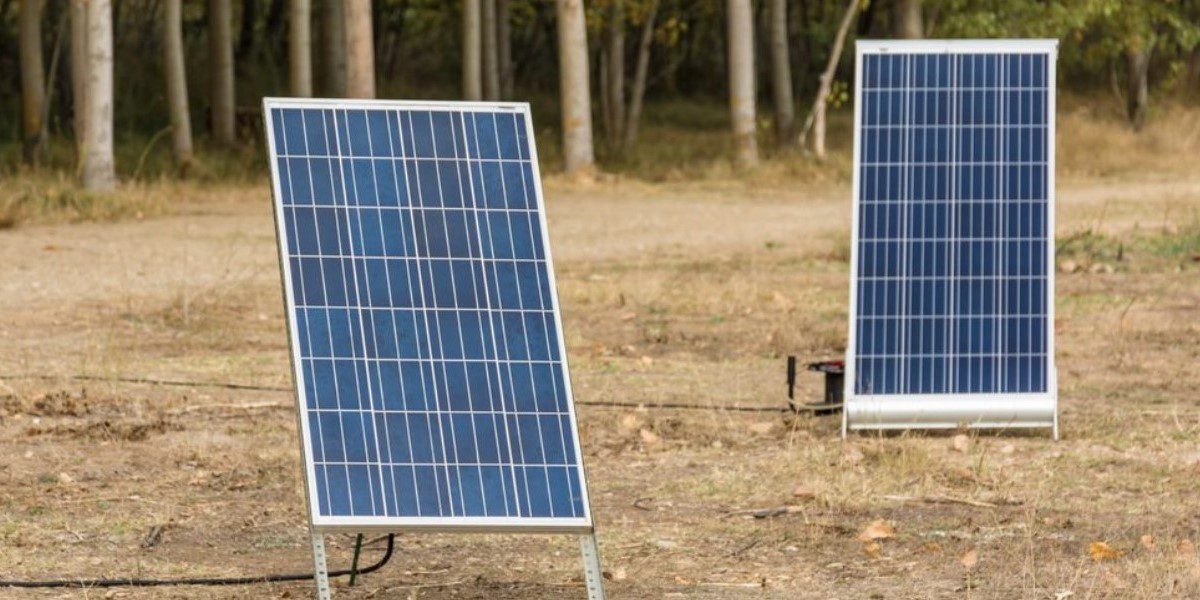
Solar Panel
For Zambia, the ambition of deploying 1,000MW of solar capacity by the end of the year forms part of a broader goal of reaching 10,000MW of installed electricity generation capacity by 2030. Also, government-owned utility ZESCO said the additional power is expected to be integrated into the national grid.
Also Read: WeLight plans $650 million solar mini-grid expansion in Nigeria and DRC.
Zambia’s solar project signals reawakening in Africa
The Chisamba Phase II Solar Power Plant signals a continued push to strengthen power generation in the country and Africa as a whole. The facility comes amid plans for two similar projects: Itimpi Solar Station, a 94-MW plant, and Chipata West Project, a 100-MW plant planned to supply the Eastern Province of the country.
With the projects, Zambians are getting an answer to a long-time power distribution crisis.
In a situation of persistent grid connection issues and power rationing, an estimated 83% of off-grid Zambian households utilise solar panels as an alternative source of electricity. Commercial businesses are also investing in rooftop installations to protect their operations from blackouts.
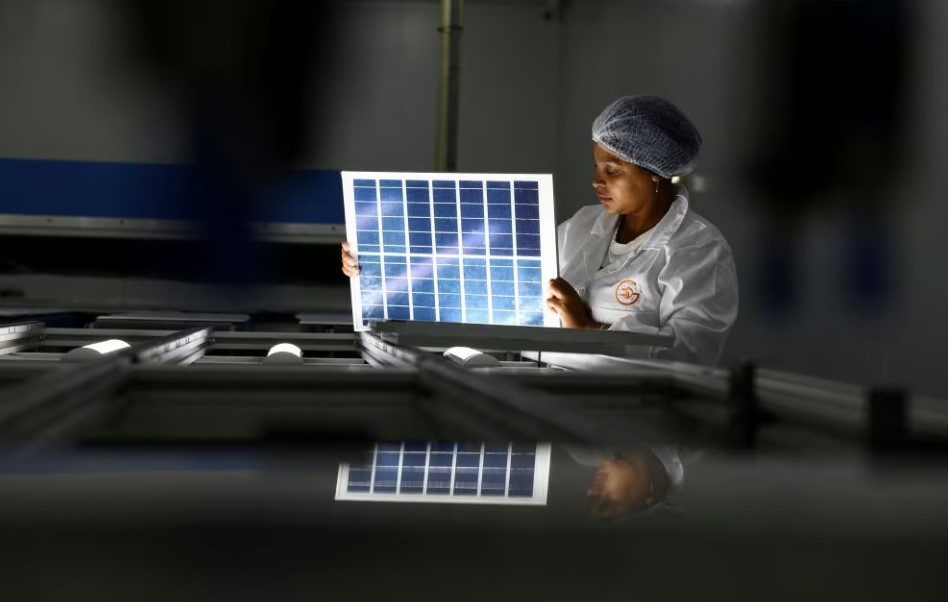
Beyond Zambia, Africa is also seeing rapid adoption of solar panels.
A report published in February by Global Solar Council (GSC) revealed that solar panel installations in Africa jumped 54% in 2025, marking the fastest annual growth on record. The growth was largely driven by governments and development agencies deploying utility-scale projects, and by households installing rooftop and commercial systems.
A reference to this can be found in Nigeria. Under the Aso Rock solar project, the government is planning to fully disconnect the Presidential Villa from the national grid and install a solar power system to eliminate an unsustainable ₦47 billion annual electricity bill.