The Zcash network appeared to go offline for several hours, alarming users and triggering outage reports across community channels. However, the network was not actually down, and the episode
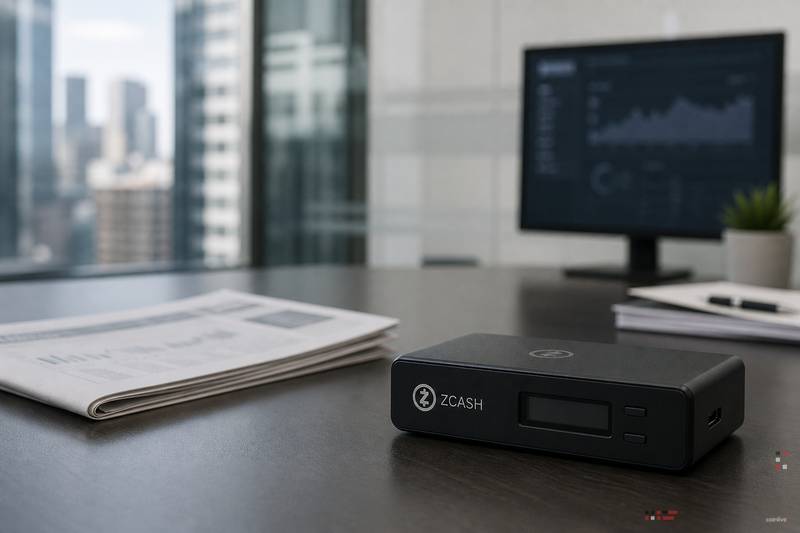
The Zcash network appeared to go offline for several hours, alarming users and triggering outage reports across community channels. However, the network was not actually down, and the episode highlights a recurring problem in how blockchain health is monitored and communicated.
Why Zcash Looked Offline
Users and third-party monitoring tools reported that the Zcash blockchain appeared unresponsive for a stretch of hours. Block explorers displayed stale data, and dashboards showed no new blocks being confirmed, creating the impression of a full network halt.
The apparent outage coincided with a period in which the Zcash Foundation released Zebra 4.4.0, a node update containing critical security fixes. Nodes running older versions may have fallen out of sync or stopped propagating blocks to certain peers, which could explain why external observers saw gaps in block production.
The result was a wave of social media posts and forum threads declaring Zcash "down," even as the underlying chain continued to function. Privacy-focused cryptocurrencies like Zcash and Monero have faced heightened scrutiny recently, making any perceived downtime especially likely to spread quickly.
Why the Network Was Not Actually Offline
A network appearing offline and a network being offline are fundamentally different. In this case, the chain itself did not halt. Nodes that had updated continued to produce and validate blocks, and peer-to-peer communication was not severed across the entire network.
The confusion likely stemmed from block explorers and monitoring services relying on nodes that had not yet applied the critical security patches outlined by the Zcash team. When those nodes stopped syncing, the tools built on top of them reported no activity, even though updated nodes were operating normally.
This distinction matters. A true chain halt would mean no blocks are produced and no transactions are possible anywhere on the network. What happened here was a visibility gap, not a consensus failure.
What This Means for Users
For anyone holding or transacting in Zcash, the immediate impact was uncertainty. Wallet users may have seen unconfirmed transactions or been unable to verify balances through their usual tools. As major payment networks expand into crypto infrastructure, reliability perception becomes increasingly important for digital asset adoption.
Traders watching dashboards could have interpreted the apparent outage as a fundamental problem, potentially influencing short-term selling decisions. The episode is a reminder that blockchain monitoring infrastructure is only as reliable as the nodes it queries.
When a critical node update rolls out and not all operators upgrade promptly, the resulting patchwork can make a functioning network look broken. Users evaluating whether a network is truly down should check multiple independent sources, including official project channels, before drawing conclusions. With new tokens listing on multiple exchanges regularly, the broader crypto ecosystem depends on accurate network status reporting.
Node operators running Zcash should ensure they are on the latest version to avoid contributing to similar visibility gaps in the future.
Disclaimer: This article is for informational purposes only and does not constitute financial or investment advice. Cryptocurrency and digital asset markets carry significant risk. Always do your own research before making decisions.
Read original article on coinlive.me