CryptoCompass editorial visual for altcoins coverage.
Ethereum: Smart contracts and proof-of-stake strengthen long-term growth potential.
Chainlink: Decentralized oracles connect blockchain networks with reliable real-world data.
Litecoin: Fast, low-cost transactions support steady adoption and long-term relevance.
Building long-term wealth often starts with choosing strong projects instead of chasing quick profits. Many cryptocurrencies promise big returns, but only a few continue delivering real value. Strong technology, growing adoption, and practical use cases usually separate lasting projects from short-lived trends. Ethereum, Chainlink, and Litecoin have earned trust over several market cycles. Each project offers unique strengths that could support future growth while helping investors understand blockchain technology better.
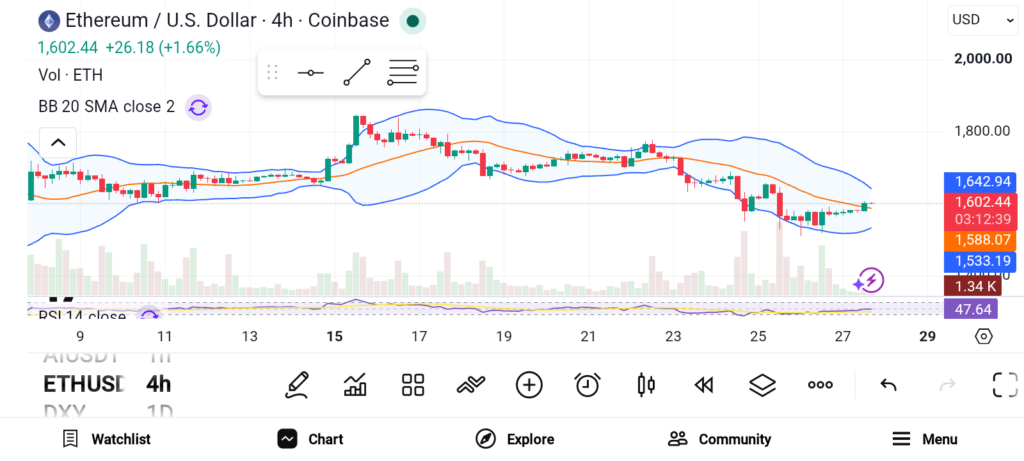
Ethereum (ETH)
Source: Trading View
Ethereum remains one of the strongest blockchain networks available today. Many developers choose Ethereum for decentralized applications and smart contracts. Those applications support gaming, finance, digital collectibles, and many other services. A major upgrade changed Ethereum from proof-of-work to proof-of-stake. That transition reduced energy use while improving network efficiency. Developers continue building new projects across Ethereum because strong infrastructure encourages innovation. Long-term investors often appreciate Ethereum because adoption continues expanding. More businesses and developers rely on blockchain technology every year. Growing demand could support future price appreciation as network activity increases. Ethereum also gives beginners valuable exposure to blockchain technology. Investors learn how smart contracts work while following one of crypto's largest ecosystems.
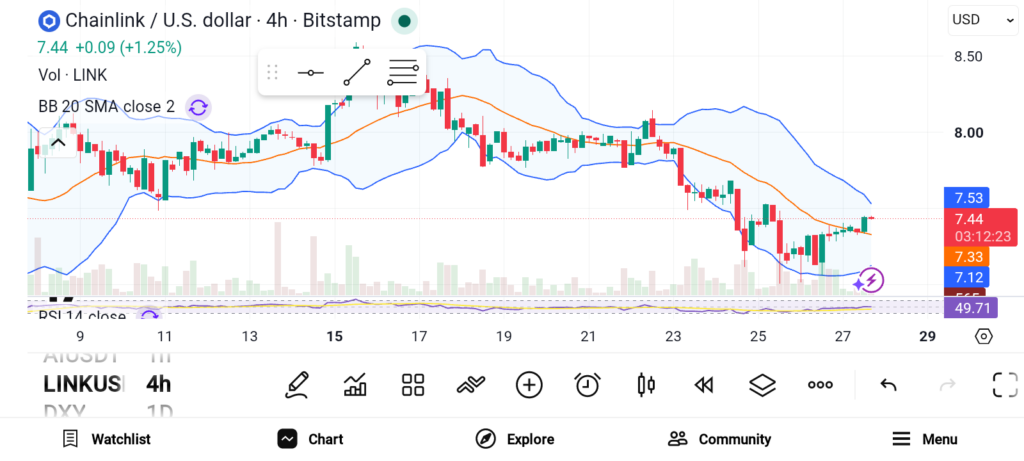
Chainlink (LINK)
Source: Trading View
Chainlink fills an important role across blockchain networks. Smart contracts often require outside information before completing transactions. Chainlink supplies trusted real-world data through decentralized oracle technology. Many industries depend on accurate external information. Financial platforms, insurance providers, gaming applications, and supply chain systems all benefit from reliable data feeds. Chainlink helps connect blockchain systems with those outside resources. That specialized role gives Chainlink a valuable position within decentralized finance. Demand could increase as more blockchain applications require secure data connections. Strong utility often supports long-term project growth. Investors also gain exposure to a unique corner of blockchain technology. Chainlink demonstrates how solving one important problem can create lasting value.
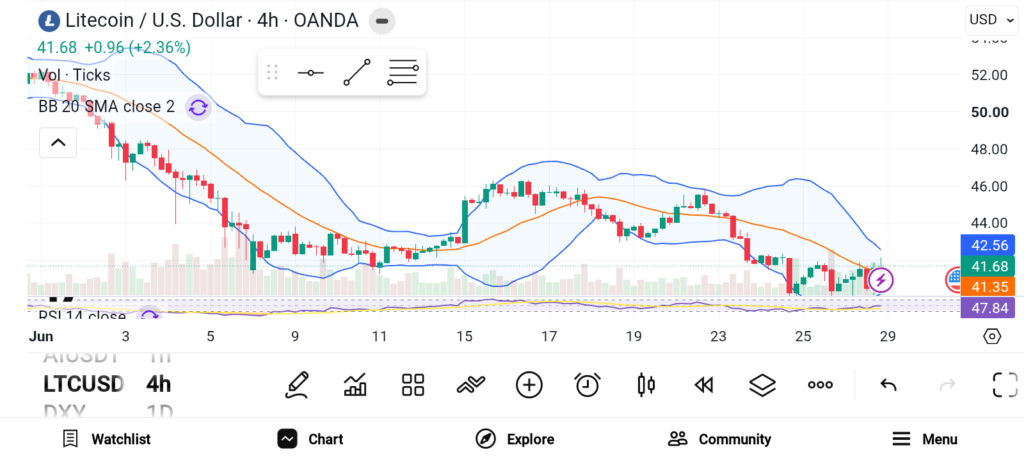
Litecoin (LTC)
Source: Trading View
Litecoin has remained among crypto's most recognized digital currencies for many years. Faster transaction speeds and lower costs help distinguish Litecoin from Bitcoin. Those advantages make everyday payments more practical. Market longevity also adds confidence for many investors. Litecoin survived several market cycles while maintaining strong community support. That history shows resilience during changing market conditions. Many newcomers appreciate Litecoin because price movements often appear steadier than smaller cryptocurrencies. Although volatility remains, established projects sometimes offer greater stability than newer alternatives. Litecoin also highlights the importance of efficiency within digital payments. Fast settlements and affordable transfers continue attracting users worldwide.
Ethereum, Chainlink, and Litecoin each offer different strengths. Ethereum leads smart contract development. Chainlink powers reliable blockchain data. Litecoin focuses on efficient digital payments. Together, those projects provide diversified exposure for investors seeking long-term cryptocurrency opportunities.
The post-quantum JavaScript-native Layer 1 is opening its most ambitious public test yet, with staking multipliers up to 10x, validator participation, dApps, quests and a live XP leaderboard
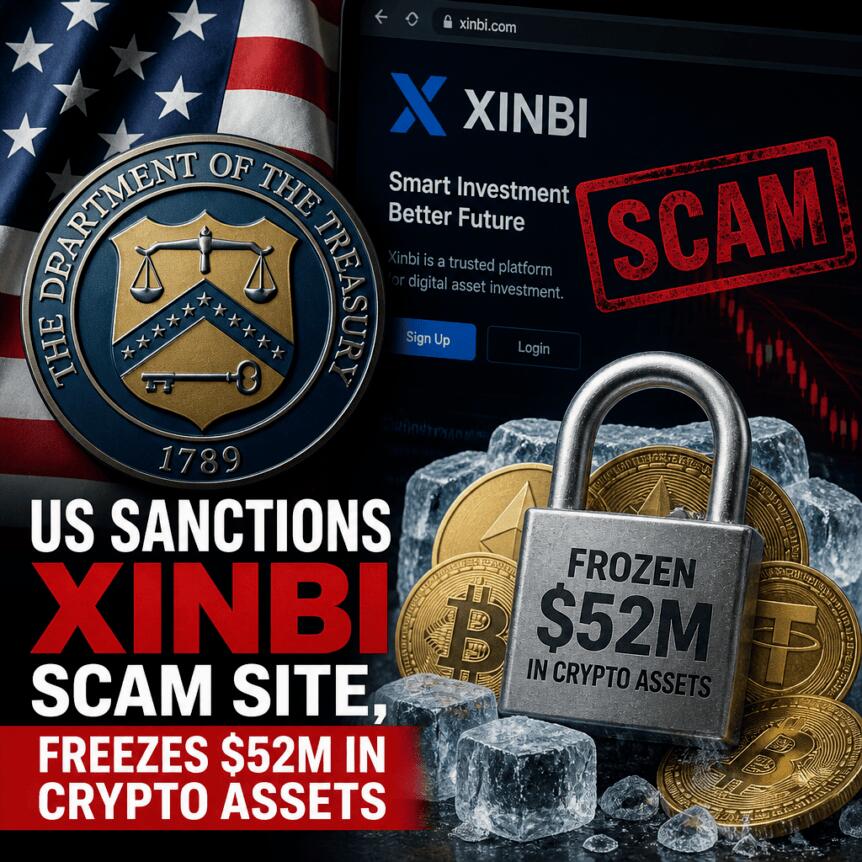
US authorities have moved to disrupt Xinbi Guarantee, a crypto-enabled scam marketplace, by seizing funds tied to the platform and sanctioning the organization and its technology providers. T
Fidelity Digital Assets renewed its institutional push for the Fidelity Digital Dollar on Sept. 9, positioning the Ethereum-based stablecoin for payments, settlement and tokenized markets. Su
 Source: Trading View
  Source: Trading View
 Source: Trading View